Last updated November 21, 2026
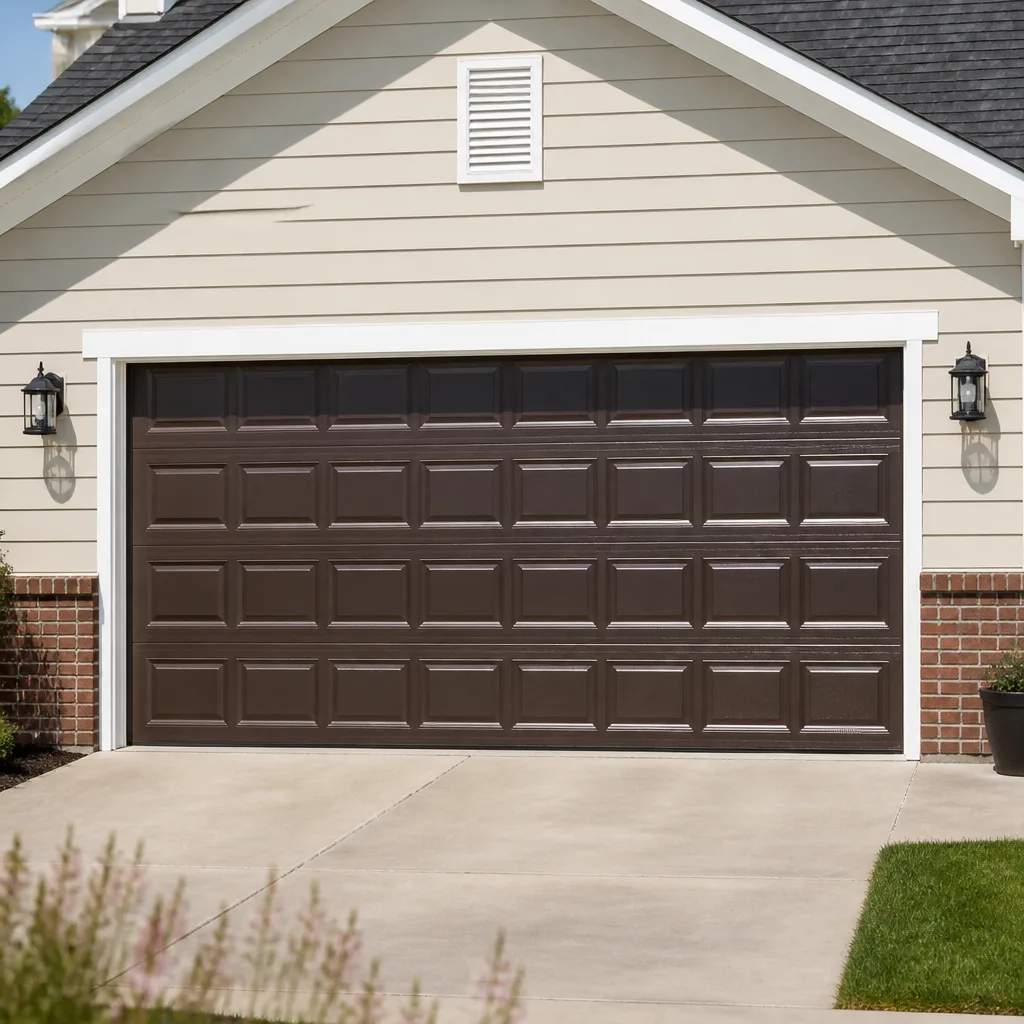 Raised-panel steel
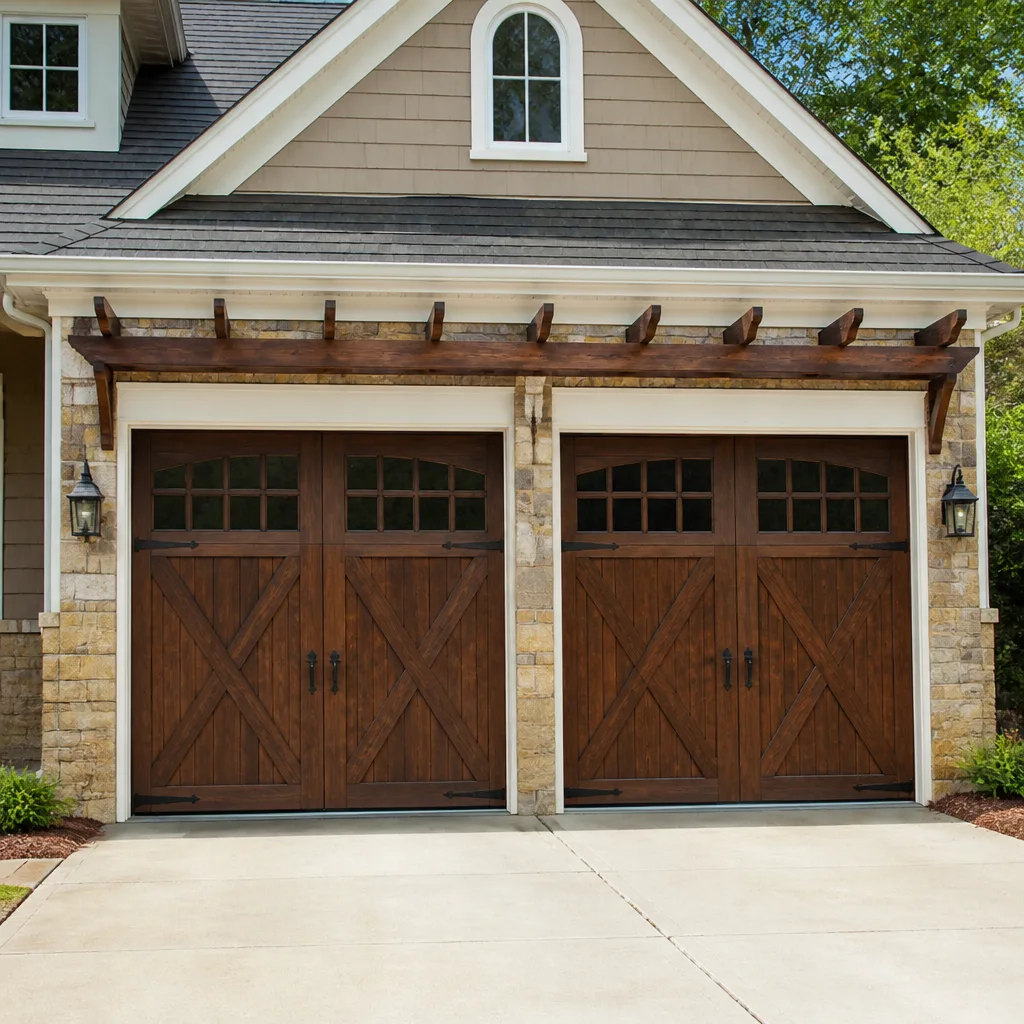 Carriage house
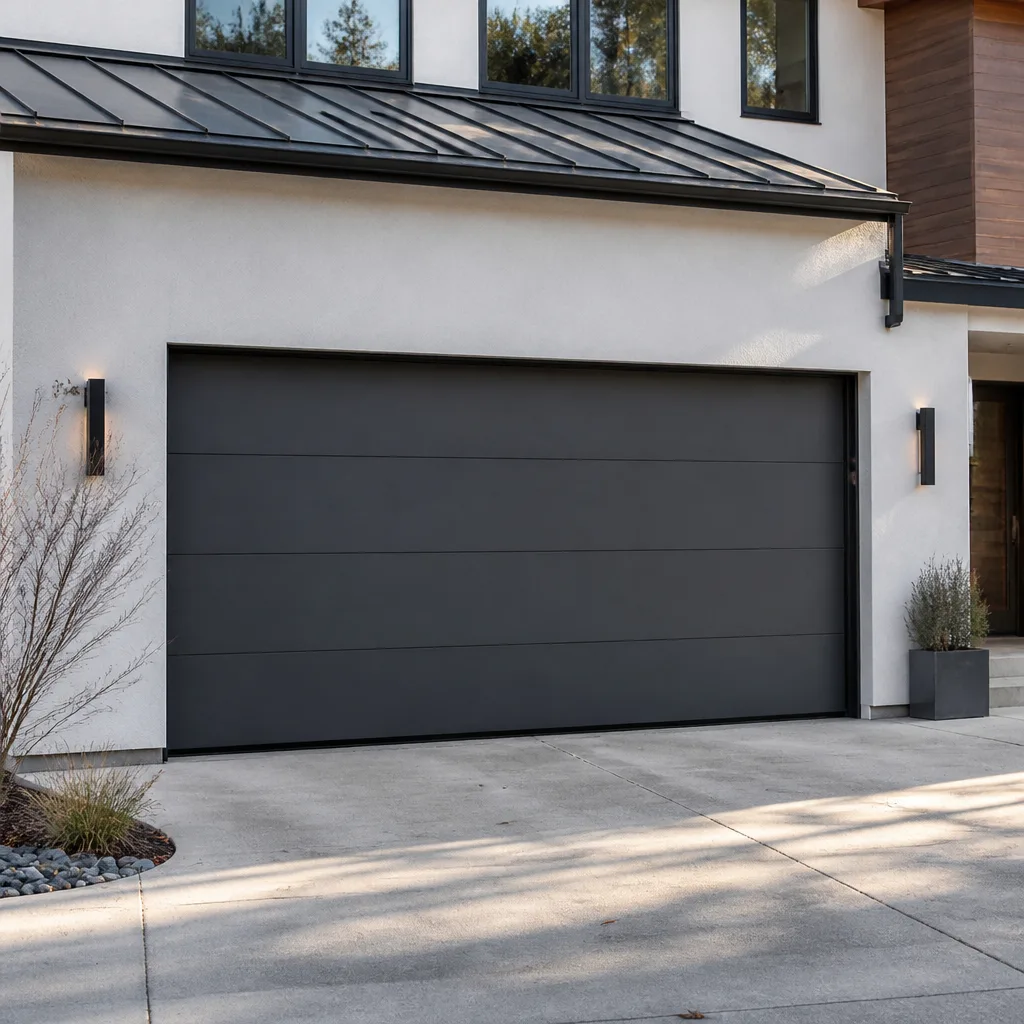 Modern flush
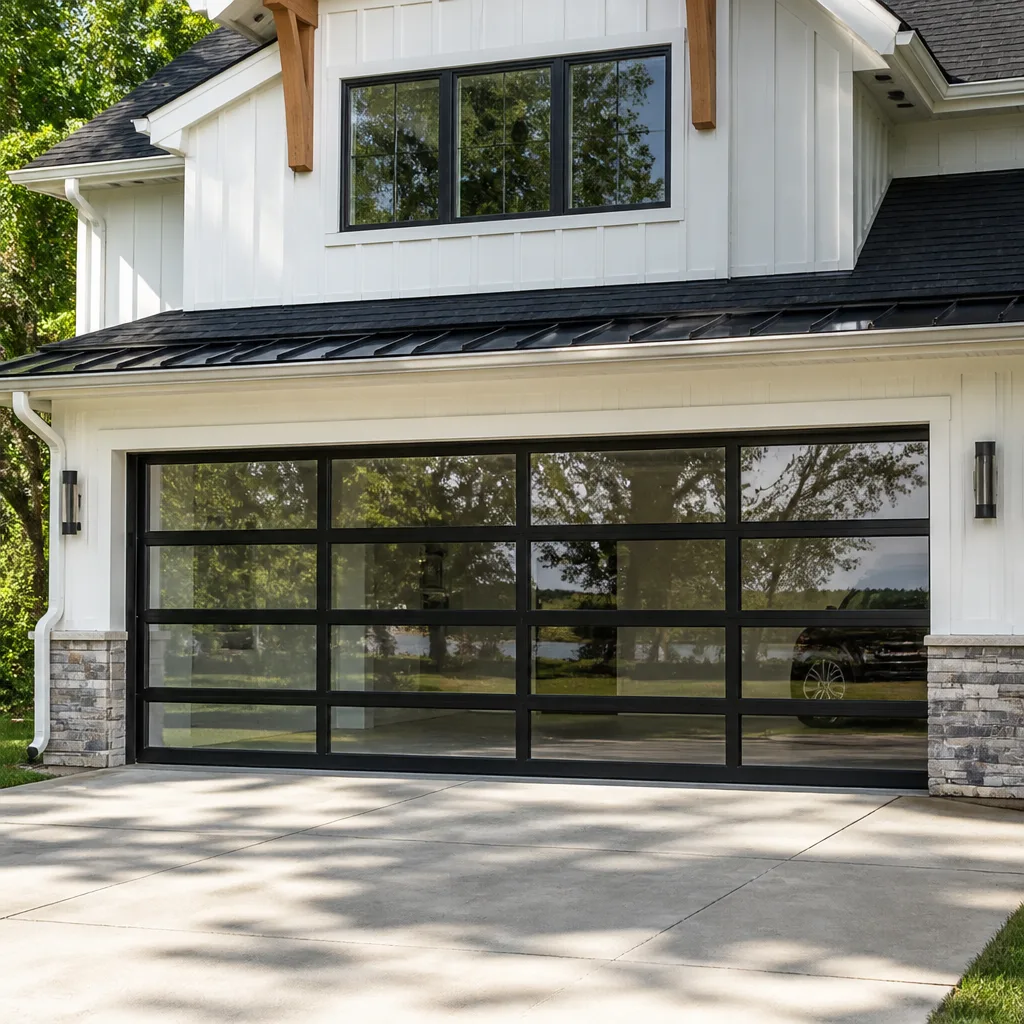 Full-view glass
 LiftMaster openers
 Chamberlain openers
Full 25-point door and opener safety check with every visit - springs, cables, rollers, tracks, and your LiftMaster or Chamberlain opener included
You get a price before we start. It does not change when the pro arrives.
Get your free estimateDIY vs Professional Garage Door: The Greenville Homeowner’s Decision Guide
Most garage door advice online treats every repair the same way, as if swapping a roller and winding a torsion spring carry the same risk. They don’t. A torsion spring stores enough energy to break a wrist or crush a hand in a fraction of a second, and no tutorial makes that risk acceptable for someone without the right tools and training. Other jobs on the same door are genuinely safe for a careful homeowner with a Saturday morning to spare. This guide draws that line task by task, so you know exactly where DIY stops being smart in a Greenville home.
Quick Answer
Safe DIY jobs on a garage door are limited to weatherstripping, lubrication, sensor alignment, and tightening visible bolts. Anything involving torsion springs, cables, and the lift mechanism under load should be handled by a trained technician, because those components hold stored energy that can injure you badly if released wrong. Everything in between – rollers, hinges, and some opener adjustments – sits in a cautious middle ground where the right tools and a clear understanding of the door’s balance matter.
Styles & brands we work with
- Raised-panel steel
- Carriage house
- Modern flush
- Full-view glass
- LiftMaster openers
- Chamberlain openers
Table of Contents
- Where DIY Stops Being Safe: The Stored-Energy Line
- Task-by-Task Safety Classification
- Why Winding Bars Matter and Improvised Tools Don’t
- New Jersey Homeowner Liability When DIY Goes Wrong
- The Honest DIY Cost Comparison
- Jobs Where DIY Is Genuinely the Smart Call
- How Greenville Weather and Homes Affect the Decision
- What a Professional Brings Beyond Muscle
Where DIY Stops Being Safe: The Stored-Energy Line
The single most useful way to think about garage door repair isn’t “how hard is it” but “what happens if this releases while I’m holding it.” A torsion spring on a standard sectional door stays under constant tension, and when you wind or unwind it you’re managing that tension directly with your hands and a bar. One slip and the bar whips around with the force of the spring behind it. That’s the dividing line. On the safe side are parts that carry no stored energy and can’t cause the door to fall. On the dangerous side are parts that do.
Here in Greenville, most of the housing stock is older, and a large share of two-car garage doors use torsion springs mounted on a shaft above the door. Extension springs, which stretch along the sides, are also common on older homes. Both store energy. Both can hurt you. The mechanism differs, the risk doesn’t.
We’ve seen homeowners treat a spring swap like changing a bike tire, and that’s the misconception worth correcting first. The door itself weighs well over a hundred pounds on a typical double-width door. The spring is what counterbalances that weight. When the spring is doing its job, the door feels light. When it fails or you remove it, the full weight suddenly transfers to you and to the other spring.
So the question isn’t whether you’re handy. Plenty of Greenville homeowners are. The question is whether the task involves a component under stored tension – and if it does, that’s where a trained technician belongs.
Task-by-Task Safety Classification
Here’s the practical breakdown we give homeowners who ask whether they should try a repair themselves. It splits every common garage door job into three tiers.
Safe to Do Yourself
- Weatherstripping replacement – the rubber or vinyl seal along the bottom and sides of the door. No stored energy. Minimal tools.
- Lubrication – applying a proper garage door lubricant to hinges, rollers, and the spring coils (if the manufacturer calls for it).
- Safety sensor alignment – the two small photo-eye sensors near the floor. If they’re bumped out of line and the door won’t close, re-aiming them is a screwdriver job.
- Tightening visible bolts and brackets – the ones you can reach with the door closed and the spring untouched.
- Cleaning and inspecting – wiping tracks, checking for frayed cables, worn rollers, or a door that’s gone out of balance. Inspection costs nothing.
Requires Caution and the Right Tools
- Roller replacement – doable on many doors, but you must secure the door so it can’t drop while you’re working.
- Hinge replacement – only the hinges you can reach safely with the door locked in position, never while the door is under partial tension.
- Opener remote and keypad programming – straightforward on most LiftMaster and Chamberlain units, though older Craftsman and Raynor systems can be fiddly.
- Track bolt tightening – not track bending. If a track is bent or out of plumb, that’s a pro job.
Do Not Attempt Without Professional Training
- Torsion spring replacement or adjustment – the highest-risk job on the door.
- Extension spring replacement – also under high tension, also dangerous.
- Cable replacement – the cables are under extreme tension and can cause severe injury if they snap free.
- Panel replacement on a door under spring load – the panels support each other; removing one can shift the load.
- Bottom bracket and drum work – the brackets and cable drums at the door’s base are among the most dangerous points on the whole assembly.
If your task lands in the third tier, that’s a call for garage door spring repair from a trained technician, not a DIY project.
Why Winding Bars Matter and Improvised Tools Don’t
When homeowners ask why they can’t just use a screwdriver or a piece of rebar to wind a torsion spring, the answer is about control. A proper winding bar is a solid steel rod made to fit the winding cone exactly, long enough to give you leverage and a full grip, and shaped so it can’t slip out under load. That last part matters most. An improvised tool that pops out of the cone while the spring is wound lets the spring release its energy instantly.
Here’s what a proper spring job actually requires:
- Correctly sized winding bars for the spring’s wire gauge and cone size.
- Clamps to lock the door in place so it can’t shift.
- Knowledge of how many quarter-turns the spring needs, based on the door’s weight and drum size.
- Two springs adjusted together, since a matched pair has to stay balanced.
- A balance check afterward – lifting the door by hand to confirm it holds position.
That’s a specialist toolkit and a specialist procedure. When we take on Greenville Garage Door Repair Pros work on a torsion system, the winding bars and clamps are the baseline, not an optional extra. Improvising any part of that setup trades your hands for a few saved dollars, and in our experience it’s the most common way a small job becomes a serious one.
New Jersey Homeowner Liability When DIY Goes Wrong
A garage door is one of the few parts of a home that can hurt someone other than the person repairing it. If a door falls because a DIY repair wasn’t done right, and it lands on a delivery driver, a neighbor, or a family member, you’re the one who owns the chain of events, not the manufacturer. Under New Jersey premises liability, a homeowner is generally responsible for keeping their property safe for people who come onto it. A door that drops on its own after a bad repair is a hazard you created.
There’s a second issue with the warranty. Most door and opener manufacturers, including Clopay, Amarr, and Wayne Dalton, condition their warranty on proper installation and service. A home-brewed spring swap can void the coverage on the assembly and leave you paying for parts a pro would have gotten covered. Some homeowner insurance policies also draw a distinction between damage caused by a sudden mechanical failure and damage caused by work you did yourself – worth a call to your agent before you pick up a wrench.
None of this means you shouldn’t touch your door. It means the dangerous tier is where liability and safety converge, and that’s a strong reason to keep those jobs with trained technicians. In our experience, Greenville homeowners are practical people who want the choice, not a blanket warning. This is the choice, stated plainly.
The Honest DIY Cost Comparison
The math homeowners usually run is parts versus labor. The real math includes the cost of tools, the time, and the chance you make the problem bigger. A DIY spring swap that goes wrong can turn a straightforward repair into a door replacement. Here’s how the two paths compare on common jobs.
| Job | DIY Reality | Typical Pro Estimate |
|---|---|---|
| Weatherstripping | Low parts cost, 30-60 minutes, no special risk | Low, and genuinely DIY-friendly |
| Lubrication | A can of lubricant, brief job | Usually folded into a repair visit |
| Sensor alignment | Free if the sensor just got bumped | Small repair charge if a sensor has failed |
| Single torsion spring | Winding bars, clamps, risk of injury, risk of voided warranty | Typical estimate for a single spring falls in the low-to-mid hundreds; a matched pair is usually replaced together and costs about twice that |
| Cable replacement | Specialty tools, high injury risk, not a homeowner job | Priced per job after inspection |
| Opener repair | Diagnosis often guesswork without brand experience | Quoted after the technician identifies the fault |
The honest conclusion: DIY saves real money on the safe tier, and loses money – or worse – on the dangerous tier. With springs, the cost of a winding bar set and the chance of a compounding failure eat most or all of the savings. For a stubborn opener, brand-specific knowledge often wins on the first visit. Our garage door opener repair work covers the smart-home systems, like LiftMaster and Chamberlain/myQ, alongside older Craftsman and Genie units, so diagnosis doesn’t come down to trial and error.
Every estimate we provide is written and agreed before any work starts. You’ll know the number before the technician touches the door.
Jobs Where DIY Is Genuinely the Smart Call
We’ll happily tell you which jobs to keep. Weatherstripping at the bottom of the door wears out in Greenville’s wet winters and needs replacing every few years. It’s a job you can do with a utility knife and a new seal kit. Lubrication is the single best thing you can do to extend the life of your hinges and rollers, and it takes ten minutes. Sensor alignment is a screwdriver job when the sensors have been knocked askew.
Numbered routine you can run yourself once a season:
- Look over the springs and cables for visible damage – do not touch, just look.
- Pull the manual release and lift the door halfway. If it holds there by hand, it’s balanced.
- Test the safety sensors by waving an object through the beam while the door closes.
- Lubricate hinges and rollers with a garage door specific product, not WD-40.
- Tighten any loose bolts you can reach with the door closed.
If step two shows the door won’t hold its position, or step one finds a frayed cable or a spring with a visible gap, that’s a sign, not a DIY challenge. Call for garage door repair and let a technician take it from there.
How Greenville Weather and Homes Affect the Decision
Greenville’s climate puts real stress on a garage door over the course of a year. Cold snaps tighten steel and put extra load on springs, then summer humidity rusts cables and stiffens hinges. The swing between the two seasons is the part homeowners underestimate. A spring that’s been slowly losing tension through the winter can snap in the first real cold morning while the door is opening.
The housing here also matters. Many Greenville homes sit on slabs with garages that take direct sun for part of the day, which expands and contracts the metal door and the tracks. Doors that get a lot of sun on one side can drift out of alignment over time, and that misalignment wears the rollers. Older homes often still carry original openers, and a Raynor or Craftsman unit from years past may need a different part than a modern system.
For seasonal jobs – weatherstripping, lubrication, sensor checks – keep it on your calendar twice a year, once before winter and once in late spring. For anything involving balance, springs, or cables, the local climate is a reason to check more often, not a reason to attempt the repair. Neighborhoods like Smithfield, Kensington, and the older streets near the Greenville waterfront see the full range of that seasonal wear. The right response is inspection on a schedule and a pro call the moment something fails. Two springs adjusted and matched by a trained technician is the standard for a reason: a single spring replacement on a door built for two will leave the door fighting itself.
What a Professional Brings Beyond Muscle
The difference between a trained technician and a determined homeowner isn’t strength, it’s diagnosis. A door that won’t close can be a sensor, a limit switch, a worn roller, a bent track, or a failing opener board. Guessing costs time and parts. A technician with brand experience narrows it down on the first visit.
That’s where the single-trade focus matters. We work on your brand – Craftsman, LiftMaster, Chamberlain, Raynor, and the rest of the major door and opener lines – which means we’ve seen the specific failure patterns those systems develop. Some openers use a different travel-limit setup than others. Some doors need a matched spring pair, not a single replacement. Getting that right the first time is the real value of professional service, beyond the safety piece.
Full-lifecycle coverage is the other practical benefit. The same company that replaces a spring also handles garage door installation when the door has reached the end of its life. No calling around to find a second contractor, no finger-pointing if a repair doesn’t sit well with the new door. In our experience, homeowners value that continuity more than they expect.
Our technicians have up to 11 years of experience. Emergency service is available for doors that fail at the worst possible moment – a spring that snaps as you’re backing out, a door stuck open in the rain. Call (855) 706-3964 and we’ll book the work out.
Common Mistakes to Avoid
- Using WD-40 on the tracks and hinges. It attracts dust and gums up over time. Use a garage door specific lubricant instead.
- Replacing one spring when the door has two. A matched pair should be replaced together, or the door fights itself and the new spring wears fast. This is one of the most common mistakes we see in Greenville.
- Disconnecting the opener to “test” the door without locking it. A door held by the opener alone can drop if the spring has failed. Always secure it first.
- Forcing the door by hand when it’s stuck. That much force can bend a track or snap a cable. Stop and diagnose instead.
- Ignoring a frayed cable or a spring with a visible gap. Both are signs the door is close to a failure. Look, don’t touch, and call for help.
- Letting a small track misalignment go. It wears rollers unevenly and leads to a bigger repair. Fixing it early is the cheaper path.
- Assuming a brand-new opener will fix a door problem. If the door is out of balance, a new opener just works harder and fails sooner. Fix the door first.
See the difference
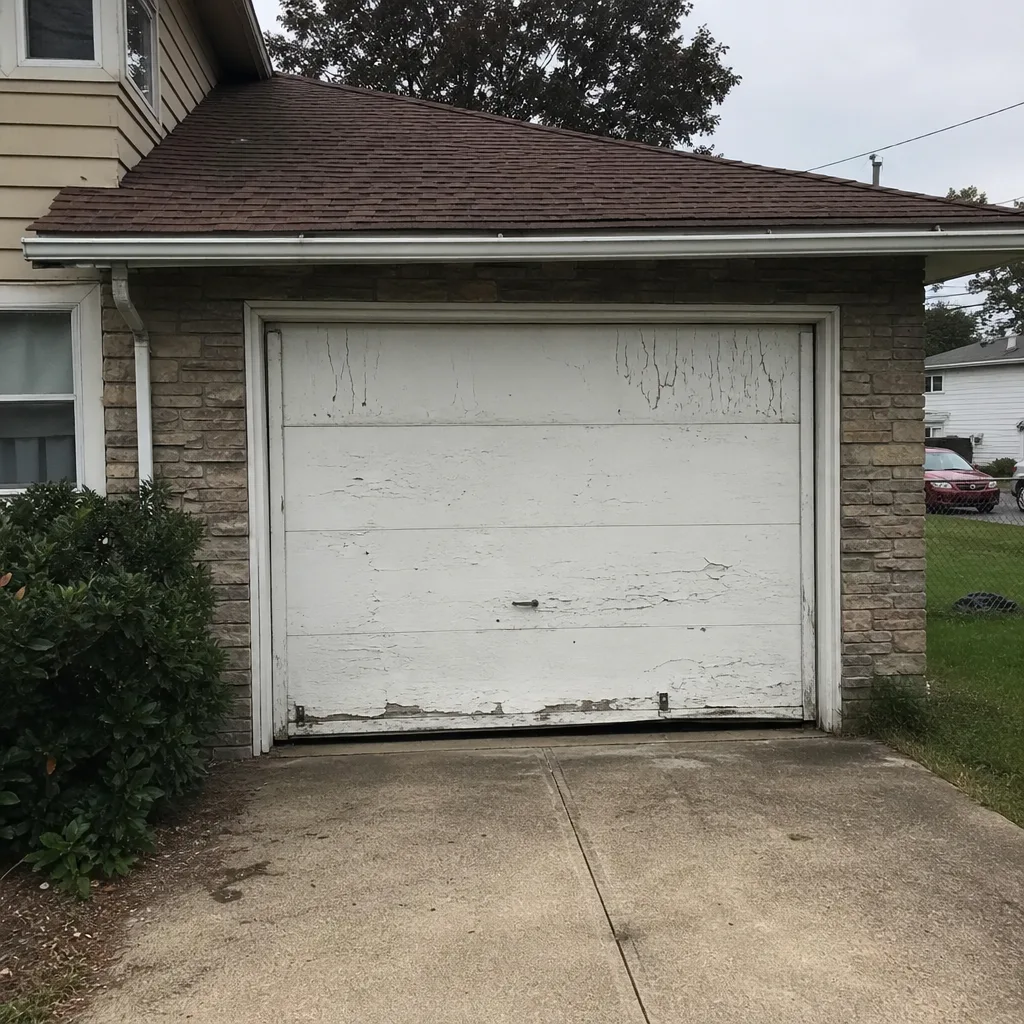 Before
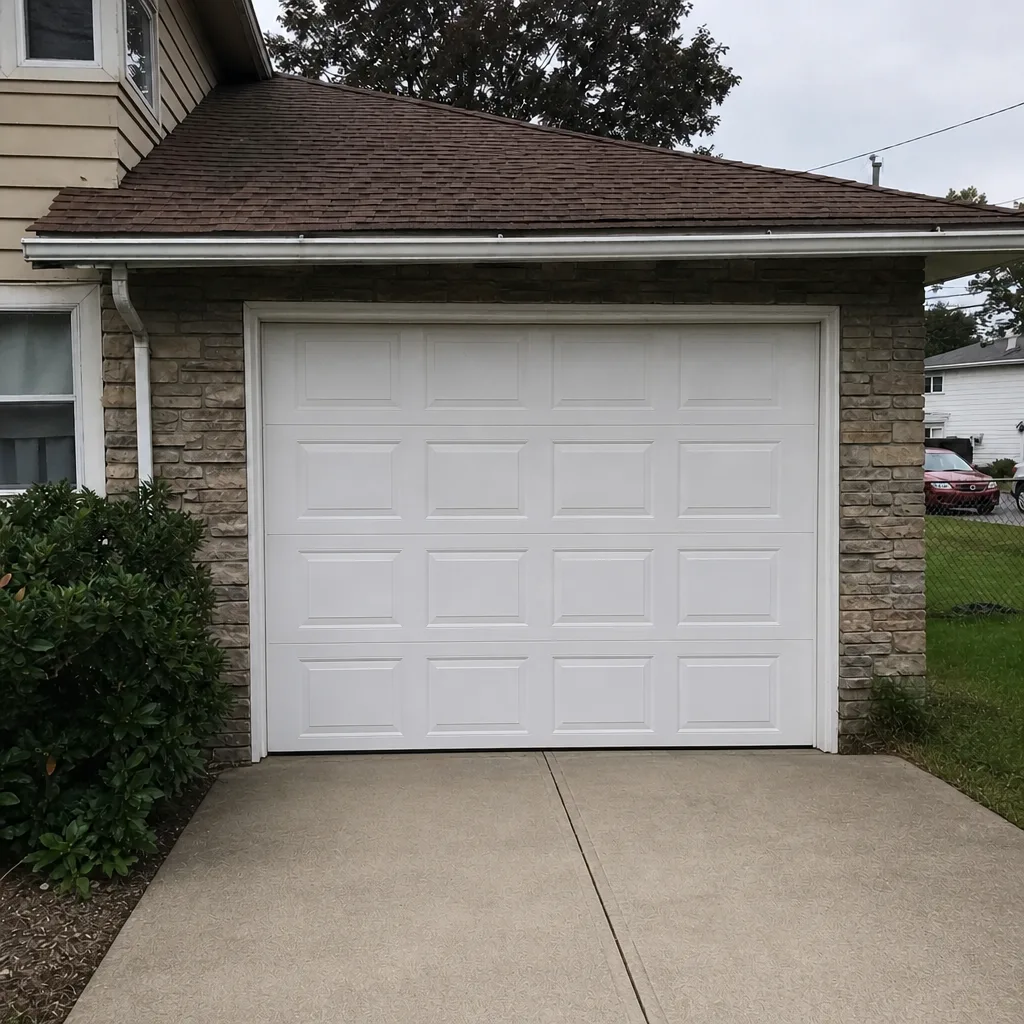 After
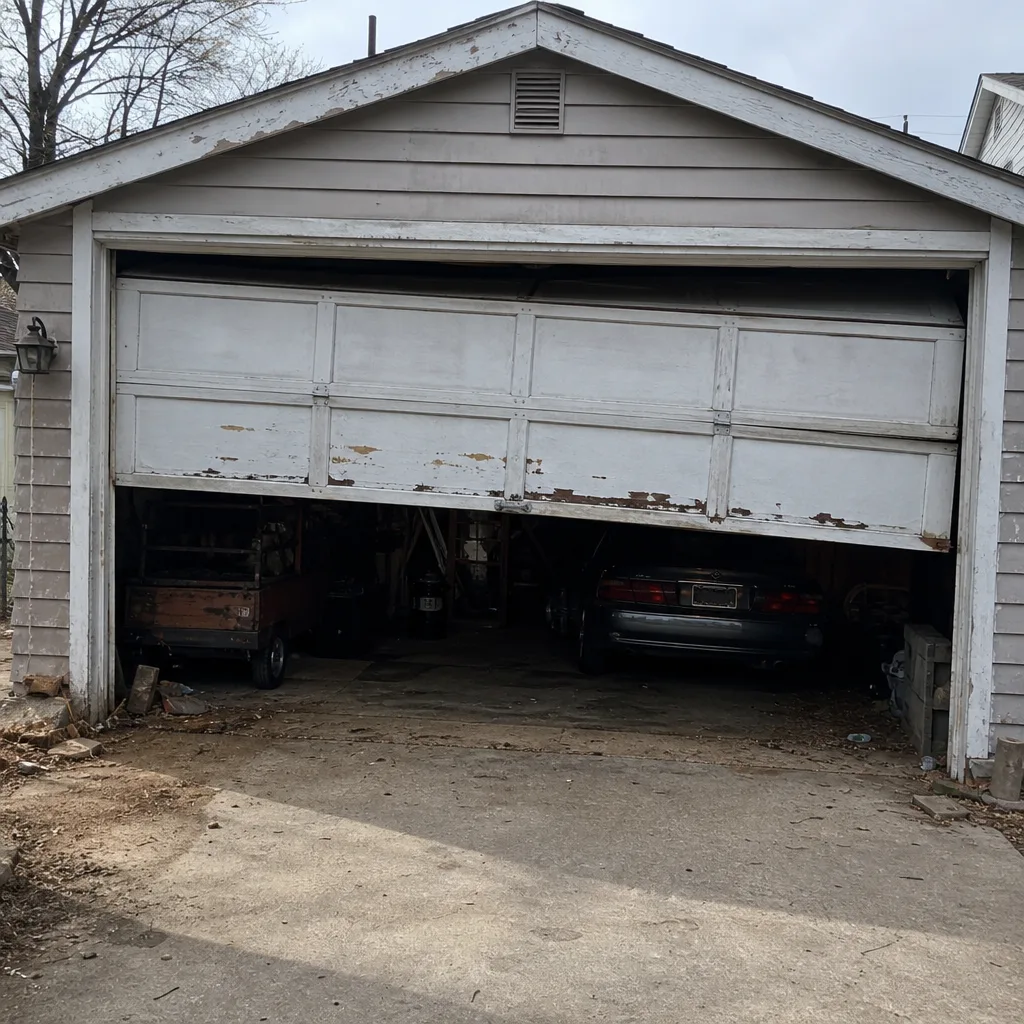 Before
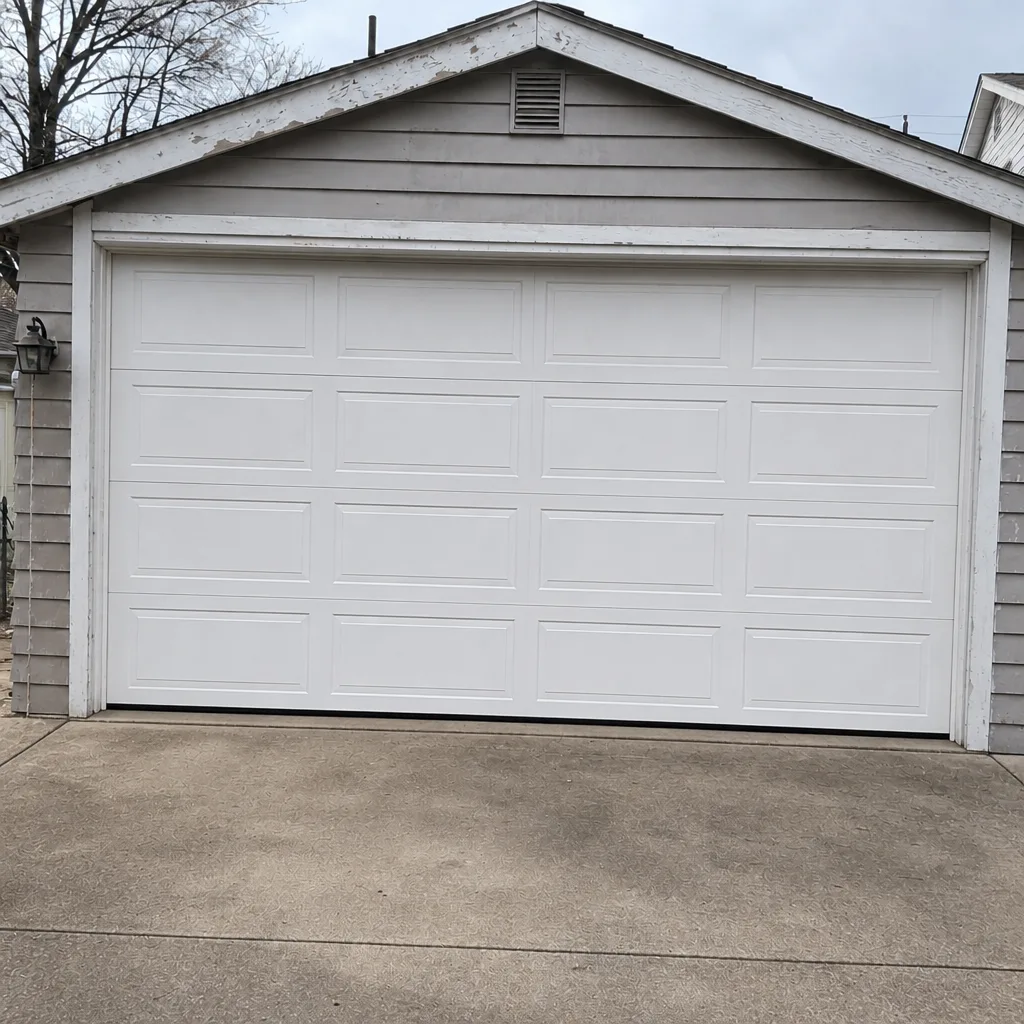 After
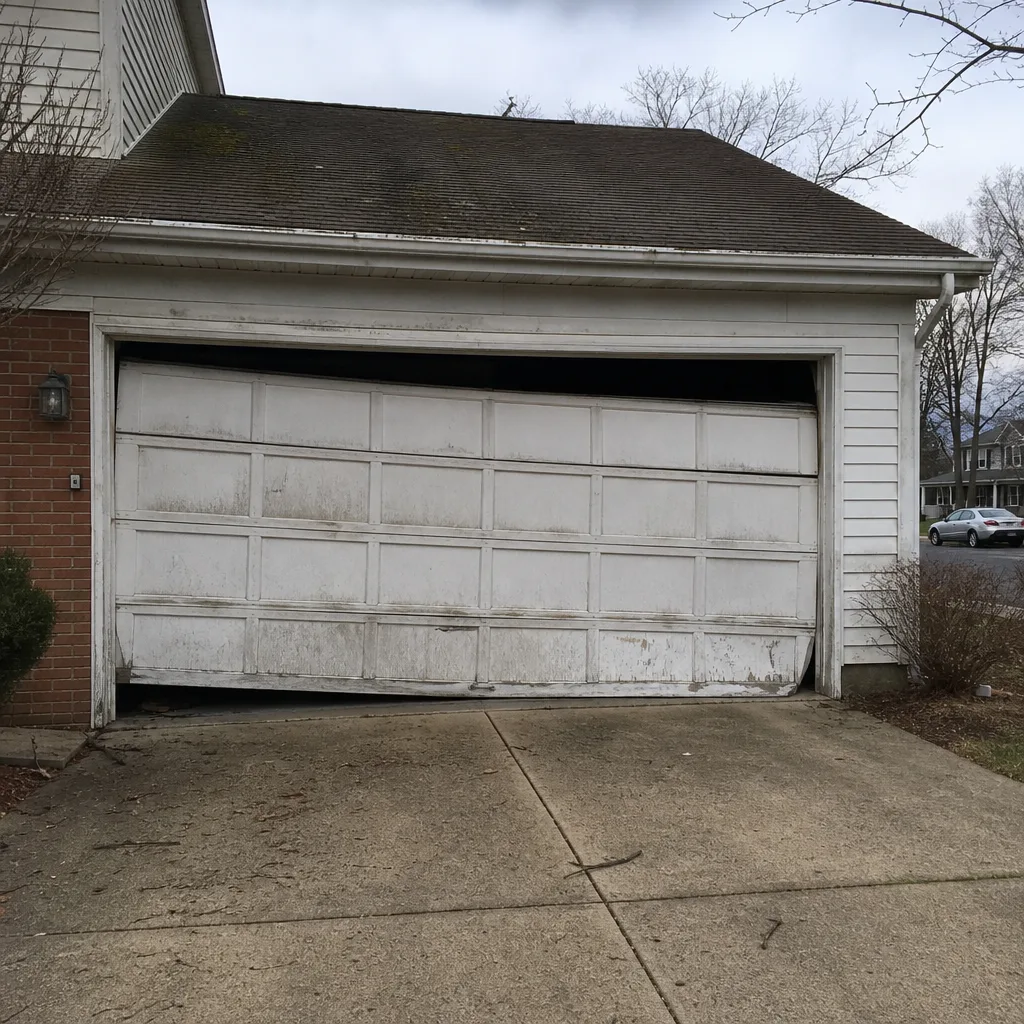 Before
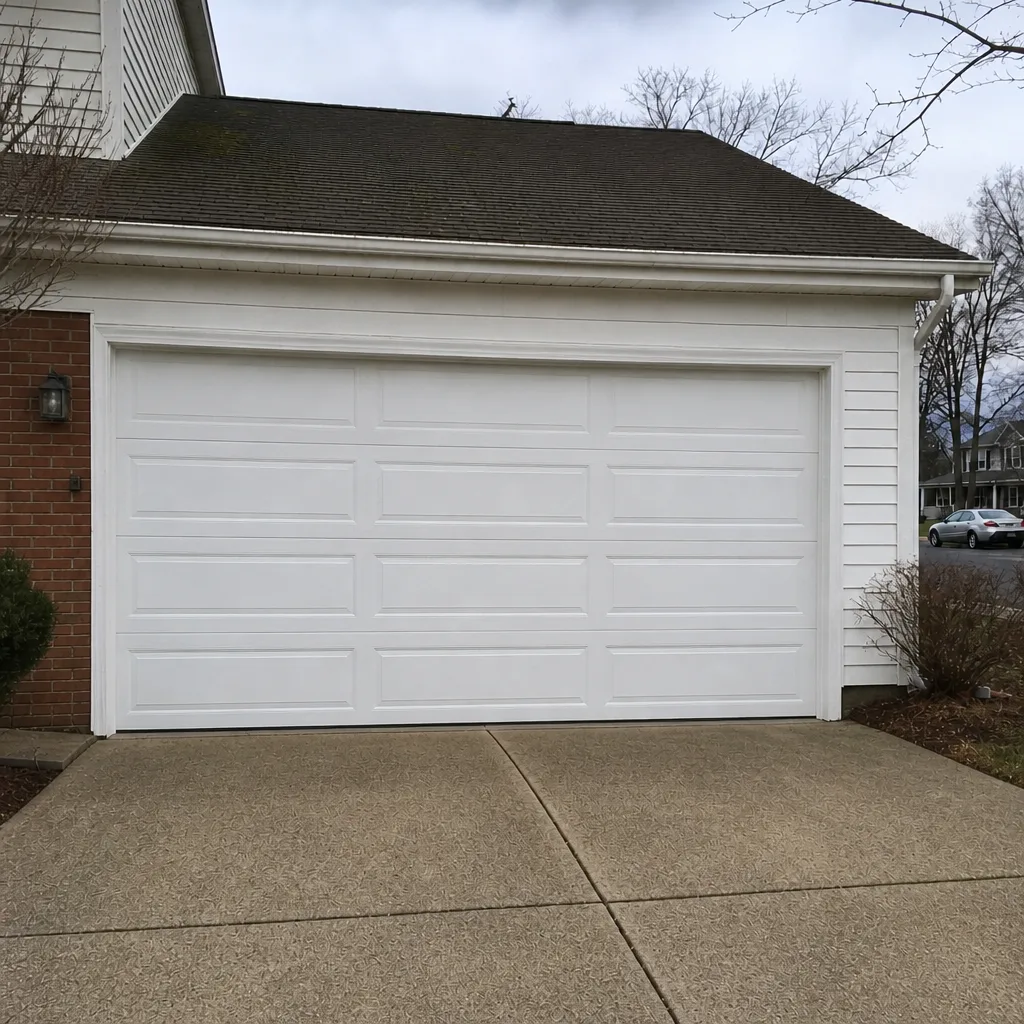 After
When to Call a Professional
Call a professional the moment the job involves a spring, a cable, or a door that’s lost its balance. Call when the door won’t close and the sensors aren’t the problem. Call when you hear a loud snap, when a cable is frayed, or when a spring shows a visible gap. Call when the door goes up crooked, when the opener runs but the door doesn’t move, or when you’ve tried the safe DIY fixes and nothing changed. And call when the door is old enough that a full replacement starts making more sense than another repair – the same team can handle both. Greenville Garage Door Repair Pros offers free estimates in Greenville – call (855) 706-3964 to get on the schedule.
Frequently Asked Questions
No. Torsion and extension springs both hold stored energy that can release instantly and cause serious injury, so spring replacement should be handled by a trained technician. If a spring has snapped or the door won’t lift, stop using it and call (855) 706-3964 for an estimate.
Weatherstripping replacement, lubrication, safety sensor alignment, tightening visible bolts, and visual inspections are all safe DIY jobs. Anything involving springs, cables, the bottom brackets, or a door that’s gone out of balance should go to a professional. Call for an exact quote if you’re unsure which category your job falls into, estimates are free.
Spring repair is quoted per job after inspection, with a single spring typically in the low-to-mid hundreds and a matched pair costing about twice that since both are usually replaced together. The written estimate sets the final price, agreed before work starts. Call (855) 706-3964 for an exact quote.
We offer dedicated emergency service for doors that are stuck or unsafe, and urgent same-day situations are a core part of what we do. Call (855) 706-3964 and we’ll confirm timing when you reach us.
No. The price is quoted and agreed before any work begins, so the written estimate is the number you pay for the work described. If the technician finds something the inspection missed, you’ll hear about it and agree to any additional work before it happens. Call (855) 706-3964 to schedule a free estimate.
It can. Many manufacturers, including Clopay and Amarr, condition their warranty on proper service, so a homeowner-performed spring or cable repair may void coverage on those parts. Ask your city’s building department or check your paperwork, then let a trained technician handle the repair. Call (855) 706-3964 for a free estimate.
The Bottom Line
The DIY-versus-pro question for a garage door comes down to stored energy, not skill. Weatherstripping, lubrication, sensor alignment, and loose bolts are yours to handle. Springs, cables, and anything that can drop the door are the work of a trained technician. A homeowner who knows that line avoids the worst injuries and the biggest bills. We’ve built our single-trade focus around that split – full-system coverage from opener to panel to spring, matched to the brands you actually own, with a written estimate before any work starts. When the job falls on the dangerous side, call (855) 706-3964 for a free estimate in Greenville.
Written by the team at Greenville Garage Door Repair Pros.