Last updated November 21, 2026
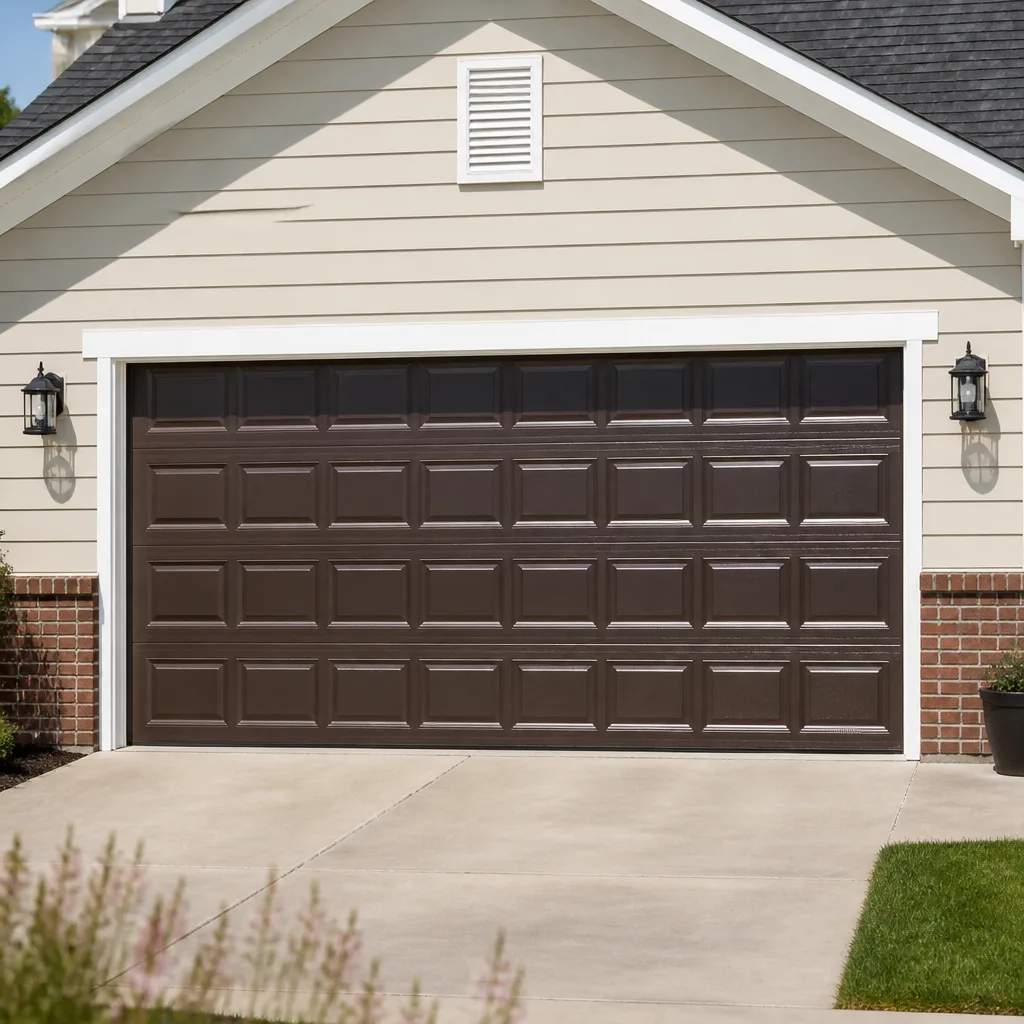 Raised-panel steel
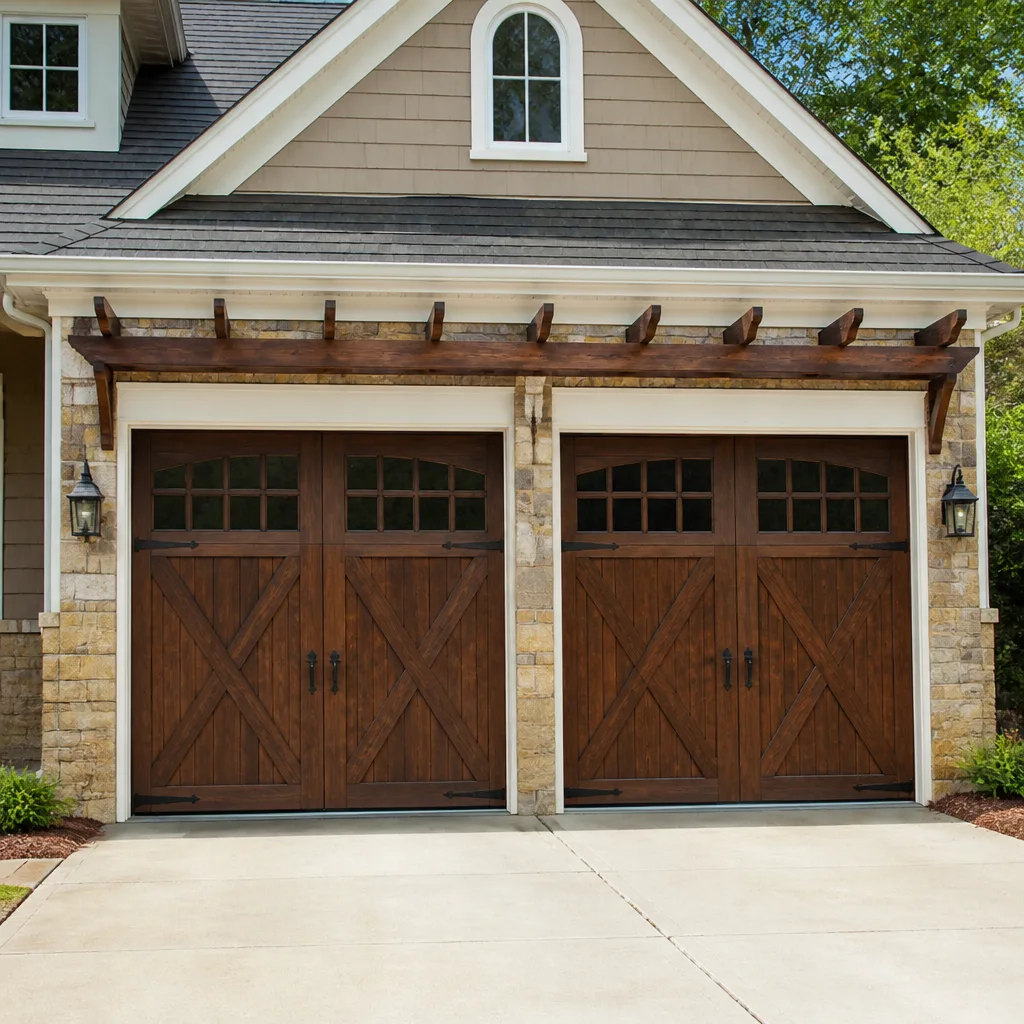 Carriage house
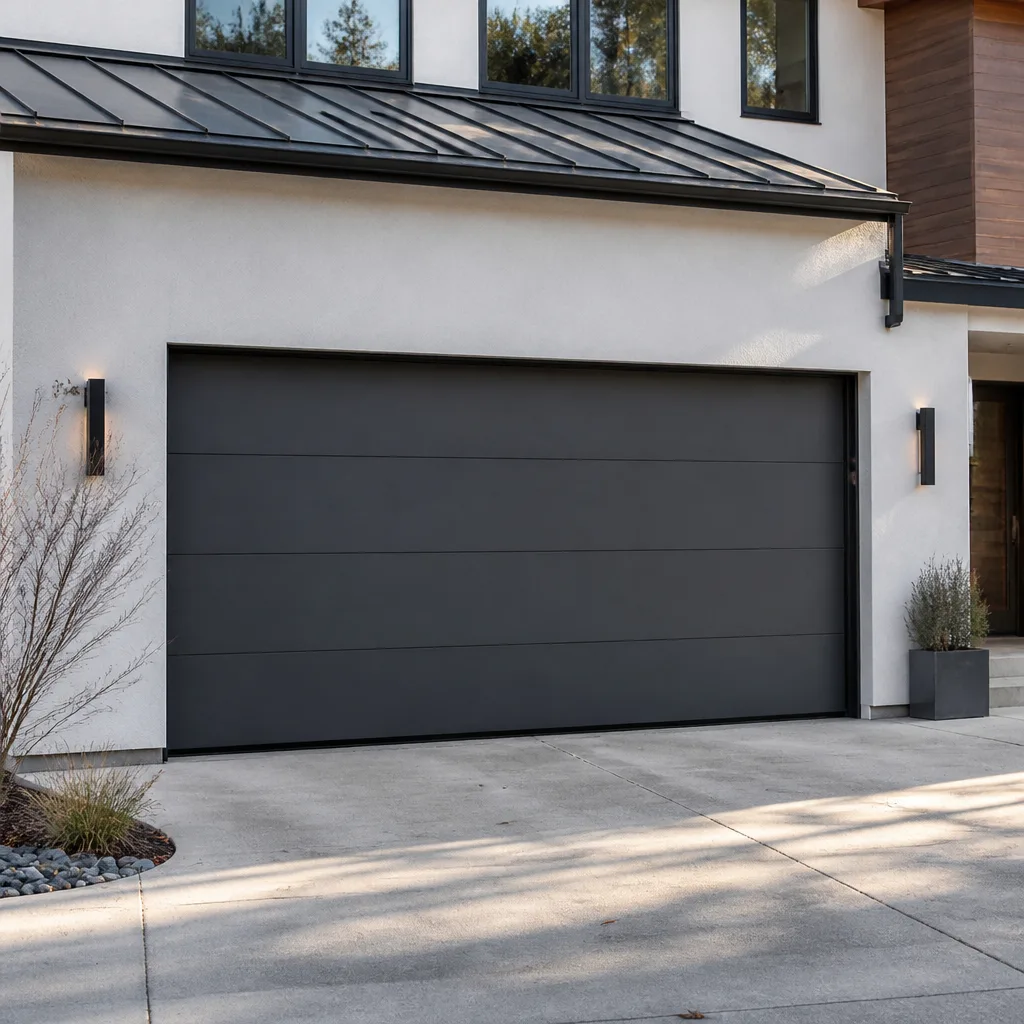 Modern flush
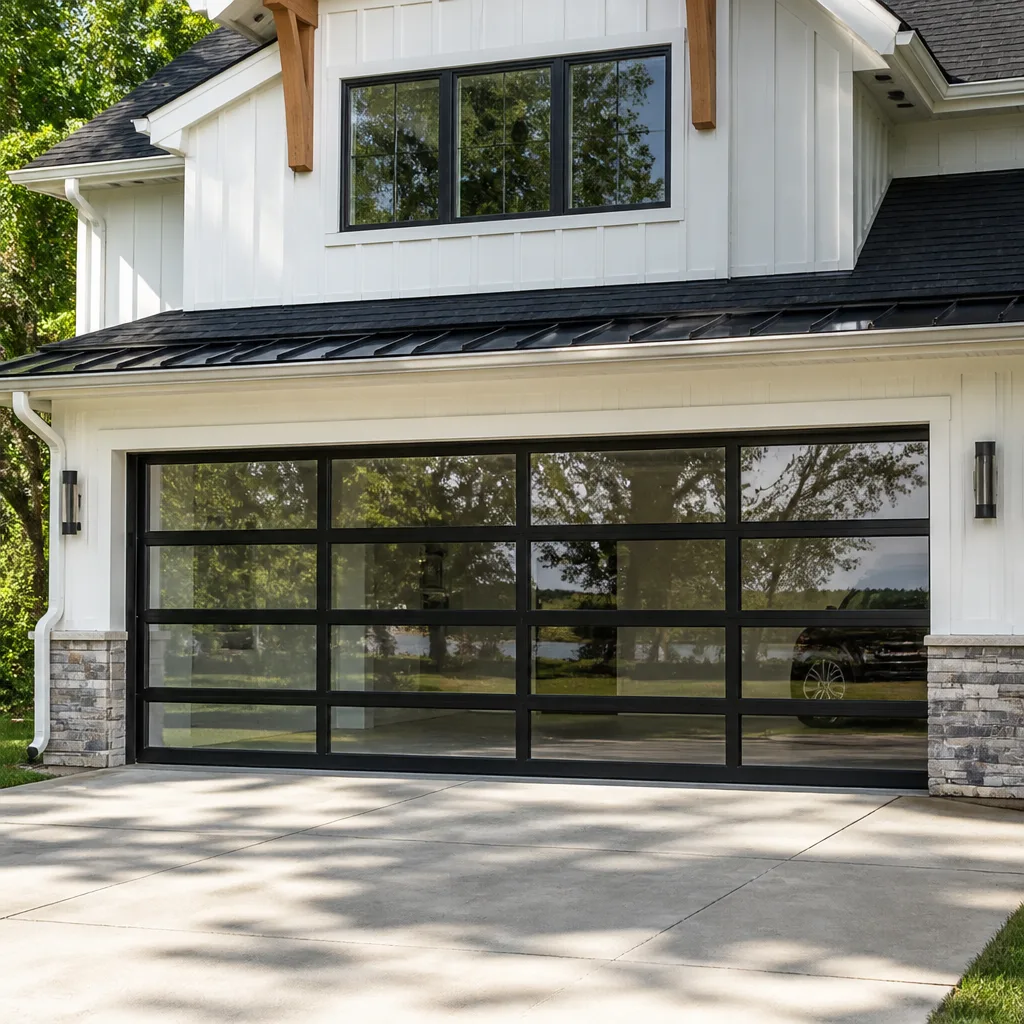 Full-view glass
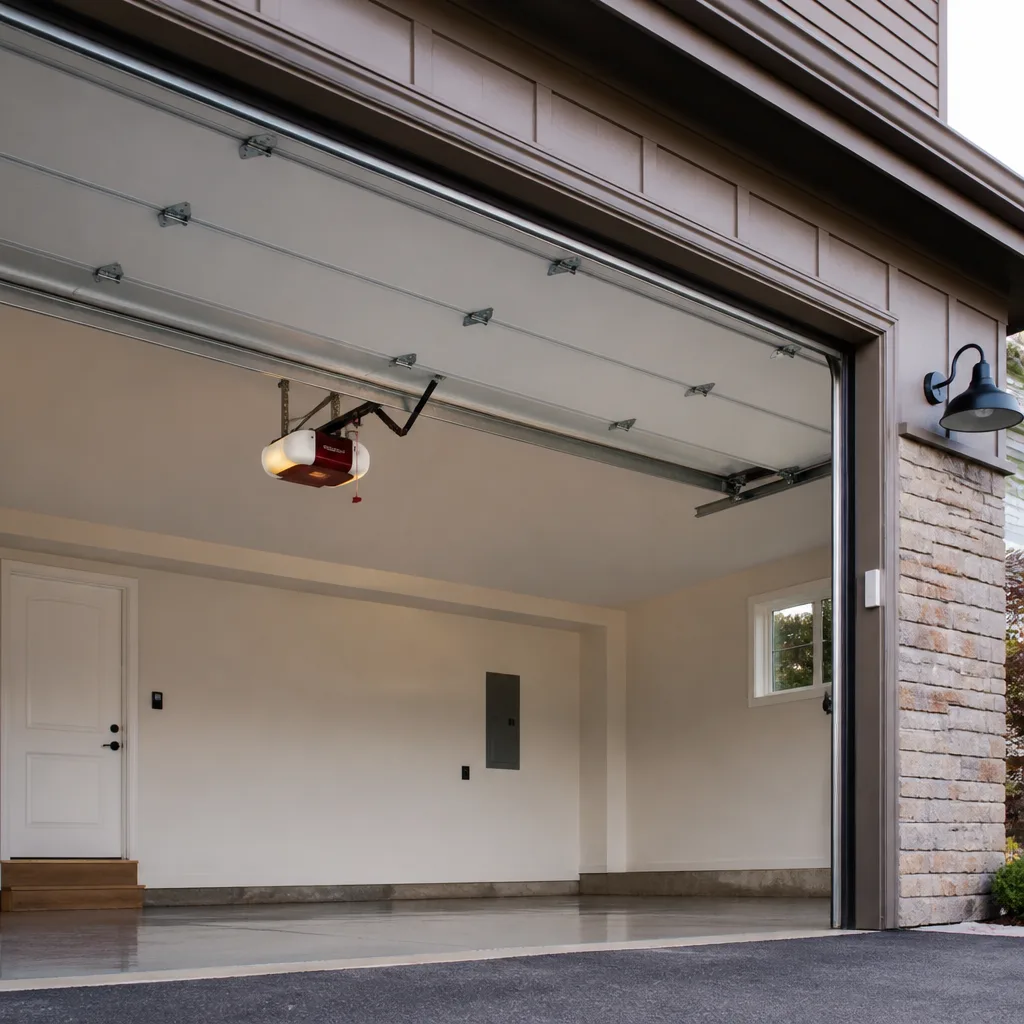 LiftMaster openers
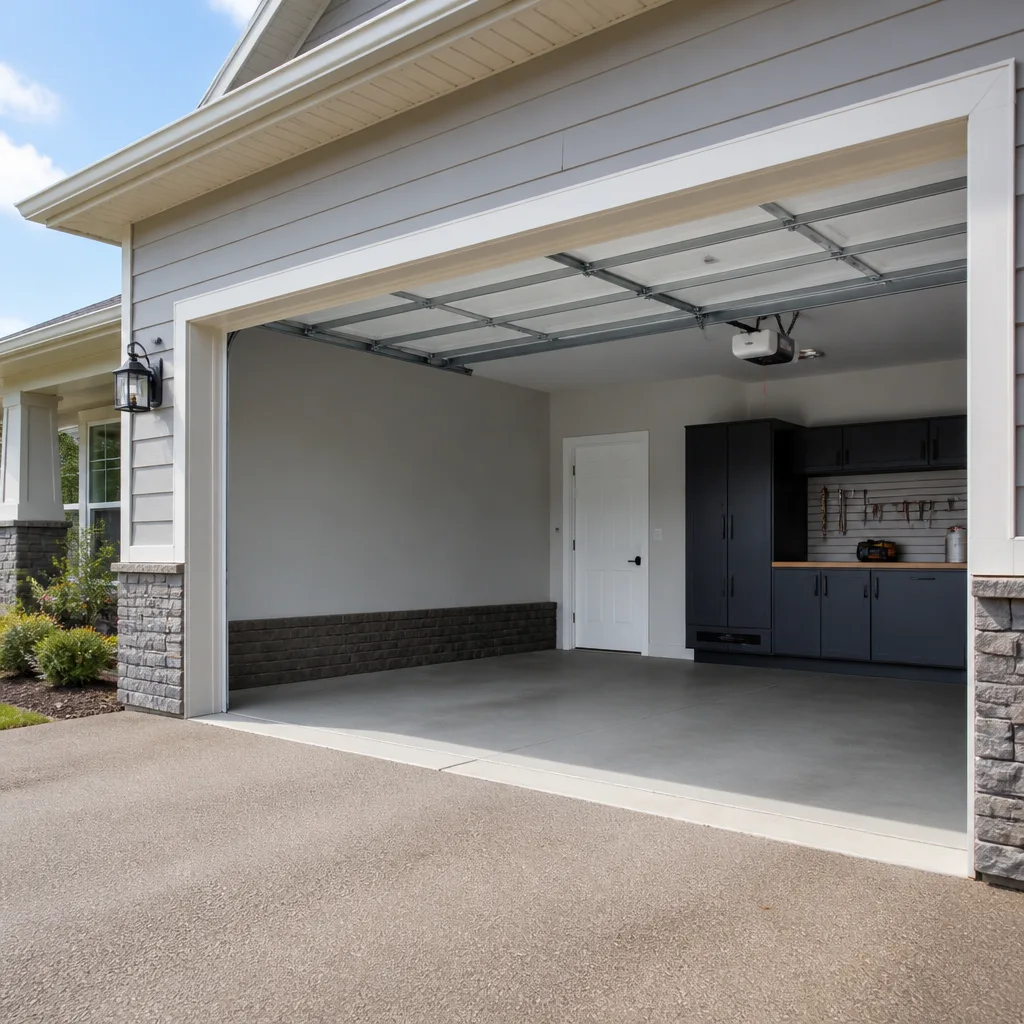 Chamberlain openers
Full 25-point door and opener safety check with every visit - springs, cables, rollers, tracks, and your LiftMaster or Chamberlain opener included
You get a price before we start. It does not change when the pro arrives.
Get your free estimateHow to Hire a Garage Door Contractor in Greenville: A Step-by-Step Guide
Any general handyman can list “garage door repair” on a website. The real question is whether the person who shows up stocks the parts, knows the brand on your door, and understands the liability that comes with a high-tension spring system under load. Most Greenville homeowners shop this decision on price alone, then get surprised by line items they never agreed to. The cheaper quote isn’t the problem; the missing questions before it are. What follows is a vetting framework you can use on any contractor in Greenville, built around what actually separates a garage door specialist from a generalist. Read it once and you’ll ask better questions for the life of your door.
Quick Answer
To hire a garage door contractor in Greenville, verify that the contractor specializes in garage doors, carries proper state licensing and insurance, works with your specific door and opener brand, and provides a written, itemized estimate before any work begins. Ask directly whether they handle springs, openers, and installation in-house, and confirm the warranty terms in writing. Three questions in a short phone call will tell you whether you’re talking to a specialist or someone guessing at the work.
Styles & brands we work with
- Raised-panel steel
- Carriage house
- Modern flush
- Full-view glass
- LiftMaster openers
- Chamberlain openers
Table of Contents
- Check Whether Garage Doors Are Actually Their Trade
- How to Verify Licensing and Insurance in New Jersey
- Five Questions to Ask Before You Book Anyone
- What a Legitimate Written Estimate Must Include
- Reading Reviews for Patterns, Not Outliers
- Parts Versus Labor Warranties on Springs and Openers
- What Greenville Homeowners Should Know About Their Doors
- When the Job Stays in Your Hands and When It Doesn’t
Check Whether Garage Doors Are Actually Their Trade
A specialist spends all day on doors. A generalist splits attention across gutters, decks, drywall, and whatever else the phone brings in. That difference shows up fast when the problem is mechanical rather than cosmetic. A torsion spring operating at high tension behaves differently than a sticking window, and an opener that reverses on contact has logic-board causes you’ll only recognize if you’ve diagnosed that brand before.
Here’s how to quickly tell the two apart:
- Ask what they do most of the week. A dedicated company says “garage doors” without qualifying it. A handyman hedges.
- Ask which brands they know. Name recognition tells you a lot. We work on LiftMaster, Chamberlain, Genie, Clopay, Amarr, Wayne Dalton, Craftsman, and Raynor – and familiarity with a brand’s specific failure points cuts diagnostic time.
- Ask if they carry common parts. A specialist knows what usually fails on your brand. A generalist orders everything and returns two or three days later.
- Ask if springs are a named service. Spring replacement is the single most dangerous garage door repair. Contractors who list it as a dedicated service have made a decision to train for it. Those who bury it inside “general repairs” haven’t.
This matters whether you need simple garage door repair or a full replacement. The company that handles the repair well is the one you’ll want for the install, so pick the relationship with lifecycle in mind. If a company shows up for a tune-up but tells you springs are “out of scope,” you’re back to square one on the next job.
One more test: ask how they’d handle a door stuck open with a car trapped inside. A specialist answers with a sequence. A generalist pauses. That pause is your answer.
How to Verify Licensing and Insurance in New Jersey
New Jersey licenses home improvement contractors through the Division of Consumer Affairs as Home Improvement Contractors, and registration status can be checked in the state’s online license lookup in about a minute. A legitimate contractor should be able to give you the license number before you sign anything. Run the number yourself. Don’t take a promise that it’s on file.
General liability insurance is the second layer. Ask for a certificate of insurance that lists the contractor’s business name, and confirm the policy is current. If a contractor can’t produce one, that’s not caution on your end – that’s sense. A door under tension can damage a car, a wall, or a person, and uninsured work leaves you exposed.
Steps to verify in 60 seconds:
- Ask for the contractor’s New Jersey Home Improvement Contractor registration number.
- Enter that number in the Division of Consumer Affairs online license lookup.
- Confirm the business name on the license matches the name on your quote.
- Request a certificate of insurance and check the expiration date.
- If the work involves a full door replacement, ask whether a municipal permit is required for your town – most Greenville-area municipalities have their own rules, so confirm with the building department rather than assume.
Any contractor who gets defensive about these five steps is telling you something useful. The local pro we connect you with is licensed and insured as their state requires, and we think that standard should be the floor, not a selling point.
Five Questions to Ask Before You Book Anyone
These five questions are the fastest diagnostic you have. A specialist answers directly and often offers detail you didn’t ask for. A generalist gives you variations of “we’ll take a look when we get there.” Listen for the level of specificity, not the level of politeness.
- “Which brands do you service most often?” Look for brand names, not “all major brands.” We work on equipment from LiftMaster, Chamberlain, Genie, Clopay, Amarr, Wayne Dalton, Craftsman, and Raynor. If a contractor can’t name three brands without checking a website, they don’t work on them often enough to be useful.
- “Do you handle springs, openers, panels, and full installations under one roof?” Full-lifecycle coverage means you don’t chase down a second contractor for the opener after the door is replaced. When you’re having garage door installation done, the company that already knows your existing opener has better odds of delivering a door that runs smoothly from day one.
- “What does the written estimate include?” A specialist will tell you exactly what’s on it: parts, labor, haul-away, and warranty terms. A vague answer here is the single biggest red flag in the whole process.
- “How do you handle emergency calls?” A dedicated company treats emergency work as a core offering, not an upsell. A generalist tells you they’ll “fit you in.” If your door fails and you’re locked out or the door is a liability, you want to know which answer you’ll get before the call.
- “What warranty do you give on parts and on labor?” These are separate warranties with separate terms. Any specialist who’s been asked before will have both answers ready.
If you’re facing a failed opener specifically, these questions also help you evaluate garage door opener repair. The brand on your opener changes the troubleshooting sequence, so a company that works on modern LiftMaster and Chamberlain/myQ systems as well as legacy Craftsman and Genie openers will get to the answer faster than one that treats all openers as the same device.
What a Legitimate Written Estimate Must Include
A written estimate is the document that protects you from the invoice surprise. It should name the parts, the labor, and the terms – not three lines of general description. If the estimate says “garage door repair – $XXX” with no breakdown, you have no way to tell whether the price is reasonable or whether half the cost is a part you may not need.
A legitimate estimate includes:
- Specific parts and model numbers. “Two 8,000-cycle torsion springs” is specific. “Springs – labor and materials” is not.
- Labor itemized separately from parts. This matters when you’re comparing warranties, because parts and labor are usually covered on different terms.
- Whether the price is for one spring or a matched pair. Torsion springs are usually replaced as a pair because the second spring is on the same wear cycle as the first. A pair is typically about twice the cost of a single spring. If the estimate doesn’t say which, ask before you sign.
- Opener specifics if relevant. If you’re having an opener replaced or repaired, the model number should appear. Smart-home openers and legacy models sit at different price points.
- Haul-away and disposal. The old door or spring has to go somewhere. That cost should be stated, not added later.
- Warranty terms in writing. Length on parts, length on labor, and what voids them.
- The final total. Not “starting at.” Not “plus parts.” The number you’ll be asked to pay.
Every price we quote is agreed before work starts, and the written estimate sets the final price. This is the standard to hold any contractor to, including us. If a quote is vague, the vagueness is doing work you didn’t ask for.
Reading Reviews for Patterns, Not Outliers
Reviews are useful if you know how to read them. The mistake is scanning the star rating and skipping the content. One unhappy customer is normal – every trade sees them. Three reviews describing the same problem is a pattern, and a pattern is a prediction.
What to look for in the review text:
- Price change after the visit. If multiple reviews say the price on the invoice was higher than the quote, that’s a systemic issue with estimates, not a misunderstanding.
- Repeat visits without a fix. Two trips for the same problem is sometimes reasonable. Three or four usually means diagnosis was skipped and parts were guessed at.
- Warranty disputes. Reviews that mention a warranty that wasn’t honored are especially worth noting, because they suggest the warranty terms were unclear from the start.
- Same complaint across different jobs. If spring failures show up in reviews alongside opener failures and installations, the issue probably sits with process, not with a particular repair.
Note the context, too. A one-star review about a delay during a storm week is different from a one-star review that says the technician couldn’t identify the brand on the door. Greenville is a small enough market that a handful of detailed local reviews tells you more than hundreds of anonymous five-stars. Look for detail – reviews that mention parts, model names, or brand-specific outcomes tend to be the trustworthy ones.
Parts Versus Labor Warranties on Springs and Openers
Parts warranties and labor warranties are separate contracts, and they almost never have the same length. A manufacturer might cover the spring itself for several years, while the company installing it covers the labor for a much shorter period. That distinction determines who pays when the same part fails twice – and in spring and opener work, that’s the failure mode you’re most likely to encounter.
How this plays out in practice:
- Springs. Springs are rated by cycle count, not time. A higher-cycle spring costs more but lasts longer, so a cheaper spring may look like a bargain on the estimate and cost more over the door’s life. Confirm which cycle rating is being quoted, and confirm the labor warranty in writing alongside it. If a spring fails inside the labor window, you want to know up front that only the part is covered.
- Openers. Openers are warrantied by the manufacturer on the motor and electronics, and that warranty usually varies by model. The installing company’s labor warranty is separate. When an opener fails inside its first year, the distinction matters: a motor replacement may be free while the labor to access and swap the unit is not.
- Installations. New door installations usually carry a manufacturer warranty on the door and a separate labor warranty on the install. Read both. Ask what voids them – improper installation, missed maintenance, or unapproved modifications typically do.
Our technicians have up to 11 years of experience, and they’ll walk you through both warranties before picking up a tool. Our team can work with your insurer if a claim becomes part of the picture, but the warranty terms are what determine who covers what. Get them in writing before work starts.
What Greenville Homeowners Should Know About Their Doors
Greenville’s housing stock runs a wide range. Older homes often carry legacy doors and openers built when Craftsman and Genie were the dominant names, while newer construction tends to come with smart-home systems like LiftMaster and Chamberlain/myQ. That split means two different diagnostic paths exist in the same neighborhood, and a contractor who only knows one side is limited.
Local weather matters more than most homeowners expect. Greenville sees real seasonal humidity swings through spring and summer, followed by colder, drier winter air. Wood doors in older homes will expand and contract with that cycle; steel doors take it better but still see their rubber seals harden and crack over time. The practical effect is that hardware loosens, rollers wear faster, and the door can go out of balance without an obvious cause. That’s one reason tune-ups catch problems earlier here than in climates with steadier conditions.
Wind and storm exposure in this part of New Jersey is worth knowing, too. Hail is uncommon here, but heavy wind and the occasional fallen branch are the more typical culprits for panel and track damage. If a door has taken a hit, the repair decision is often about tracks and panels rather than the whole door. Free estimates are the way to find out which.
For Greenville specifically, the practical pointer is this: ask any contractor whether they’ve worked on your brand and your door’s era of construction. A door from the 1980s and a door from 2022 don’t fail the same way. If the company can talk through both, you’re likely in good hands. Take a look at Greenville Garage Door Repair Pros for the full service list if you want to compare against what other contractors offer. Most Greenville-area municipalities also require a permit for a full door replacement, so confirm with your building department before any install begins.
When the Job Stays in Your Hands and When It Doesn’t
Some garage door maintenance is safe to do on your own: wiping down the tracks with a damp cloth, lubricating rollers with a product made for the job, tightening a loose bracket bolt, testing the safety reverse by placing an object in the door’s path. Keep your spring and cable work away from that list. Torsion springs store an enormous amount of energy and can cause serious injury when they release; that’s not a scare tactic, it’s the reason specialists train specifically for this repair.
A sane split looks like this:
- DIY-friendly: visual inspection, general cleaning, track lubrication, tightening non-tension fasteners, testing the opener’s safety features.
- Pro-only: spring replacement, cable replacement, track realignment, opener logic-board diagnosis, panel replacement, any work that involves the door under tension.
The safe way to check your door isn’t to disassemble anything. It’s to listen and watch. A door that jerks, bangs, or stops halfway is telling you something. A spring that looks stretched or has visible gaps is telling you something. A warning sign is your cue to call, not to get a wrench. If something looks off and you’re not sure, stop and book an inspection rather than open the housing.
Common Mistakes to Avoid
- Choosing on price alone. The cheapest quote is often cheaper for a reason – a lower-cycle spring, a reused worn part, or a ticket that gets expensive once the tech sees the door. Compare itemized estimates, not totals.
- Skipping the license check. A contractor without New Jersey Home Improvement Contractor registration can’t be verified in the state lookup. That’s the first minute of due diligence, not an optional step.
- Accepting a verbal quote. A verbal estimate is not a contract, and it’s the reason some homeowners wind up paying more than they expected. Anything you’re paying for should be on paper first.
- Replacing a single spring instead of a pair. Matched torsion springs wear together. Replacing one leaves you back on the phone a few months later, often for the second one. A pair is about twice the cost for a fraction of the repeat.
- Ignoring opener brand compatibility. A generalist may try to fit a Chamberlain opener to a door tuned for LiftMaster logic or vice versa, and the result is a door that opens but doesn’t behave. Ask what brands the contractor handles before the install, not after.
- Not asking about permits for a full replacement. Greenville-area municipalities vary on this. Forgetting to ask leads to surprise paperwork later. Confirm with your building department or ask the contractor to confirm before the work is scheduled.
- Skipping the warranty conversation. A cheap repair with a short labor warranty can cost more than a slightly higher repair with a real one. Get parts and labor separately in writing.
See the difference
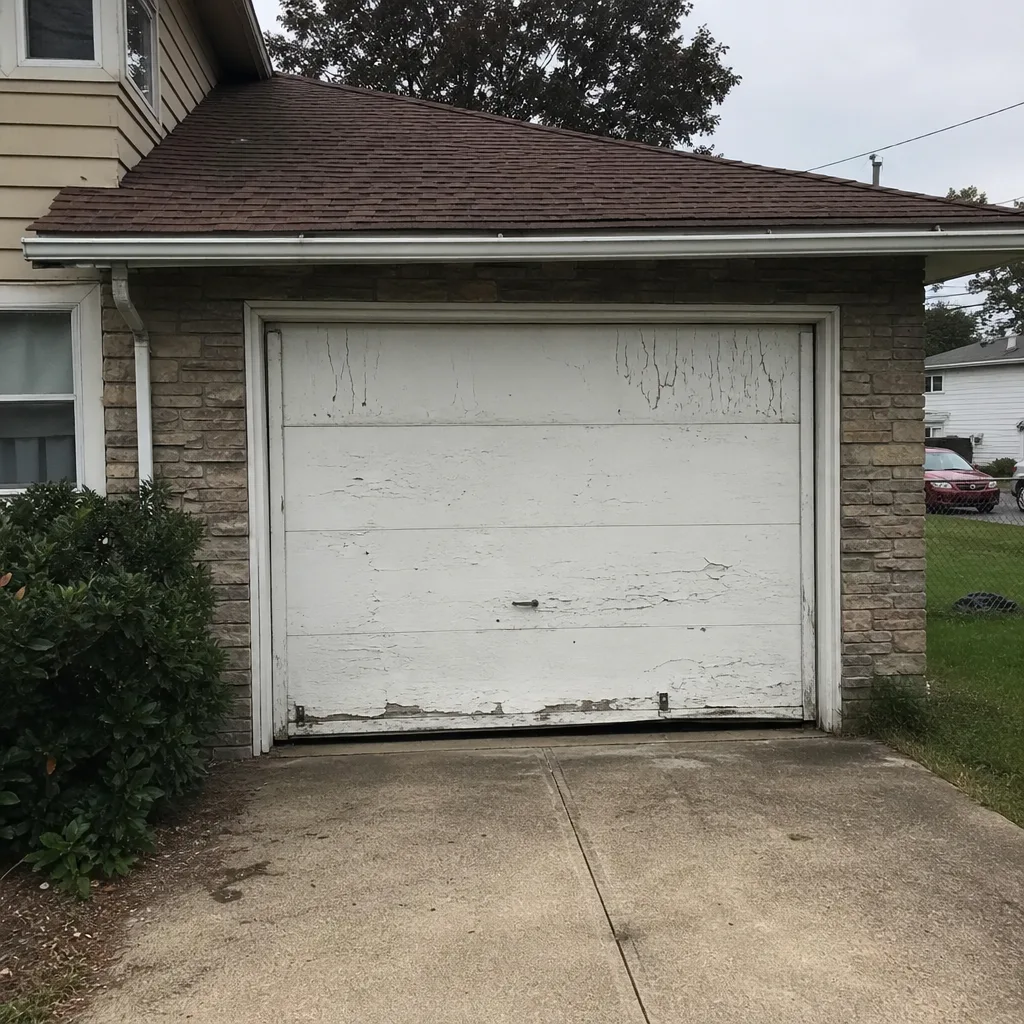 Before
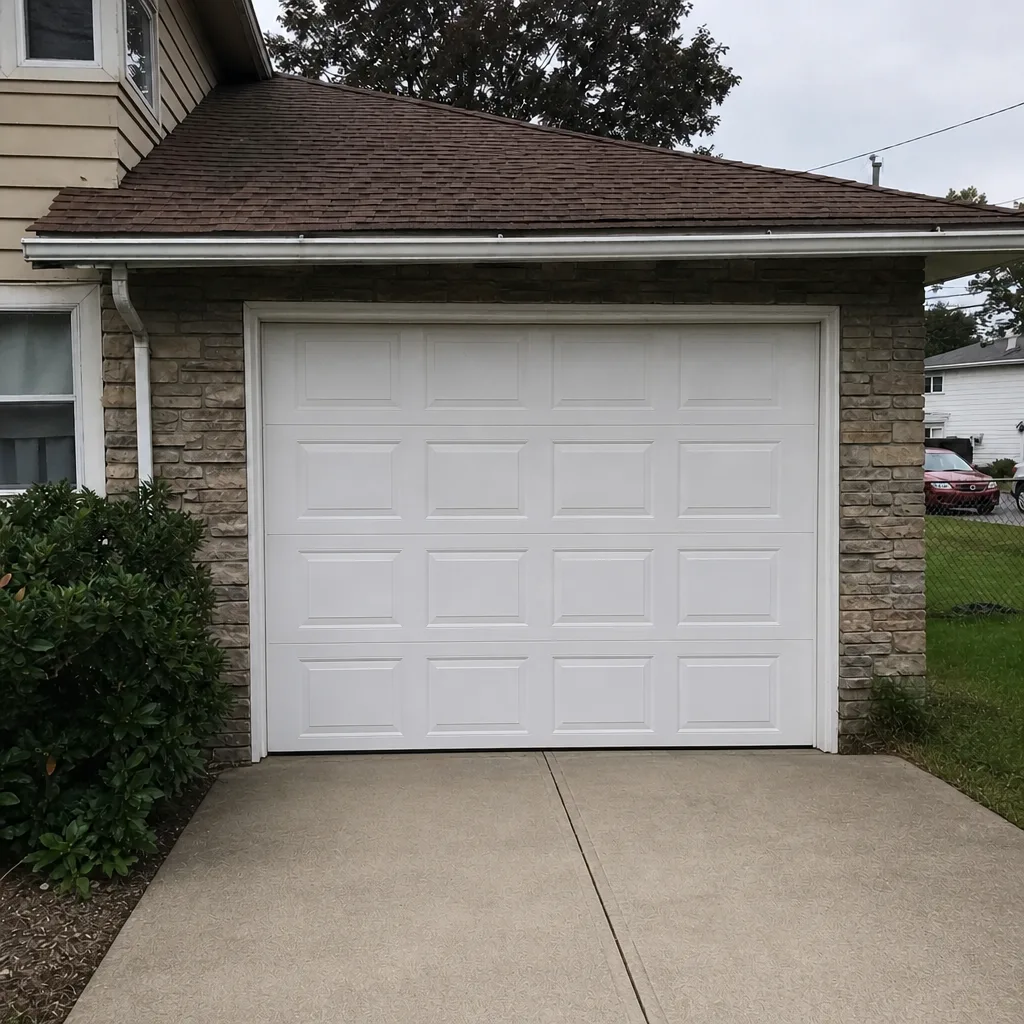 After
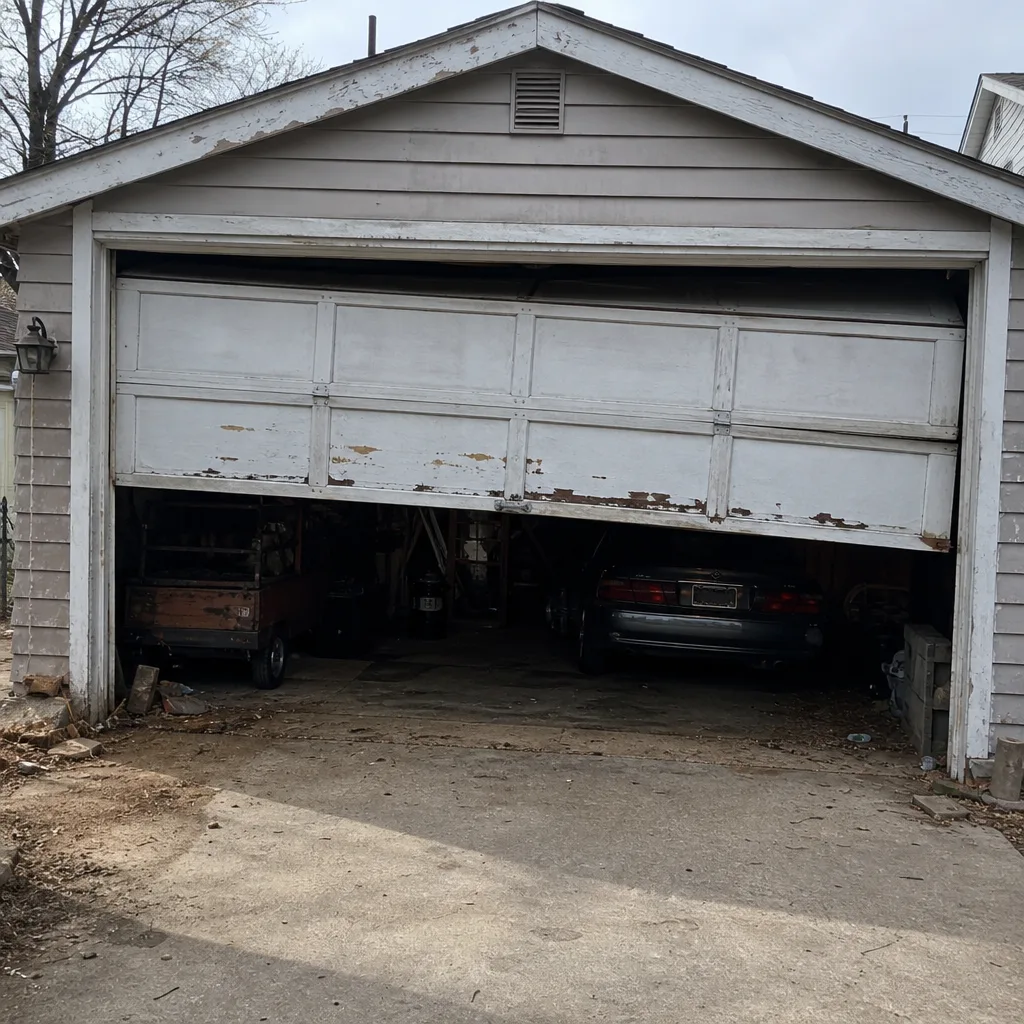 Before
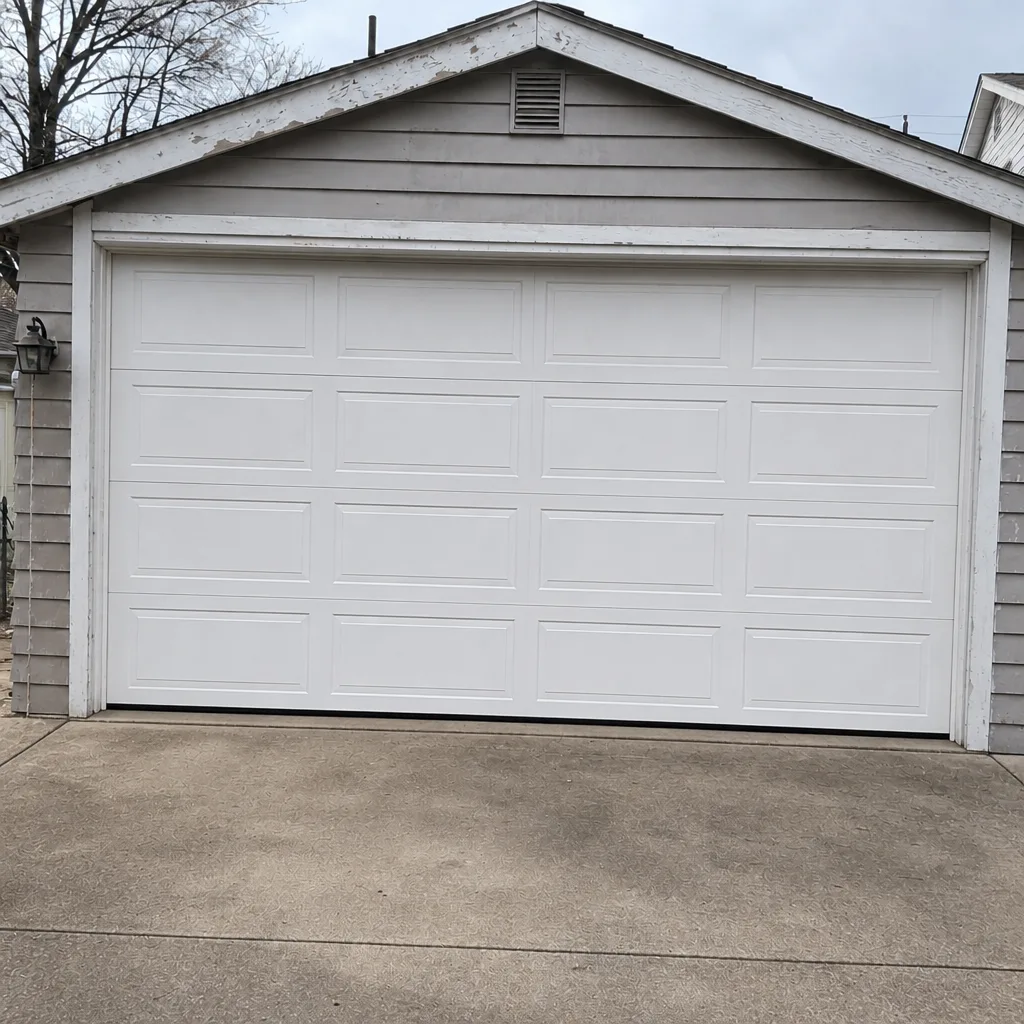 After
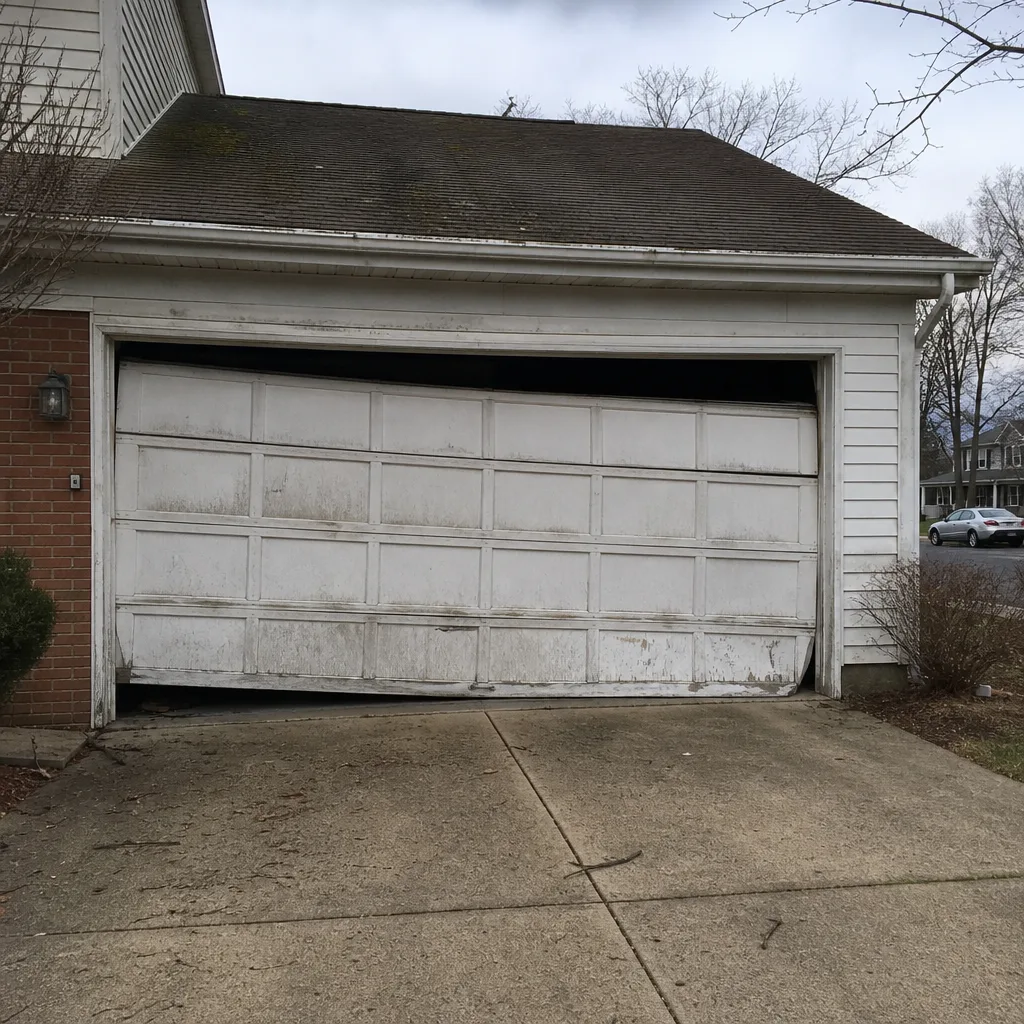 Before
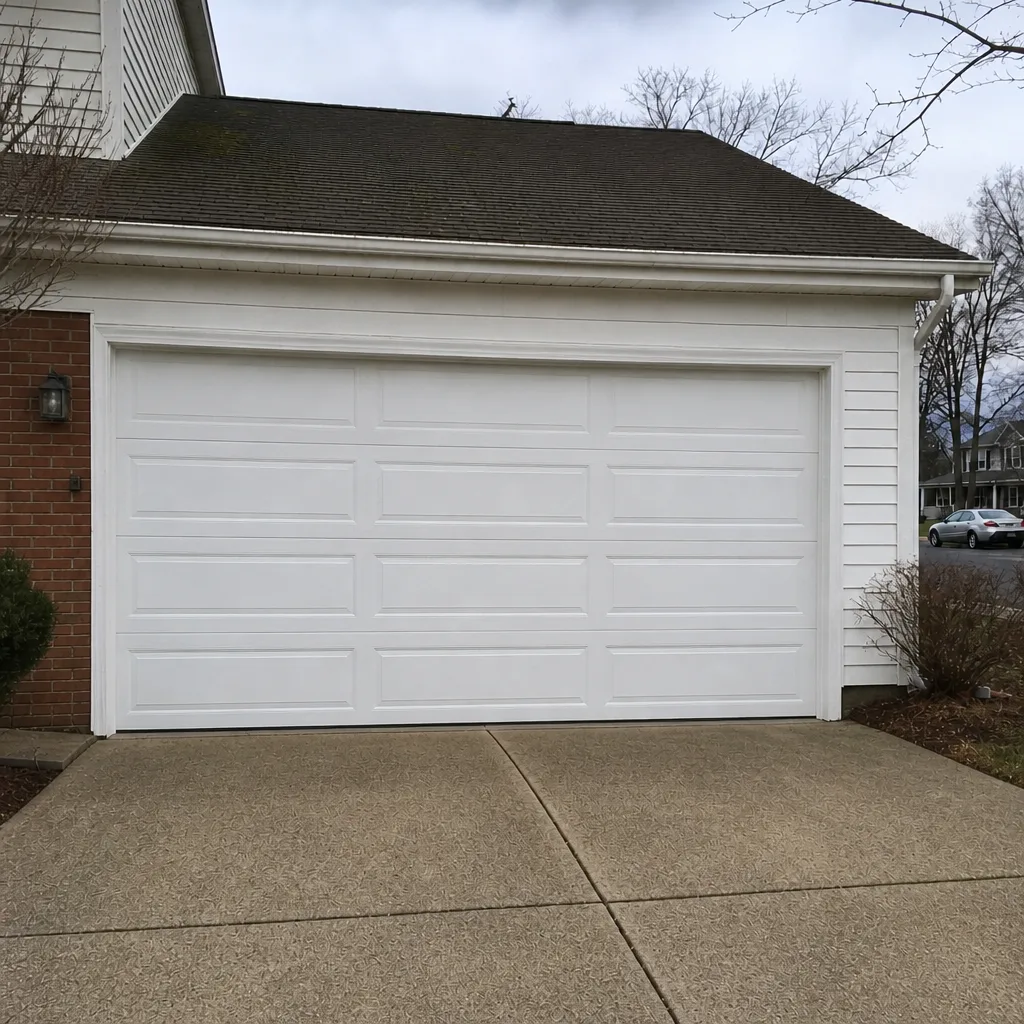 After
When to Call a Professional
Call a professional when the door won’t open or close, when you hear a loud bang from the spring area, when the door comes off its track, when the opener reverses on its own, or when the door is visibly out of balance. These are not tune-up items, and in the case of springs and cables, they’re not DIY work. The door is your home’s largest moving part, and any failure that leaves it stuck open, stuck closed, or hanging crooked is a liability issue as much as a convenience one.
If you’re locked out, or if the door won’t close and you can’t secure it, an emergency call is the right move. If you’re replacing a door at the end of its life, schedule that conversation with a free measure and a written price rather than an urgent call. Greenville Garage Door Repair Pros offers free estimates in Greenville – call (855) 706-3964.
Frequently Asked Questions
Most garage door repairs in Greenville run in the range of a service call plus the part and labor for the specific repair, and we quote the full price in writing before work begins. Spring and opener repairs are the two most common jobs, and both depend on brand, model, and whether parts need to be ordered. Call (855) 706-3964 for a free estimate – the price is agreed before any work starts.
In many cases, yes. Spring failures are one of the repairs where we can often schedule same-day. Emergency garage door service is a core offering, not an upsell, so if you’re locked out or the door is unsafe, call and we’ll do what we can to get you on the schedule quickly. Call (855) 706-3964.
No, not once you’ve agreed to the written estimate. We inspect the door, quote the job in detail, and the written price is what you pay – the estimate sets the final price. If we discover something that requires a different repair, we’ll tell you and quote it before proceeding. Call (855) 706-3964 for an exact quote.
Yes. The local pro we connect you with is licensed and insured as their state requires, and they work only on garage doors. You can request their New Jersey Home Improvement Contractor registration number and verify it with the state Division of Consumer Affairs before booking. Call (855) 706-3964 to schedule.
That depends on your municipality. Many Greenville-area towns require a permit for a full door replacement, while repairs usually don’t need one. Confirm with your town’s building department before scheduling the install, or ask the contractor to confirm. Call (855) 706-3964 for an installation estimate.
We work on equipment from LiftMaster, Chamberlain, Genie, Clopay, Amarr, Wayne Dalton, Craftsman, and Raynor. That covers the smart-home openers on newer Greenville homes as well as the legacy openers and doors on older ones. If you’re not sure what’s on your door, tell us the model and we’ll tell you whether we can help. Call (855) 706-3964.
The Bottom Line
The best defense against an unnecessary upsell or unqualified labor is a short list of questions asked before anyone touches your door. Confirm the contractor works on garage doors as their trade, not as a side offering. Verify registration and insurance in the state database. Demand itemized written estimates with parts, labor, and warranty terms separated. Read reviews for patterns, not single complaints. And never accept a verbal quote on spring or opener work. Those five habits will serve you in Greenville and anywhere else you ever own a home with a garage.
Contact
If you’d rather put the questions to us directly, that’s what we’re here for. Greenville Garage Door Repair Pros handles garage door repair, garage door installation, and garage door opener repair across the Greenville area, and we’re always happy to talk through your door before you commit to anything. Call (855) 706-3964 for a free estimate. Our team will walk you through the options, quote the job in writing, and get you scheduled.
Written by the team at Greenville Garage Door Repair Pros.