Last updated November 21, 2026
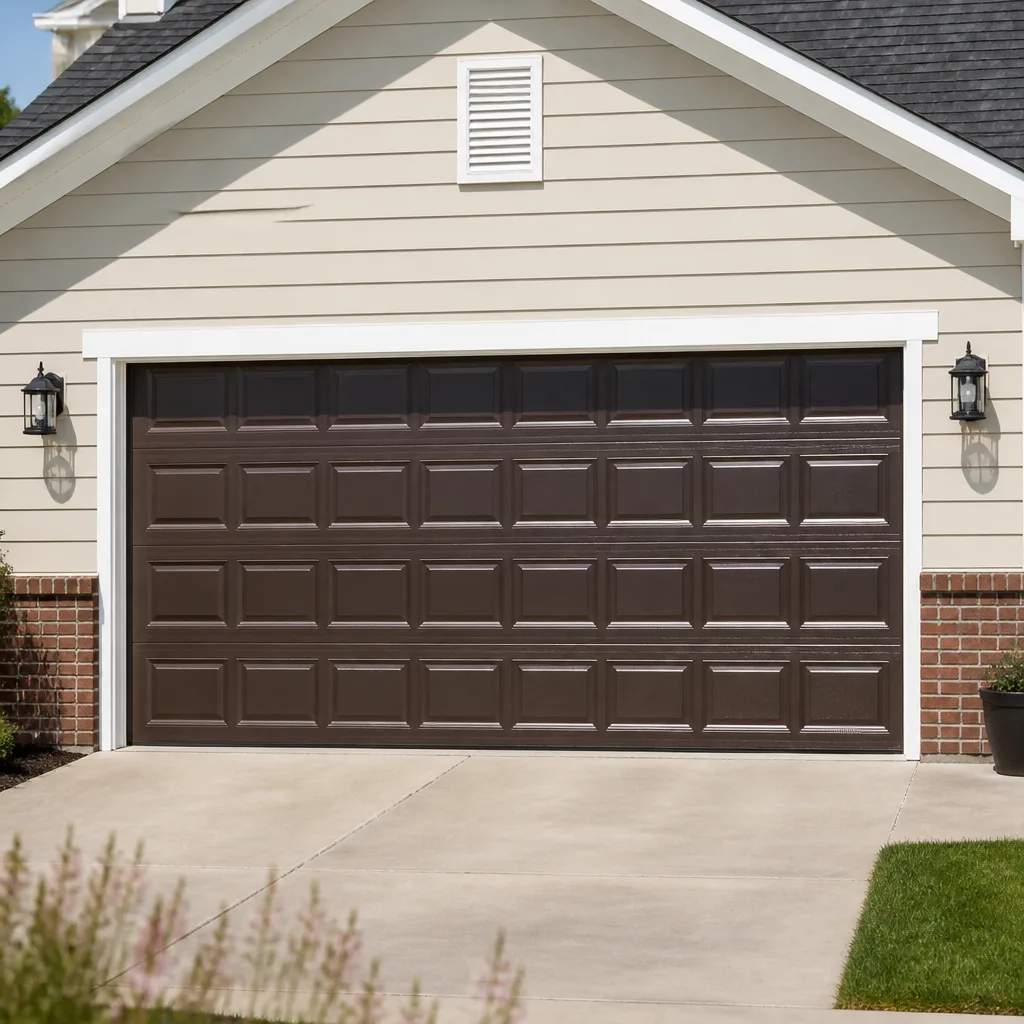 Raised-panel steel
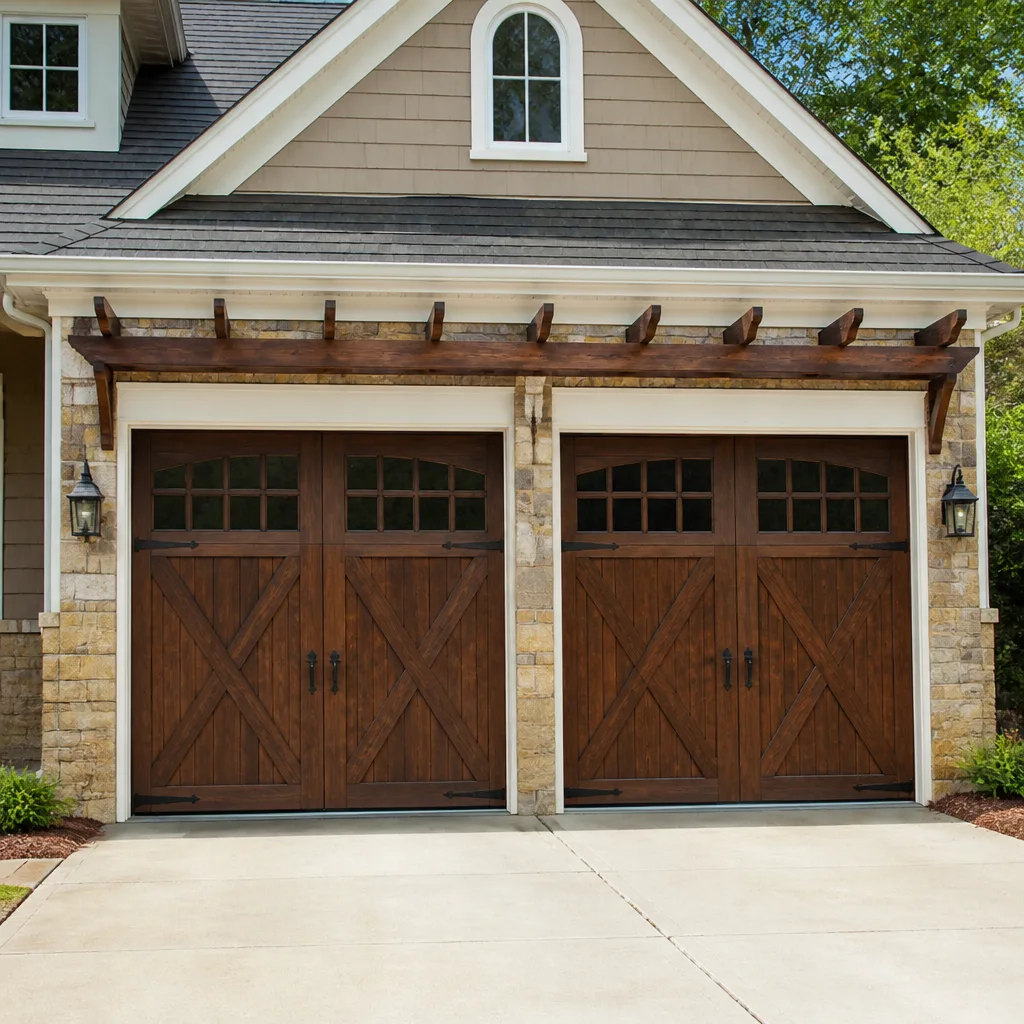 Carriage house
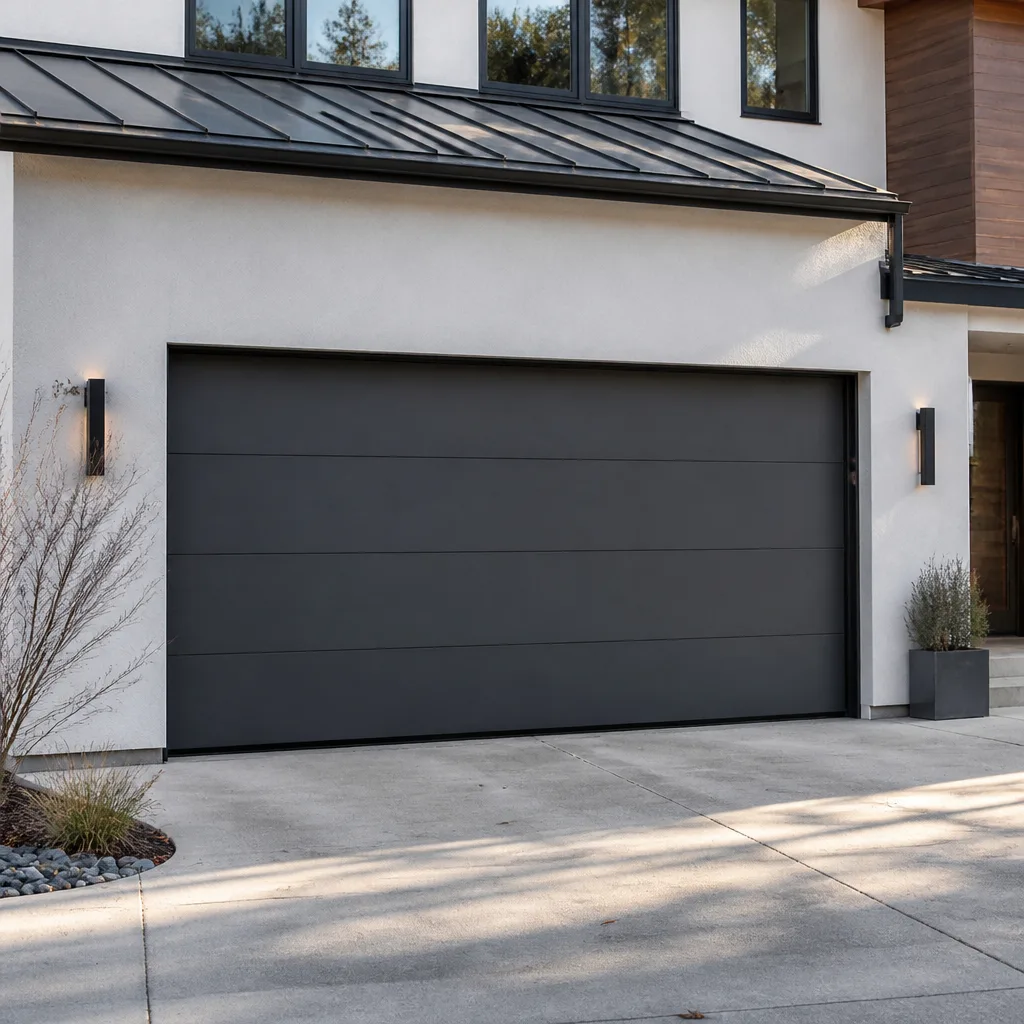 Modern flush
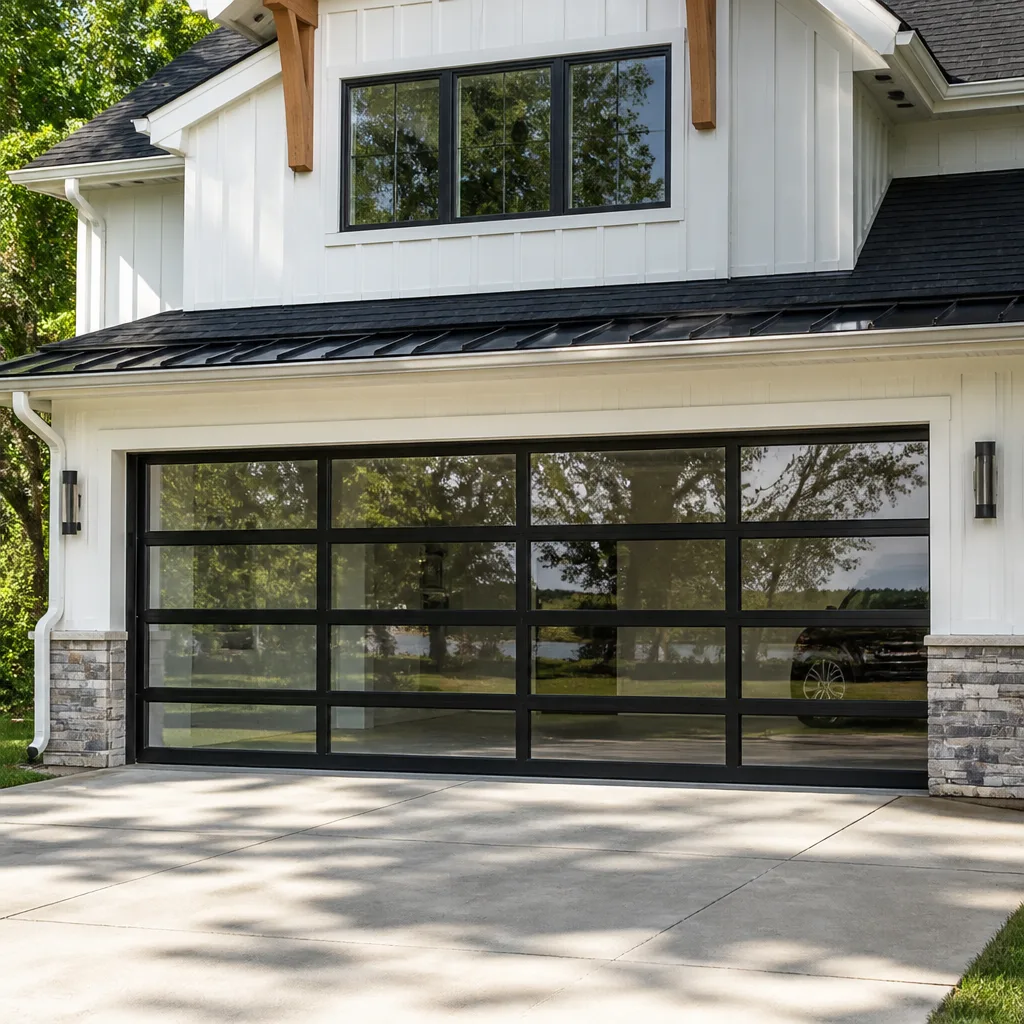 Full-view glass
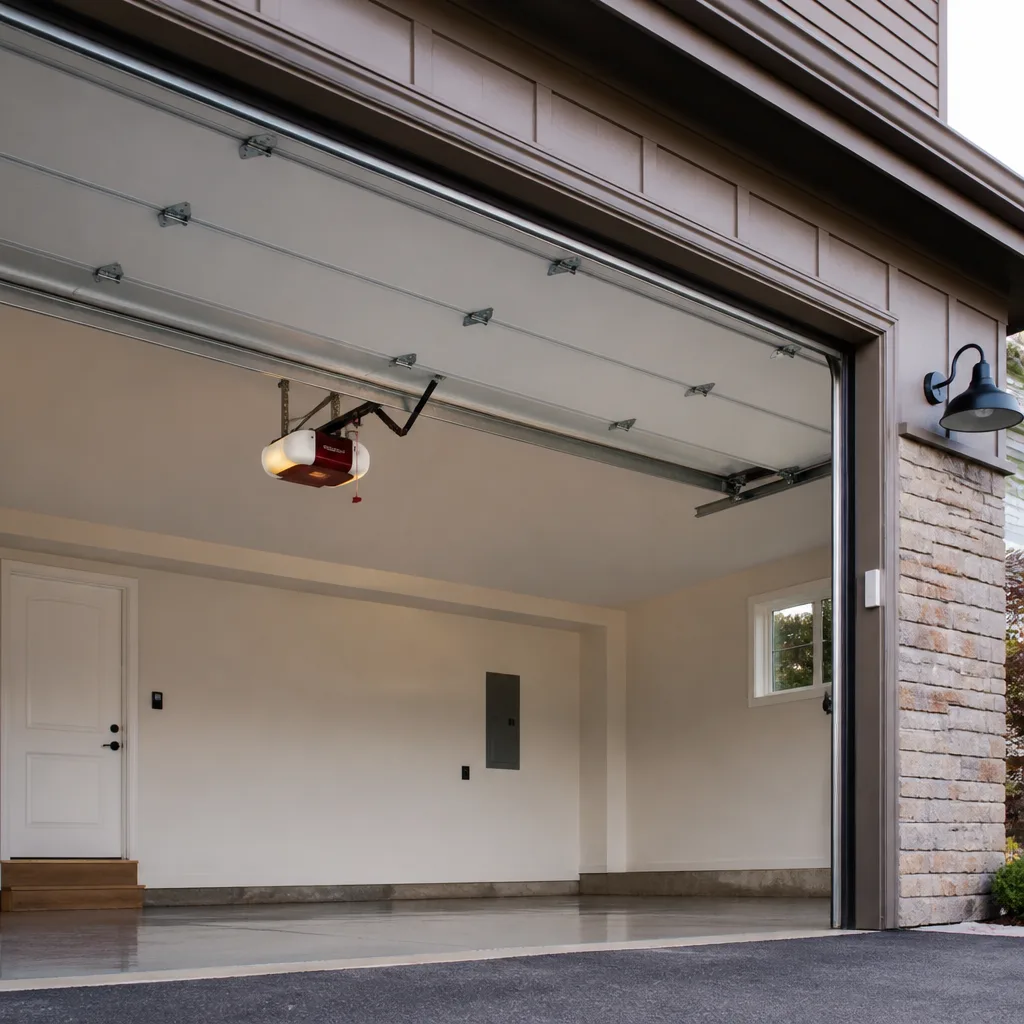 LiftMaster openers
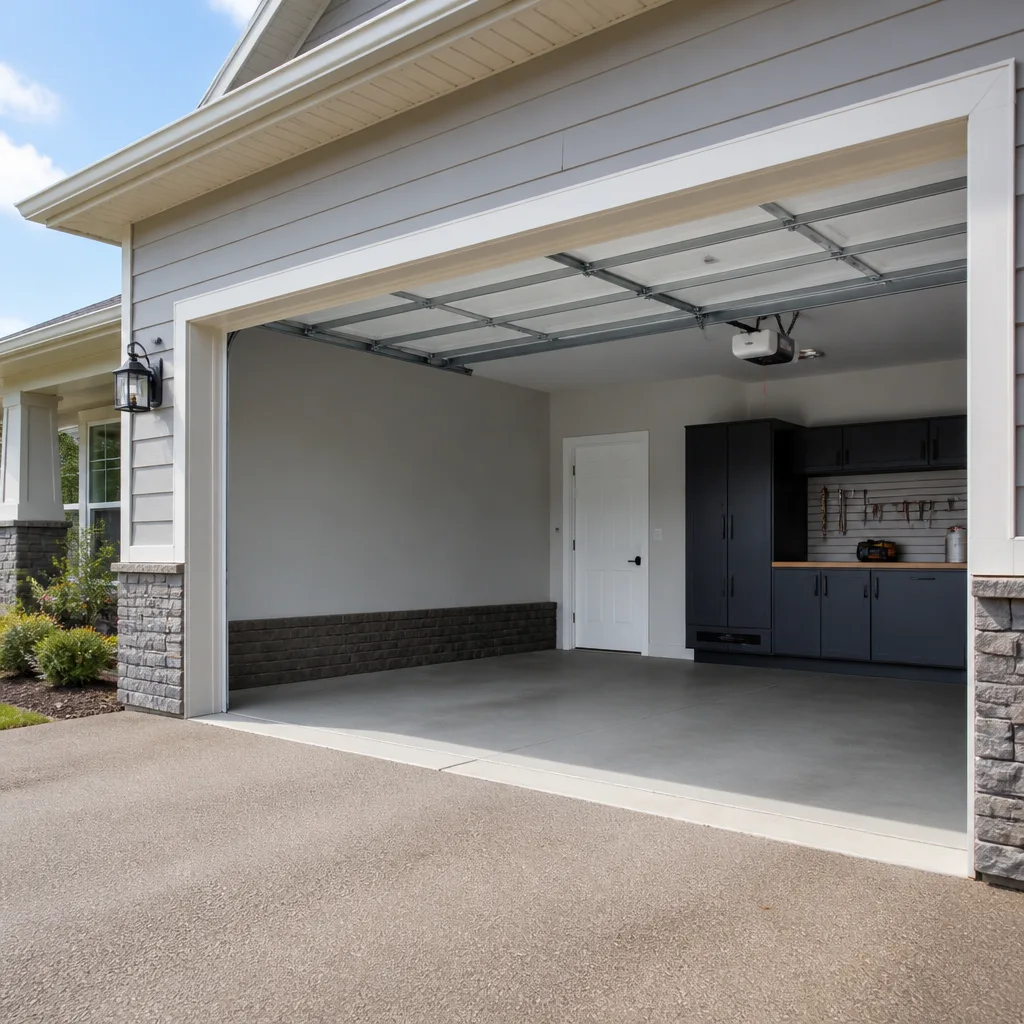 Chamberlain openers
Full 25-point door and opener safety check with every visit - springs, cables, rollers, tracks, and your LiftMaster or Chamberlain opener included
You get a price before we start. It does not change when the pro arrives.
Get your free estimateSeasonal Garage Door Care for Greenville: Year-Round Homeowner’s Guide
January is the worst month for a spring to snap in Greenville – not because of bad luck, but because cold metal contracts, and that contraction adds tension to springs the summer humidity cycle already stressed. Most homeowners treat garage door care as one annual chore, usually a squirt of lubricant somewhere in the tracks and a mental note to “look at it later.” That approach misses three of the four stress profiles a door actually endures here. What follows is a season-by-season breakdown of what Greenville weather does to steel, nylon, wood, and torsion springs, a 15-minute walk-through that catches most failures before they happen, and the exact tasks to prioritize in fall before the first freeze. Greenville homeowners who understand the calendar get years more out of their doors.
Quick Answer
Seasonal garage door care in Greenville follows four distinct phases: winter, when cold contracts metal and loads tension onto springs; spring, when post-winter moisture reveals weatherstripping and cable problems; summer, when heat expands panels and shifts opener travel limits; and fall, when pre-winter prep on rollers, lubricant, and balance prevents cold-weather failure. A 15-minute inspection each season catches roughly 80% of impending problems before they become breakdowns or safety hazards.
Styles & brands we work with
- Raised-panel steel
- Carriage house
- Modern flush
- Full-view glass
- LiftMaster openers
- Chamberlain openers
Table of Contents
- Winter in Greenville: How Cold Contracts Metal and Loads Your Springs
- Spring: The Highest-Failure Season for Seals, Stripes, and Cables
- Summer Heat: Wood vs. Steel Expansion and Opener Travel Limits
- Fall Prep: A Pre-Winter Sequence Ordered by Consequence
- The 15-Minute Seasonal Walk-Through That Catches 80% of Failures
- Why Brand Familiarity Matters When Seasonal Wear Turns Into a Repair
- Common Mistakes to Avoid
- When to Call a Professional
Winter in Greenville: How Cold Contracts Metal and Loads Your Springs
Torsion springs are engineered to a tension calculation based on the door’s weight and the cycles the spring is rated to last. Cold temperatures don’t change the spring itself much, but they do contract the steel cables, hinges, and drums the spring works against. That contraction is small. It’s also cumulative across a whole door system, and it lands directly on the spring. A spring that was already operating near the top of its cycle count in October is the one that lets go on the first hard freeze in Greenville.
What to check before the first freezing night
The winter inspection is really a listening test and a balance test. Both can be done in under five minutes without tools.
- Listen at the halfway point. Run the door up and down from inside the garage with the light off. Any popping, grinding, or rhythmic scraping means a roller, hinge, or cable is binding, and binding parts in cold weather are what break first.
- Balance test with the opener disengaged. Pull the manual release, lift the door to waist height, and let go. It should hold where you left it. A door that slides down on its own is telling you the spring tension has drifted, and that drift becomes a snapping failure when the temperature drops another twenty degrees.
- Look for gap at the bottom seal. Hold a flashlight across the floor line on a dry evening. Any cold air leaking under the bottom seal means the threshold will drip and freeze into the seal on the first hard morning.
- Check the head of the door for frost streaks. Frost marking the top panel tells you the top weatherstrip has separated from the frame.
Greenville winters are not typically brutal, but they are cold enough to finish off a spring that was already tired. Spring repair is a job we treat as a specialty for exactly this reason – it is the single highest-risk repair on any garage door – and it’s the repair we see most often in the January cold snap. We work on garage door repair issues that start as a small winter symptom and become a full spring replacement if ignored.
Spring: The Highest-Failure Season for Seals, Stripes, and Cables
Post-winter is the most unreliable stretch of the year for a garage door in Greenville, and the reason is moisture. Winter pushes freeze-thaw cycles through every seal, cable, and joint on the door. Spring then thaws that moisture into the little gaps, and the result is rust creep inside the cables, dried-and-cracked weatherstripping, and bottom seals that have lost their memory. A door that seemed fine in February often reveals several small problems in March and April.
What fails first in a Greenville spring
- Bottom seal. The rubber or vinyl flap at the foot of the door takes the most ground moisture of any part on the door. Cracking and curling under the threshold is the number one spring problem, and it’s cheap and quick to fix when caught early.
- Perimeter weatherstripping. The frame-mounted strip on the sides and top dries out through winter and splits. When it does, wind-driven rain finds the gap and starts working on the door panel coating.
- Cables. Cable failure is rarely sudden. It usually shows as a single frayed strand or a small rust bloom near a drum. A cable that would have been replaced in April can fail under the door in June if the fray progresses.
- Hinges. The hinge knuckles collect winter grit and begin to seize. Seized hinges flex the panel instead of the joint, which is how panel skins get bent silently.
The spring inspection in order
- Stand inside the garage with the door closed and run your hand along the bottom seal from one end to the other.
- Look up the side frames for a gap between weatherstripping and door edge. A finger-width gap is a fix, not an emergency.
- Follow each of the two lift cables from drum to bottom bracket. Any visible fray or rust bloom is a monitor-now, plan-the-repair signal.
- Check that every hinge is straight. A hinge that looks twisted is binding.
This is also the season to book a professional spring read if you’ve never had one. Our technicians have up to 11 years of experience with spring diagnosis, and a spring that reads “near end of life” in April gives you a full calendar year to plan the replacement before you’re caught in a cold snap.
Summer Heat: Wood vs. Steel Expansion and Opener Travel Limits
Heat moves garage door panels in two different ways depending on what the door is made of, and homeowners rarely connect the two. Steel doors expand horizontally as the sun hits them. The panel grows, the stiles push outward against the jamb, and the door can begin to bind toward the end of the day even though it ran free in the morning. Wood doors are worse in a different way. Wood absorbs humidity and swells, and it also takes on the heat directly, so a wood door sitting on a south-facing garage in Greenville can move several times more than its steel neighbor.
How heat shows up in the door
The first sign of hot-weather binding is usually a change in sound. A door that clears the springs quietly in the cool of the morning will start to groan on opening in the warm afternoon. If the door is a stiff wood model, you may also notice the panels don’t sit flush with the frame in the middle of the day, then settle back into alignment overnight. This is the door telling you that expansion is taking up the running clearance.
The travel limits on the opener compensate for small changes, but not big ones. When expansion adds resistance to the bottom of the travel, the opener feels it as a load and either stops short or reverses. A door that has “started reversing on its own” in July is usually not an opener problem – it’s a binding door that the opener safety system is reporting.
The travel limit check – what to look for
- Adjustment screws on the opener housing. Most modern openers carry two clearly labeled limit screws, one for up and one for down. They should sit in the same position you set them; if the down-limit has crept, the door’s travel has changed, not the opener’s memory.
- What changed and when. If the door reverses more on the hot days and less on cool days, the door is the variable and the opener is doing its job. If the door reverses in all weather, the limit itself is out of adjustment.
- Brand-specific quirks. LiftMaster and Chamberlain openers share most of their limit geometry and behave very similarly. Genie and older Craftsmans sometimes report expansion binding differently – the door stops mid-travel without a reversal, which is easy to miss as a symptom.
If your summer symptom is a door that runs fine in one temperature and reverses in another, that’s a maintenance issue, not an opener failure. But if the opener itself is reporting trouble in all weather – blinking codes, clicking without movement, or a remote that stopped responding – start with garage door opener repair rather than replacing the door.
Fall Prep: A Pre-Winter Sequence Ordered by Consequence
Fall is the most valuable season to work on a Greenville garage door, and the order in which you do the tasks matters more than the tasks themselves. Each task on this list prevents a specific, worse failure if skipped. Skipping number one is what turns a routine fall check into a January emergency call.
The fall sequence – in this order
- Balance and spring read. Disengage the opener, lift the door to waist height, and release. It should hold. If the door drifts down or runs up on its own, the spring tension has changed, and this is the one item you don’t fix at home – schedule a professional spring read before cold weather. Skipping this step is why winter is the worst month for spring failure.
- Lubricate moving parts. A light garage door lubricant on rollers, hinges, and the torsion tube bearings. Not on the tracks. This one is skipped most often and it’s the cheapest insurance against binding in cold weather.
- Check the bottom and perimeter seals. Any gap at the bottom seal is a winter draft and an eventual frozen-threshold problem. Replace now while it’s a five-minute job.
- Test the safety reversal. With the door on the opener, place a hollow block or a scrap of 2×4 flat on the floor in the center of the door’s closing path. The door should reverse on contact. If it doesn’t, the opener’s force settings need attention before winter – the door is not safe to operate unsupervised.
- Tighten the hardware. Brackets, hinge screws, and the track bolts at the wall. Loose hardware in summer becomes rattling hardware in fall and failed hardware in winter.
- Check the weatherstrip at the top of the frame. Top weatherstrip separates first because it takes the most sun. Look for daylight at the top corners with the door closed.
What can wait until spring
Panel cosmetics, paint touch-ups, and window cleaning on the door are spring tasks. Don’t spend fall on them. Fall is for the mechanical items that get worse in cold weather: spring tension, rollers, seals, and the safety reversal. Everything else can wait.
The 15-Minute Seasonal Walk-Through That Catches 80% of Failures
A 15-minute walk-through done once a season catches the large majority of impending garage door problems before they become breakdowns. Nothing on the list requires tools, and nothing on it requires any physical risk. You are looking and listening, not adjusting. That distinction matters for safety, because the two genuinely dangerous parts of a garage door – the torsion springs and the lift cables – are under enormous stored tension and are never a homeowner adjustment.
The 15-minute list
- Minute 1-2: Listen. Run the door fully up and fully down with the light on and no other noise in the garage. Popping, grinding, scraping, or a change in pitch is a signal.
- Minute 3-4: Balance. Disengage the opener, lift the door to waist height, and release. It should hold. Drift means spring tension has changed.
- Minute 5-6: Seat and seal. With the door closed, look for daylight around the perimeter. Any light equals an air gap that becomes a moisture path.
- Minute 7-8: Cables. Look at both cables from drum to bottom bracket. Fraying or rust bloom on the wire is a stop-and-call signal.
- Minute 9-10: Hardware. Give each hinge a light wiggle. Loose or twisted hinges are binding. Check each roller bracket for slop in the roller.
- Minute 11-12: Reversal test. Block on the floor, door travels down, door reverses on contact.
- Minute 13-14: Opener feel. Anything new – extra force noise, a light that won’t come on, a remote that works at the button but not from the car – is an opener report.
- Minute 15: Write it down. One line per issue in a note on your phone. Tracking a symptom across two seasons is worth more than any single inspection.
Do the walk-through once in early fall, once in late winter, and honestly whenever the door sounds different. In a Greenville summer you’ll often catch small binding issues that wouldn’t show up in a milder climate, and the 15-minute habit is what keeps those issues from turning into repairs.
Why Brand Familiarity Matters When Seasonal Wear Turns Into a Repair
Almost every seasonal issue eventually becomes a brand-specific issue. The travel limit geometry on a LiftMaster opener is not the same as on a Genie, and a Clopay panel’s hinge spacing is not the same as an Amarr door’s. The difference between a fast diagnosis and a slow one is whether the technician has seen that specific brand’s failure pattern before.
Our technicians work with 8 major garage door brands: LiftMaster, Chamberlain, Genie, Clopay, Amarr, Wayne Dalton, Craftsman, and Raynor. That’s not a marketing list – it’s the reason we can look at a Chamberlain opener with a reversing door in July and know within a few minutes whether the problem is the opener’s force sensitivity or a steel panel expanding against the jamb. It’s the same reason we can look at a Craftsman opener that’s stopped responding and check known issues on that generation before assuming the motor has failed.
On the opener side, the coverage spans both the modern smart-home systems and the legacy openers still running in a lot of Greenville homes. LiftMaster and Chamberlain with the myQ ecosystem are the dominant smart-home pairing we see. Older Craftsman and Genie units are still doing service in plenty of garages, and the diagnostics are different enough to be worth calling a specialist rather than a generalist. When the seasonal wear has moved past what a walk-through will resolve, we cover the whole system from garage door repair through garage door opener repair, and when a door has reached the end of its working life, garage door installation covers the replacement from measurement through final balance.
Common Mistakes to Avoid
- Treating garage door care as one annual task. A single spring-time tune-up leaves the other three seasonal stress profiles unaddressed. Each season asks a different question of the door, and the fall and winter questions are the ones that prevent the most expensive failures.
- Lubricating the tracks themselves. Tracks should be clean and dry. Lubricant on the tracks attracts grit and makes rollers slide instead of roll, which is exactly backwards. Save the lubricant for hinges, rollers, and bearings.
- Adjusting the opener’s force setting to fix a binding door. When a door starts reversing, the temptation is to turn up the force until it stays down. That defeats the safety system. The binding door is the problem; the force setting is not the solution.
- Waiting until the door stops working entirely. A spring that’s read as “near end of life” in fall can be scheduled at a convenient time. The same spring in January is an emergency call. Greenville winters are mild by national standards, but a cold snap is still a cold snap.
- Ignoring a single frayed cable strand. A cable with one bad strand is weak. It’s not a “wait until spring” item. Treat any cable fray as a schedule-this-week issue, and keep the door closed and disengaged from the opener until it’s inspected.
- Home-adjusting the torsion spring. The spring is under stored energy that can cause serious injury if the wrong winding bar slips. No seasonal walk-through item on this list involves touching the spring, and neither should a homeowner’s.
- Assuming the door’s age is the problem. A door that was fine last season and isn’t this season is telling you something specific changed. Investigate the symptom before the age of the door.
When to Call a Professional
Call a professional when any of these appear during a seasonal walk-through:
- The door doesn’t hold at waist height on the balance test.
- Any visible fray or rust on a lift cable.
- A torsion spring that is visibly rusted, has a gap between coils at rest, or shows a stretch near one end.
- The door reverses in all weather, not just in heat.
- The door is off track at any point of travel.
- Any opener that blinks a diagnostic code, clicks without moving, or has lost force sensitivity.
- Any door that hesitates, shudders, or sounds different in the last third of travel.
Our technicians have up to 11 years of experience with the seasonal failure patterns that show up in a Greenville garage, and we treat spring repair as a specialty because it’s the highest-risk repair on any door. Greenville Garage Door Repair Pros offers free estimates in Greenville – call (855) 706-3964 for a seasonal inspection, spring read, or a full system check before winter. The written estimate is agreed before any work starts, so you know the price before we touch the door.
Frequently Asked Questions
A garage door in Greenville should be serviced at least twice a year – once in early fall before the first hard freeze, and once in late winter when the post-winter moisture issues surface – plus a quick 15-minute homeowner walk-through each season. The four-season climate here stresses different parts of the door in different months, so a single annual service leaves three seasonal profiles unaddressed. Call (855) 706-3964 for a free estimate on a seasonal service visit.
Yes. Cold contracts the steel cables and drums the torsion spring works against, which adds cumulative tension to a spring already near the top of its cycle count. January is the most common month for a spring to snap in Greenville for exactly this reason. If the door has been sounding different through fall, get a spring read before the first freeze – call (855) 706-3964 and estimates are free.
Heat expands the door panels, and expansion takes up the running clearance the door needs to close without binding. The opener feels the extra resistance as a load, and the safety system reverses the door. In most cases the door is the variable and the opener is doing its job correctly. If the door reverses in every temperature, the opener’s travel limit or force sensitivity is the issue – call (855) 706-3964 for a diagnosis.
No. The torsion spring holds stored energy that can cause serious injury if the winding bars slip, and it’s not a homeowner adjustment. The safe seasonal checks – balance test, seal check, listening test, reversal test – are all done without touching the spring. Any spring concern should go to a trained technician. Call (855) 706-3964 for a spring inspection, and the estimate is free.
No. The written estimate sets the exact price, and it’s agreed before any work starts. A seasonal inspection either produces a clean report or a specific, priced repair you can approve or decline. If something additional is discovered during the work, you’ll be told before the additional cost is incurred, not after. Call (855) 706-3964 to schedule an estimate.
The local pros we connect you with are licensed and insured as their state requires. Our technicians have up to 11 years of experience with the seasonal failure patterns on garage doors and openers, and our scope covers springs, cables, panels, openers, and full replacements – so a seasonal inspection doesn’t lead to a second call to a different contractor. Call (855) 706-3964 for a free estimate.
The Bottom Line
Greenville’s four seasons each stress a different part of the garage door, and the annual maintenance approach that works in milder climates misses three of them. Winter contracts metal and adds tension to springs, which is why January is the highest-risk month for a snap. Spring reveals the moisture damage from weatherstripping and cables. Summer expands panels and shifts opener travel limits. Fall is where the prep work pays off, in the order it’s listed. A 15-minute walk-through each season catches most failures before they become breakdowns, and any spring, cable, or balance symptom belongs with a trained technician, not a homeowner adjustment. Do the walk-through, write things down, and schedule the professional reps before winter – not after.
Written by the team at Greenville Garage Door Repair Pros.
See the difference
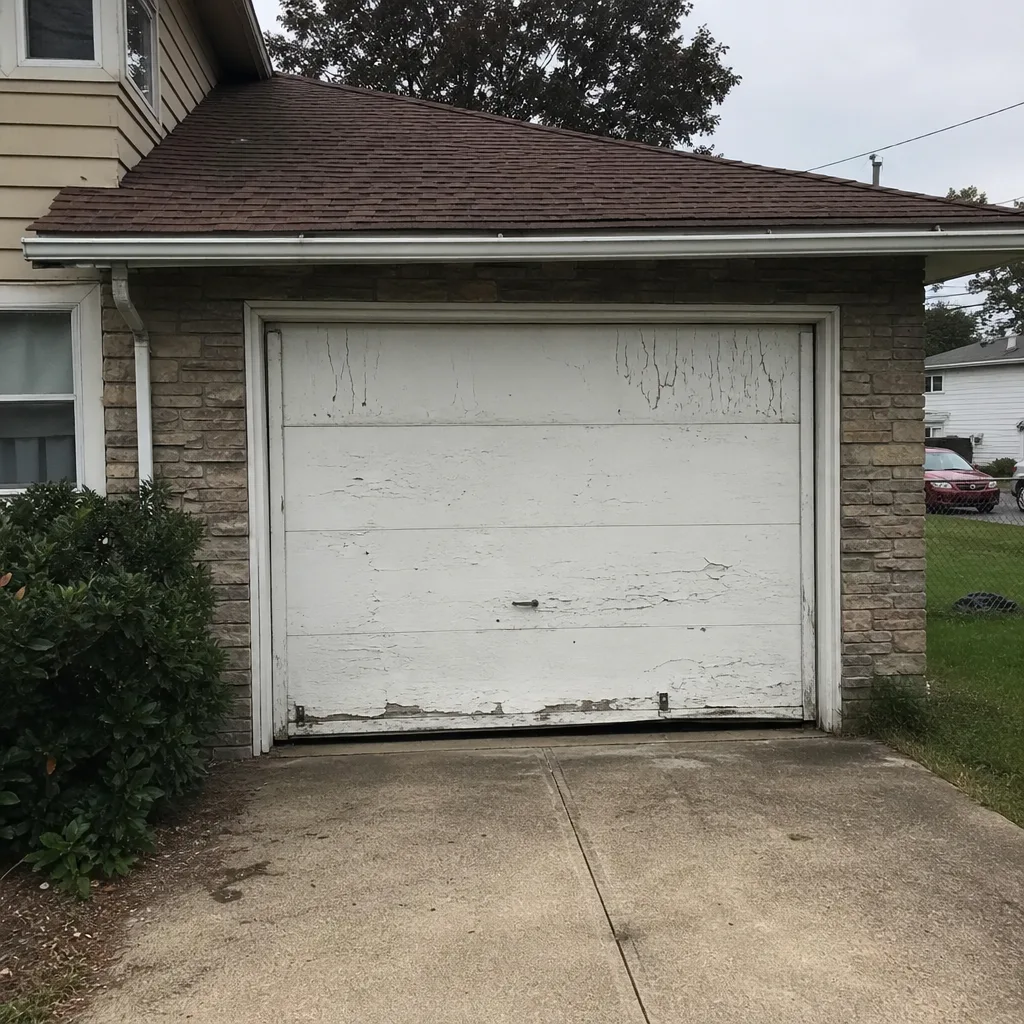 Before
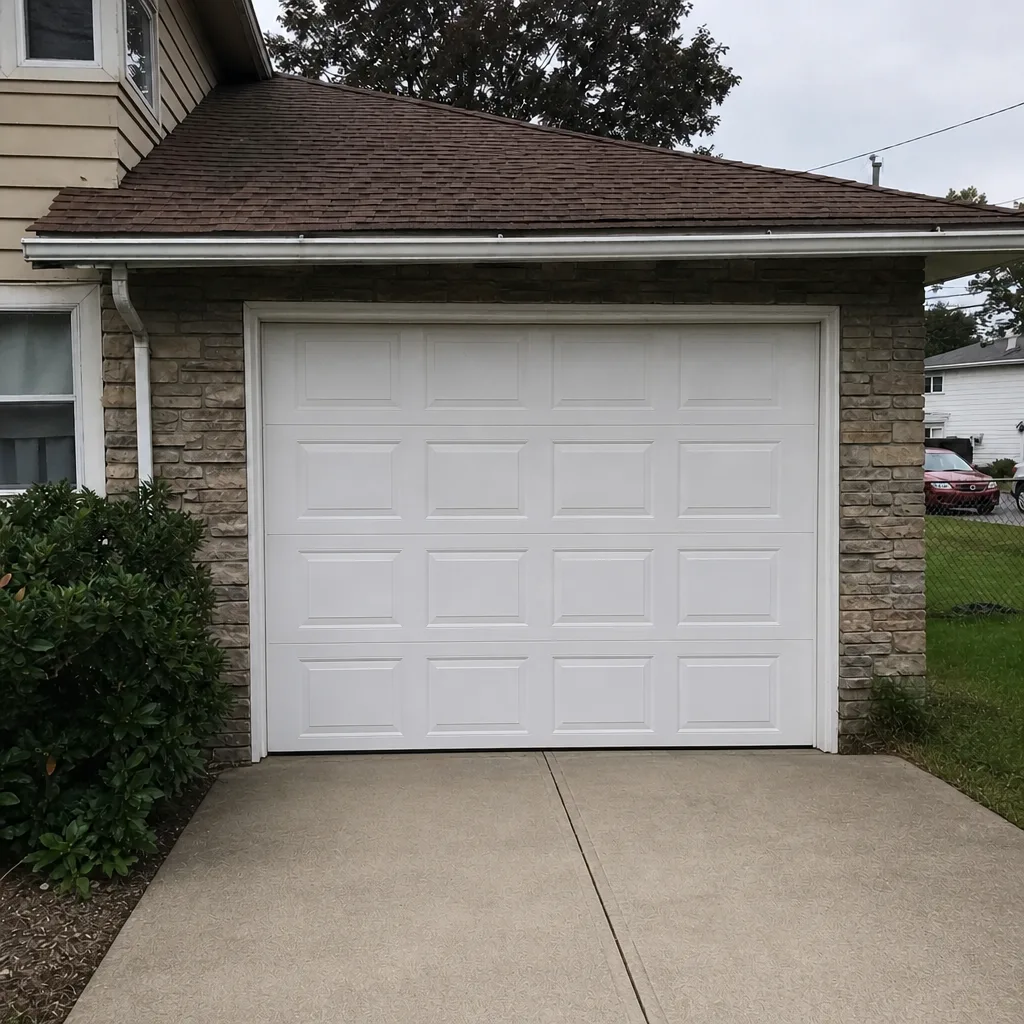 After
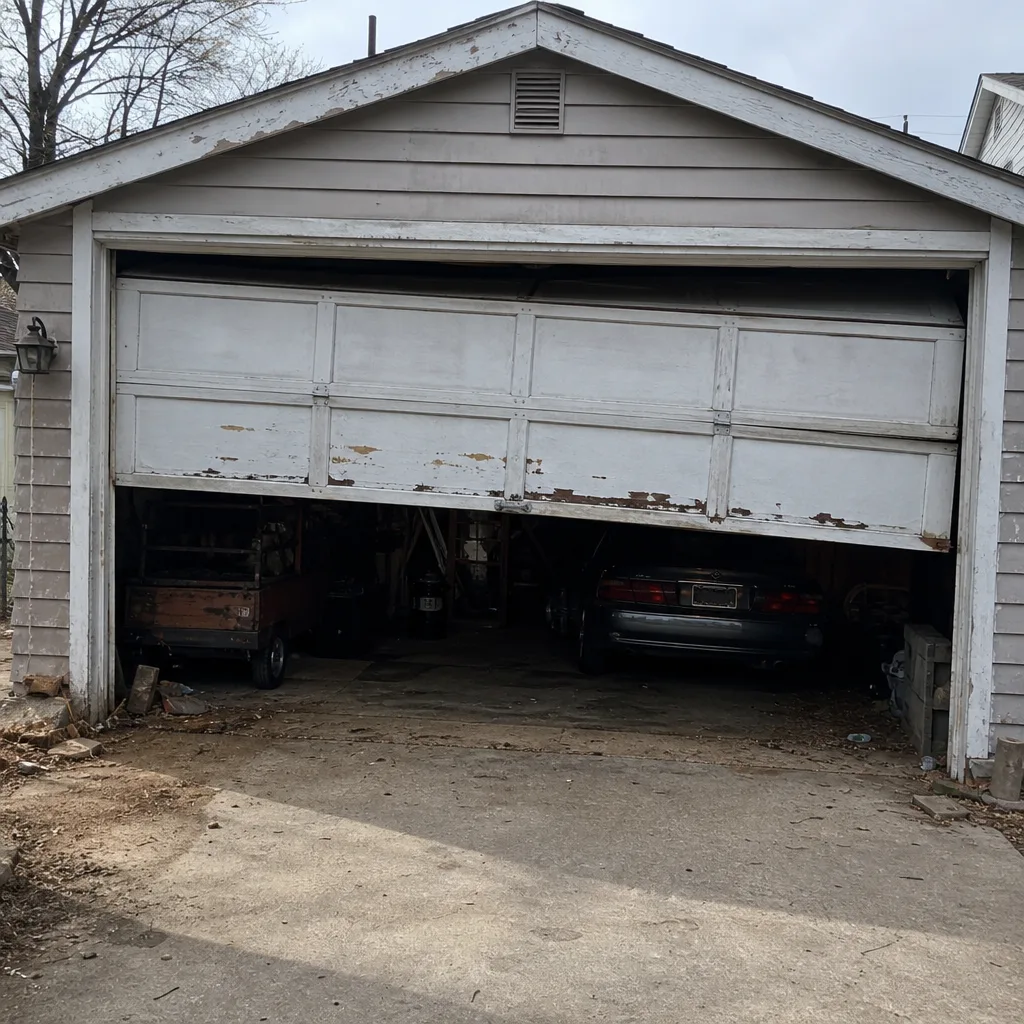 Before
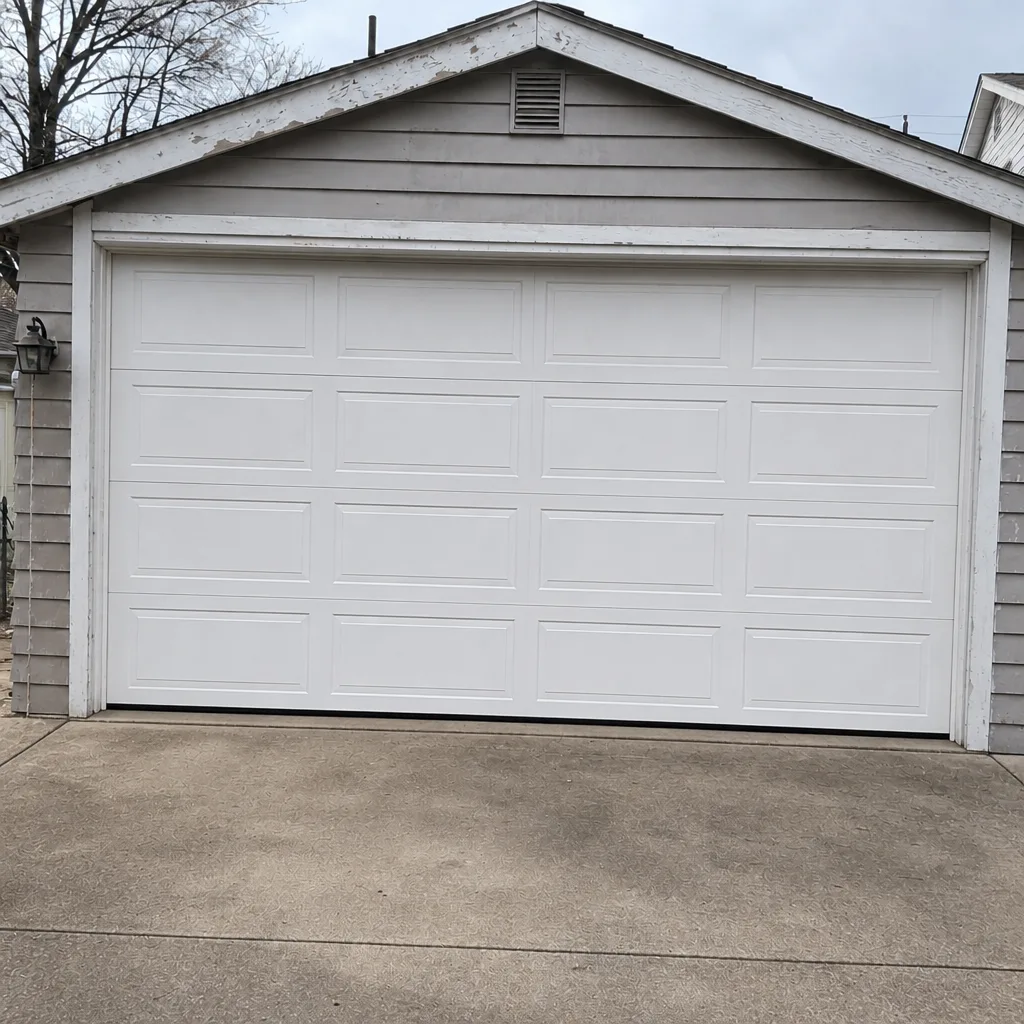 After
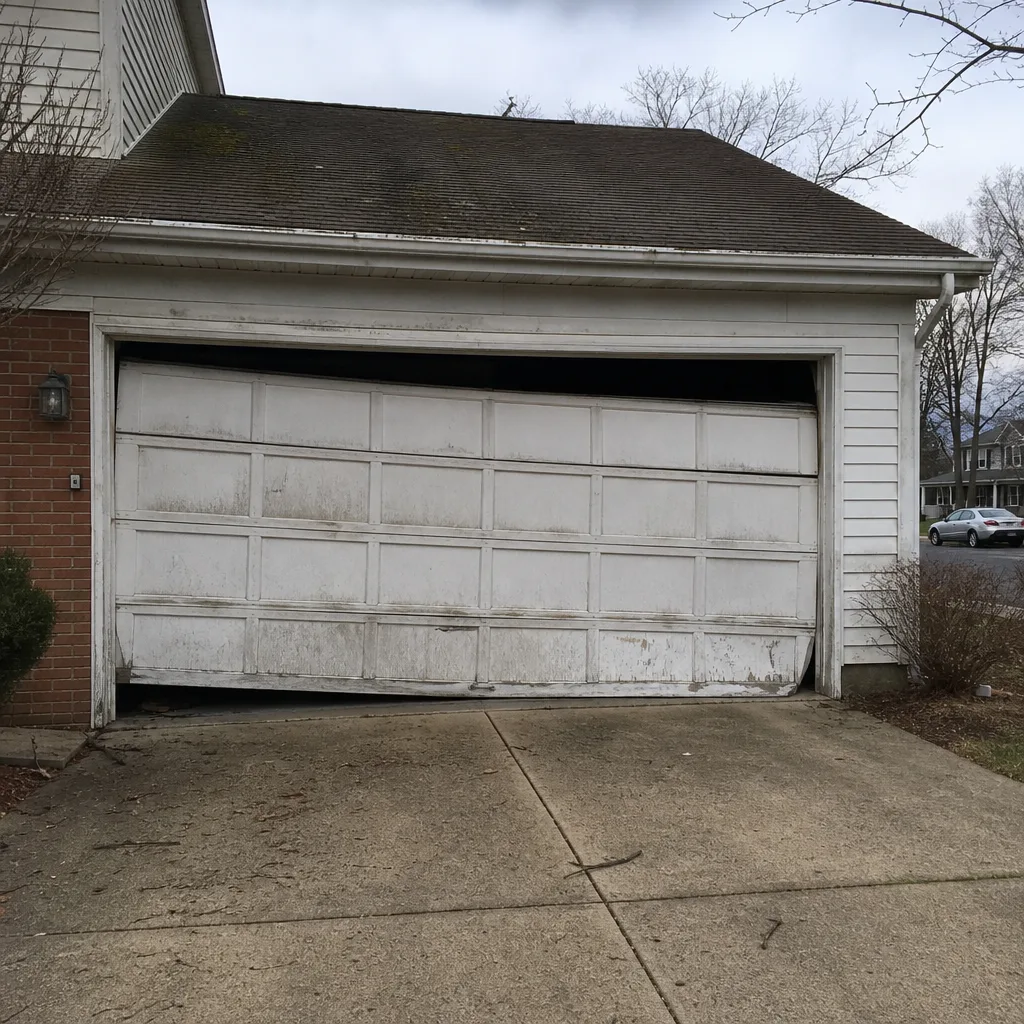 Before
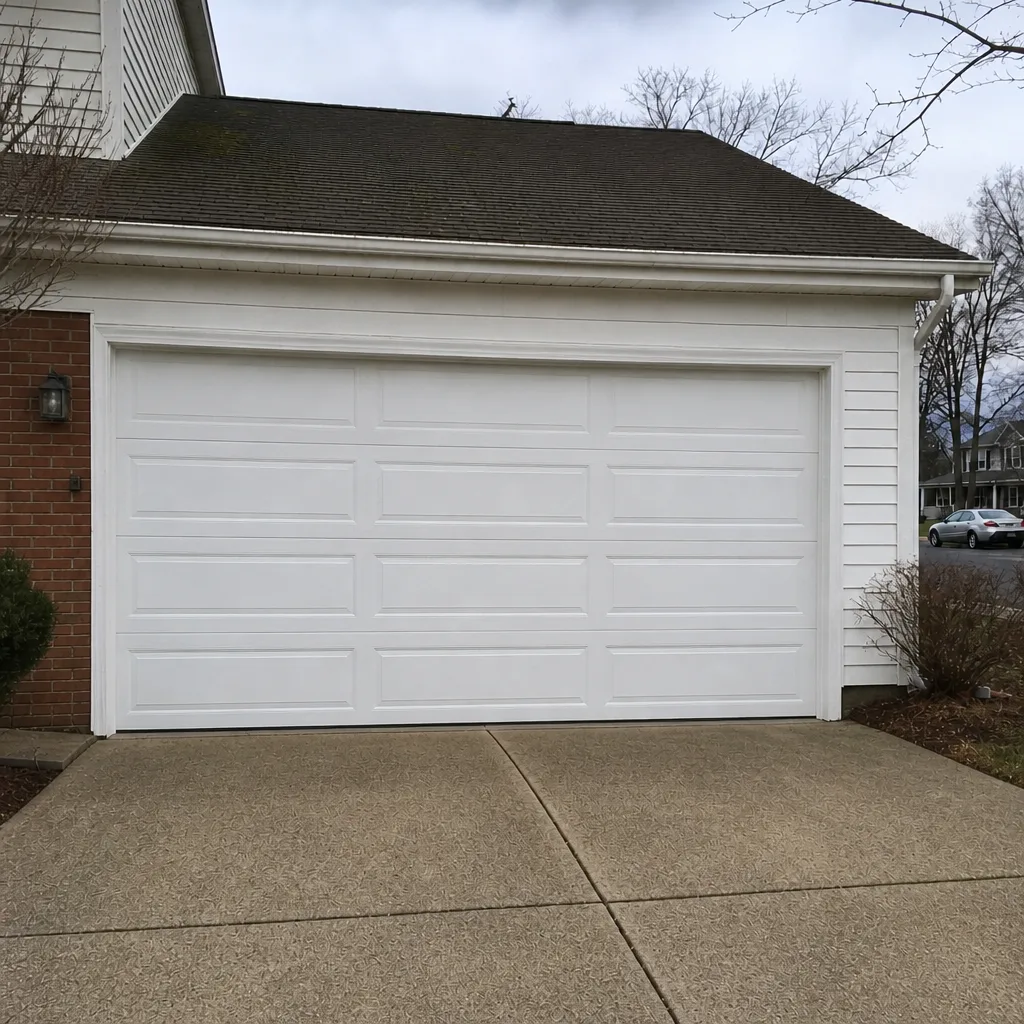 After