Last updated November 21, 2026
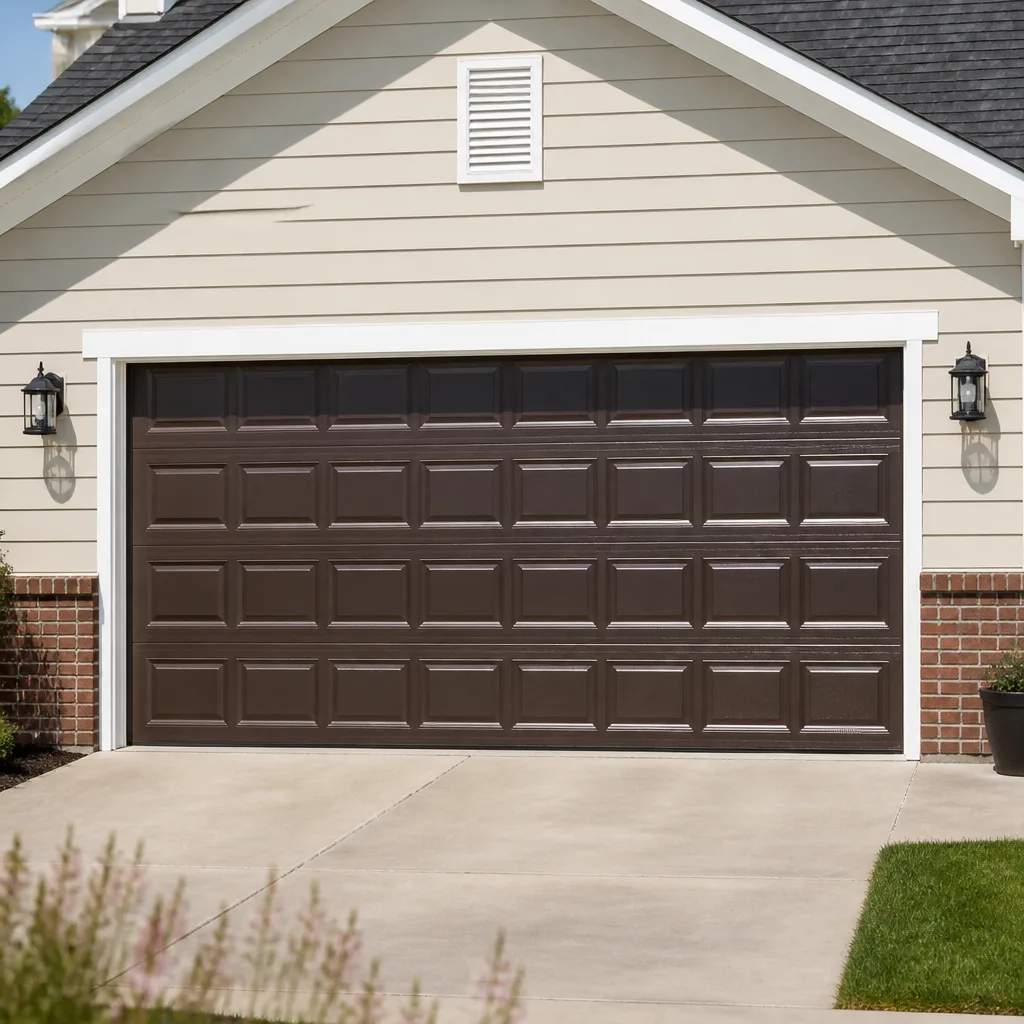 Raised-panel steel
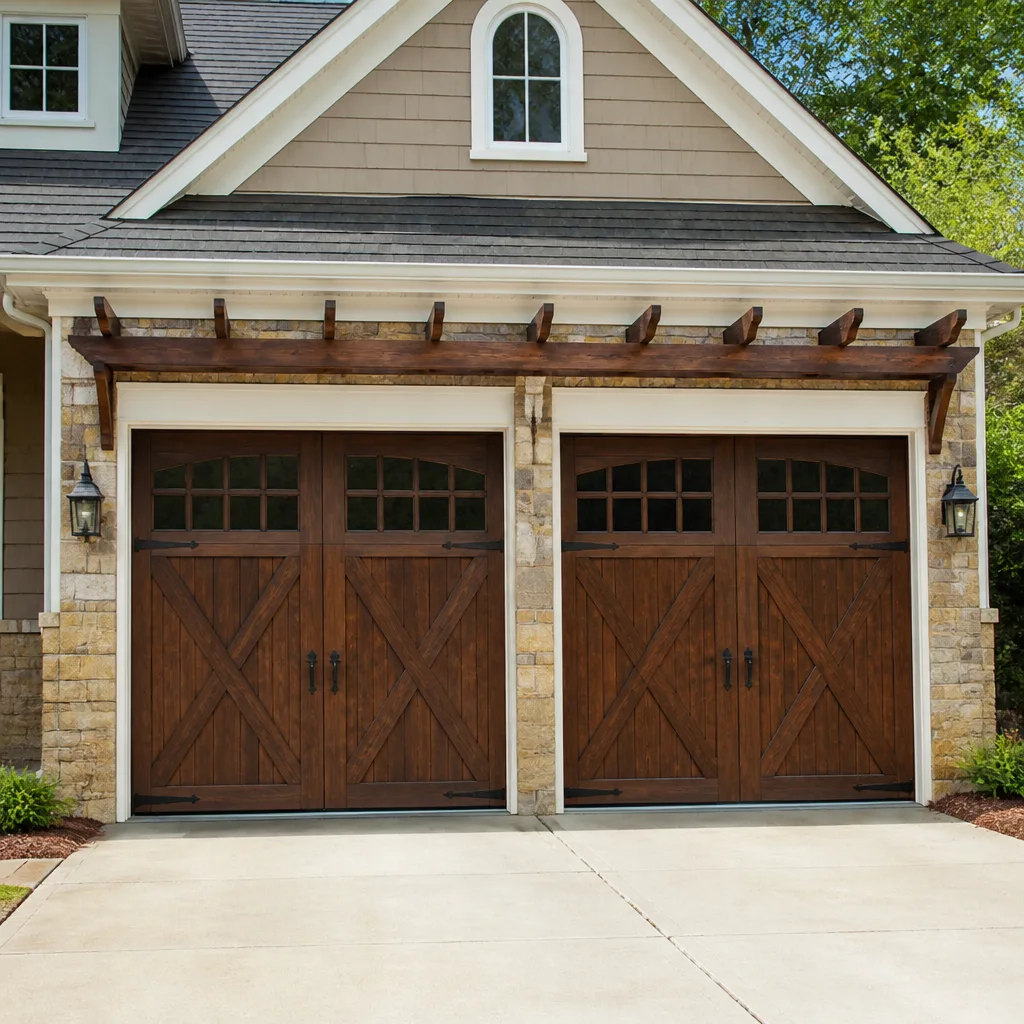 Carriage house
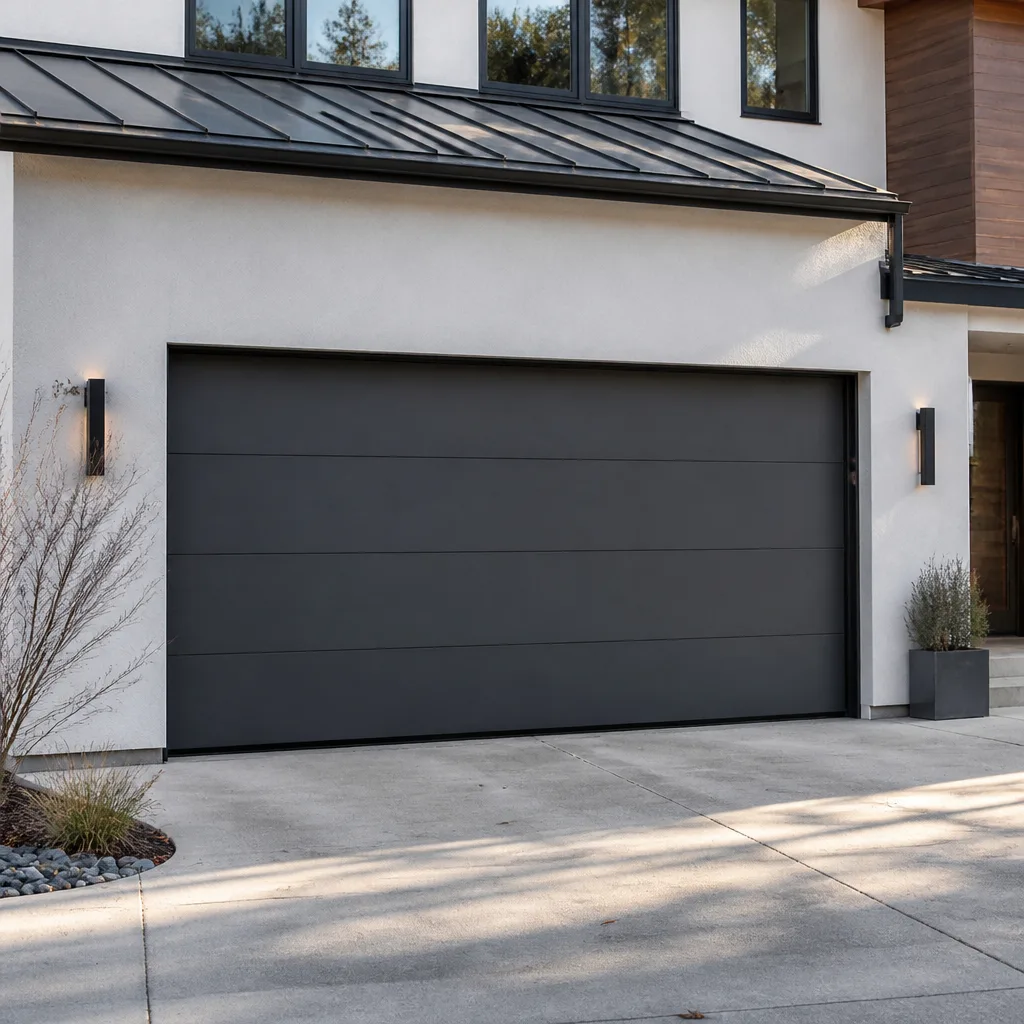 Modern flush
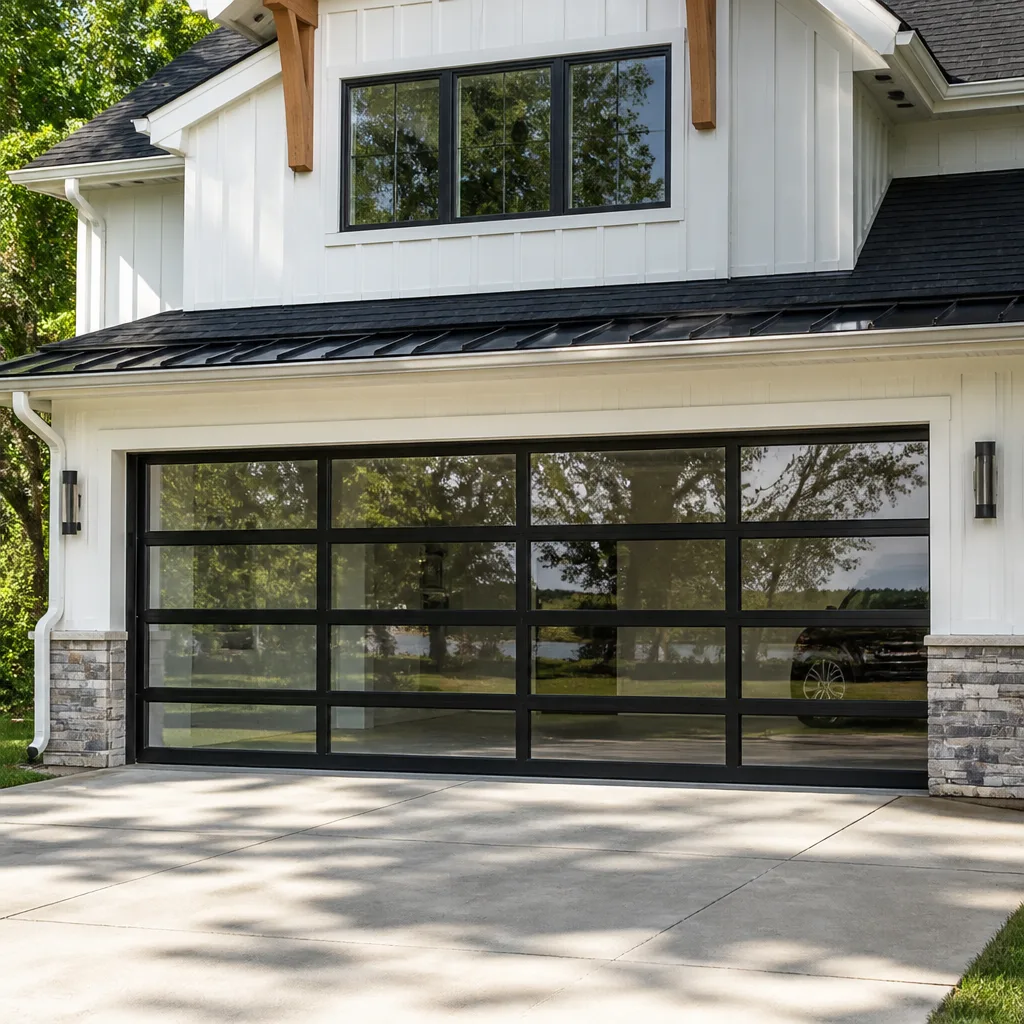 Full-view glass
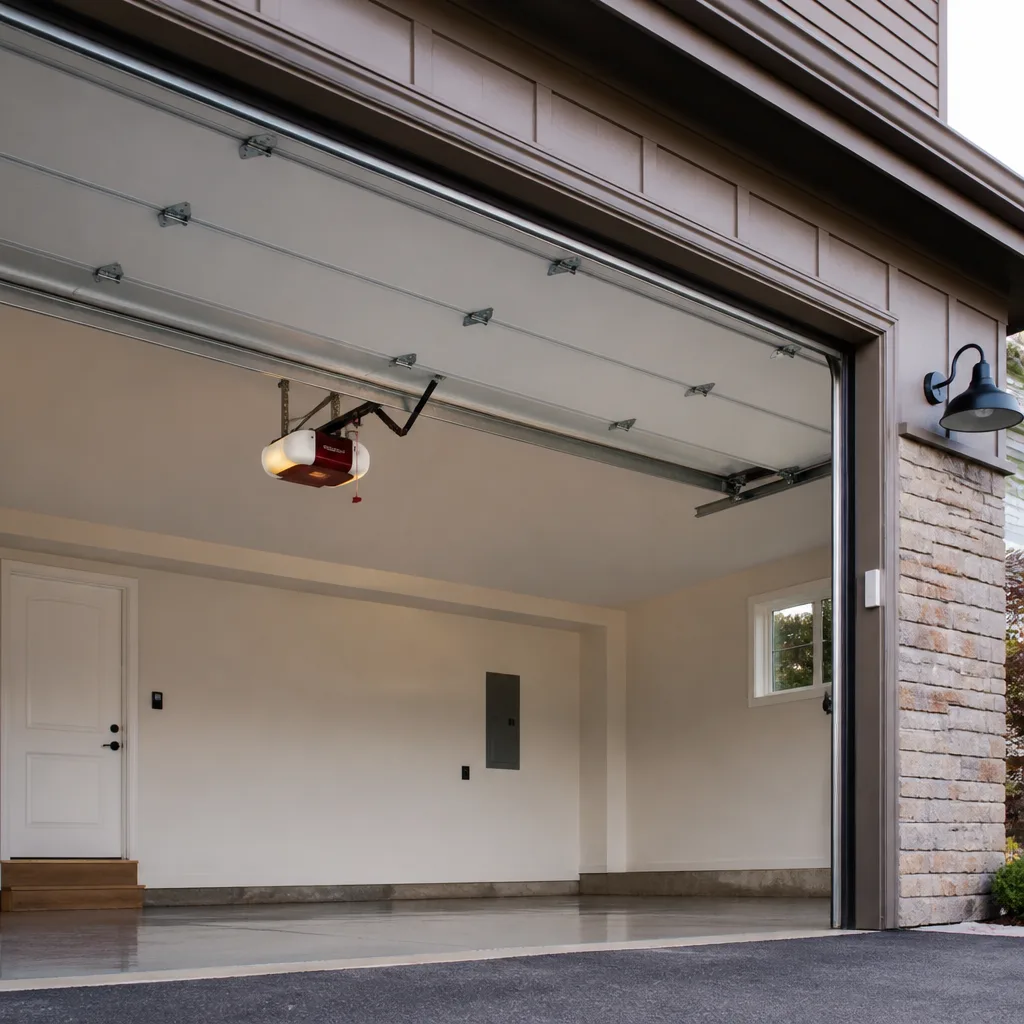 LiftMaster openers
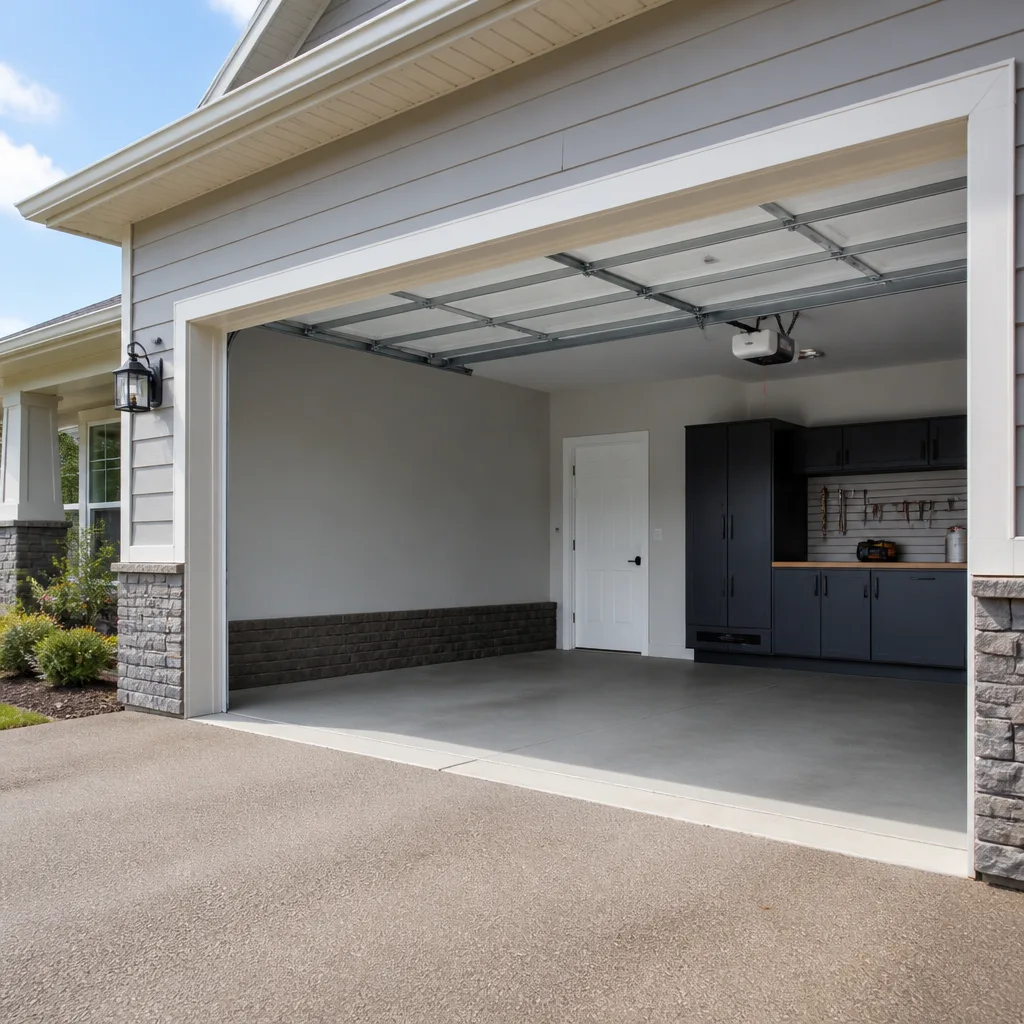 Chamberlain openers
Full 25-point door and opener safety check with every visit - springs, cables, rollers, tracks, and your LiftMaster or Chamberlain opener included
You get a price before we start. It does not change when the pro arrives.
Get your free estimateChoosing the Right Garage Door Brand: A Buyer’s Guide for Greenville
The most-advertised garage door brand and the best garage door brand for a Greenville winter are not automatically the same thing. Buying a door is not buying a name. Brand reputation is real, but it tells you almost nothing about whether the specific model you’re being quoted will hold up when temperatures swing from a humid 90s August to a hard January freeze and back again, dozens of times a season. The same manufacturer builds entry-level doors and premium doors, and the difference between them matters far more than the logo on the box. What follows is a brand guide built around how a door actually performs in Greenville, NJ: insulation and steel gauge first, brand second.
Quick Answer
The best garage door brand for Greenville, NJ is whichever brand’s mid-to-upper tier gives you the right insulation R-value and steel gauge for a freeze-thaw climate, matched to your opener’s compatibility, at a price that comes with written warranty terms you can read. No single brand wins across every budget. Clopay and Amarr lead on insulation and design flexibility, Wayne Dalton and Raynor build solid value options with different warranty structures, and LiftMaster, Chamberlain, Genie, and Craftsman dominate openers. The configuration matters more than the label.
Styles & brands we work with
- Raised-panel steel
- Carriage house
- Modern flush
- Full-view glass
- LiftMaster openers
- Chamberlain openers
Table of Contents
- Climate First: What Greenville Winters Demand From a Door
- What to Choose Before You Choose a Brand
- How the Major Brands Actually Compare
- Warranty Terms Vary Inside the Same Brand Family
- Curb Appeal and Greenville Home Styles
- Questions That Reveal How a Dealer Is Recommending
- Matching a Door to Your Opener Brand
- The Step-by-Step Buying Process
Climate First: What Greenville Winters Demand From a Door
Greenville sits in the northeastern corner of New Jersey, and the climate there is a problem for garage doors in one specific way: freeze-thaw cycles. Water gets into seams, condensation gets into uninsulated assemblies, and then the temperature drops and it all refreezes. Over a season, that cycle stresses the door’s joints, hinges, bottom seal, and torsion springs more than any single cold snap ever would. A door that looks fine in a showroom catalog can struggle in Greenville if it’s built for a milder climate’s performance expectations.
Two specs matter before brand enters the conversation:
- Insulation R-value. An uninsulated steel door is basically a thermal short circuit attached to the side of your house. For a heated garage or one that shares a wall with living space, a higher R-value door is the difference between a garage that stays usable in winter and one that doesn’t. Double-gauging the door’s insulation is one of the single most cost-effective upgrades in the category.
- Steel gauge. Lower gauge number means thicker steel. Thicker steel resists the oil-canning (dent-style buckles) that thinner panels develop over time, and it holds its shape better through moisture cycling. A premium door in 24- or 25-gauge steel is meaningfully more durable than the same brand’s mid-tier 27- or 28-gauge options.
What else is specific to this area? Greenville summers run humid, and that humidity finds its way into every garage door assembly. Steel that’s thin, backed by minimal finish, and installed with loose weatherstripping tends to show rust at the bottom edge sooner than a thicker door with better factory sealing. The right door for Greenville is one that assumes both extremes of the year are coming, not one that only plans for cold. We’ve seen this pattern again and again in our work across the area, and it’s why our garage door installation conversations always start with insulation and gauge rather than with the brand name on the door.
What to Choose Before You Choose a Brand
Before any brand enters the discussion, four specs get locked in. If a dealer leads with a brand name instead of these, that’s a sign the conversation is upside down.
- Door type. Sectional steel, carriage-house style, wood, aluminum-glass? That’s a design and function decision. Brand doesn’t matter yet.
- Insulation R-value. Plan for the highest insulation tier your budget supports if the garage is heated, attached to living space, or used as a workspace during Greenville winters. For a detached, unheated garage, a mid-tier insulated door may be enough.
- Steel gauge. Set a floor: thinner panels than that will buckle sooner. Lower gauge equals thicker equals more durable, and the difference shows up over years, not months.
- Size and track configuration. Standard 7-foot or 8-foot height? Low-headroom or standard headroom? Does the door need a high-lift or low-clearance track for how the ceiling is built?
Only once those are set does brand make sense. And when brand comes in, it enters as a question of which manufacturer produces the specific configuration you need, in your budget tier, with a warranty you can live with. A brand-recognized name in the bottom of a manufacturer’s price ladder is not the same door as that same brand’s premium model, even if the sticker price ranges overlap with a competitor’s mid-tier product. Buyers who lock in brand first frequently end up paying premium money for an entry-level door because the brand got them in the door and the configuration conversation never happened. This is the single biggest structural mistake we see in Greenville.
How the Major Brands Actually Compare
An honest brand comparison doesn’t crown a winner. It places each brand where it actually earns its price. Here’s a working view, based on the brands we work with every week.
Clopay
Clopay covers the widest range from entry-level steel to high-end carriage house and insulated premium lines. The premium lines are genuinely good for cold-climate performance, and the brand offers a deep catalog of styles for Greenville homes. The caution: Clopay is easy to find at low price tiers, and those tier doors are not the doors the brand’s reputation is built on. A Clopay name on the side is not a guarantee of premium insulation or thicker steel. Read the model number, then read the spec sheet.
Amarr
Amarr is a strong choice for insulation and design at mid-to-upper tiers, and builds some of the most economical entry-level doors in the market. The brand’s insulated options are competitive, and its style range is deep. The same rule applies: the entry-level Amarr line and the premium Amarr line are different products, and only one of them has the insulation rating most attached-garage buyers actually want.
Wayne Dalton
Wayne Dalton has carved a niche in thermal performance and quiet operation, and its mid-tier insulated options often undercut premium-tier competitors on spec-per-dollar. Where the brand has caught some flak over the years is on certain specific product lines and parts availability; the way to be safe is to ask your dealer which model line they’re proposing and what the parts chain looks like. For a typical Greenville attached garage, a mid-tier Wayne Dalton insulated door is a solid, defensible choice.
Raynor
Raynor is a professional-grade brand that sells through a dealer network rather than box stores, and that’s both its strength and its limitation. The strength: consistent build quality and short supply chains for parts. The limitation: you need to buy through a dealership, so you’re buying the dealer’s judgment along with the door. Raynor’s insulated lines hold up well in a freeze-thaw climate, and the brand is a good pick if you value the manufacturing consistency and can find a dealer with the right configuration.
Craftsman
Craftsman is best known on the opener side and sells heavily through the retail channel. On doors, the Craftsman name mostly appears as a legacy label, and in practice the same performance questions apply: read the actual insulation and gauge specs rather than trusting the brand name to mean “premium.”
Where each brand cuts corners at mid-price
- Insulation thickness. Mid-tier doors often have thin polyurethane or polystyrene cores rated at less than half the top-tier R-value. On paper it’s a small difference; on a January Greenville morning it isn’t.
- Steel gauge. Thinner steel cuts cost fast. It also buckles faster, and once a panel is dented or oil-canned, the fix is panel replacement, not a cosmetic touch-up.
- Hardware and weatherstripping. Cheaper hinges, thinner bottom seals, and basic rollers. These wear out quickly in freeze-thaw conditions, which is where the real long-term cost hides.
- Paint and finish. Mid-tier doors often come in fewer colors and with thinner factory finishes, which means better odds of rust at the bottom edge near the concrete.
Warranty Terms Vary Inside the Same Brand Family
This is where buyers get burned most quietly. A brand’s warranty is not one document. It’s a set of documents, and which one applies depends on which model tier you bought and sometimes which component you’re claiming on. Clopay, Amarr, Wayne Dalton, Raynor and Craftsman all publish multi-tier warranties where the entry-level door gets a shorter, thinner-coverage warranty and the premium door gets the long one. Top-tier doors from some brands run to limited lifetime for as long as you own the home; entry-level tiers can be a handful of years on the same brand.
Before you sign, ask for the actual warranty document for the specific model you’re being quoted, and read these five things:
- Coverage length by component. The door panel, the springs, the hardware, the weatherstripping, and the opener (if bundled) each have their own term. Ask for each separately.
- Labor versus materials. Many warranties cover the replacement part but not the labor to install it. Five years of coverage on a $30 hinge doesn’t help much if installation costs twenty times the part.
- Pro-rated versus full replacement. Some “limited lifetime” warranties pro-rate coverage, meaning year 10 pays out a fraction. Find the language.
- Transferability. Some brands let the warranty transfer to the next homeowner once; others don’t. If you plan to sell, this affects the door’s value at resale.
- What voids it. Painting the door the wrong way, installing an improper opener, or using non-factory hardware can all void partial coverage. Get it in writing before work begins.
The takeaway for Greenville buyers is simple: brand doesn’t guarantee warranty. Model tier and the fine print do. A mid-tier door from a brand with a well-documented, transferable warranty can beat a premium-tier door from a different brand whose warranty has been narrowed in the fine print.
Curb Appeal and Greenville Home Styles
The garage door is the largest moving object on a house, and on many Greenville homes it’s also the largest visual surface on the front elevation. Getting the look right matters as much as the spec sheet, though most buyers underweight it. Here’s how to align design with the dominant local housing stock.
- Colonial, split-level, and bi-level homes. Greenville’s housing stock leans heavily toward these styles, and the right door choice for all three is a classic raised-panel design in a color that echoes the trim or the shutters. Skip the bold modern geometric looks; they fight the architecture.
- Tudor and older brick homes. Carriage-house style doors with decorative hardware read as period-appropriate. Glass-top sections on a carriage design can work, but they’re a bad insulation choice unless they’re double-pane and insulated, which cuts into winter performance.
- Ranch and mid-century homes. A clean, low-relief panel design in a warm gray or muted tone looks sharper than ornamentation. Long, horizontal panel lines emphasize the house’s proportions.
- Newer builder homes. Simpler raised-panel or short-panel doors, in a color that leans toward the trim rather than the siding, generally photograph better from the street.
Material note: vinyl-backed steel is the practical default for Greenville’s climate, because it doesn’t take on moisture or need annual repainting the way a wood door does. Wood doors look great, but the maintenance cycle in a freeze-thaw climate is real. Composite and aluminum-glass are worth a look for specific architectural styles, but they’re the exception, not the rule. When we walk through garage door repair options with a homeowner, curb appeal decisions usually pair with a practical spec check for exactly this reason: a beautiful door that rusts at the bottom in four years isn’t a win.
Questions That Reveal How a Dealer Is Recommending
The fastest way to find out whether a dealer is recommending based on your home or their margins is to ask a handful of pointed questions. Listen to whether the answers are specific to your garage or generic to the catalog.
- “What’s the R-value and steel gauge on the model you quoted?” If they can’t tell you immediately, the recommendation wasn’t spec-driven.
- “Why this model and not the one above or below it in the same line?” A good answer explains the trade-off. A weak one (“it’s the most popular”) tells you they’re selling you their stock, not your fit.
- “Which manufacturers build the door you’re proposing, and which model line is it?” If the answer is just a brand name and nothing else, they’re using the logo instead of the spec sheet.
- “What’s the warranty document for this specific model?” If they can’t produce it before you sign, don’t sign.
- “What’s the typical install time and what’s the lead time on this configuration?” A dealer who knows their supply chain will give you a straight answer. A vague one suggests they’re selling whatever ships next.
- “Does the price include removal and disposal of the old door, opener remount, and hauling?” Ask for a line-item written estimate and insist on it before work starts.
- “What’s the actual track and spring configuration you’re planning?” A dealer who has actually measured your garage will name a specific configuration; one who hasn’t will stay abstract.
Greenville buyers should treat these as screening questions, not interrogation. A good dealer answers all of them in a few minutes. A dealer who hedges, redirects, or talks about brand reputation as a substitute for spec is telling you something about how they work.
Matching a Door to Your Opener Brand
Brand pairing isn’t a rule, but it’s worth thinking through. LiftMaster and Chamberlain are the two dominant smart-home brands, share the myQ ecosystem, and pair cleanly with most modern sectional doors. Genie remains a common choice and a legacy standard; Craftsman openers (made in the same factories as some Chamberlain models) still run in plenty of Greenville garages. If your opener is older, the door weight and insulation level can determine whether your existing opener is adequate at all; a heavier insulated door can overload an underpowered unit even when the opener is technically “compatible.”
The opener side of the decision is where our garage door opener repair experience comes in most. When a homeowner is replacing a door, we check the opener’s capacity against the new door’s weight before we ever pick a model, because a mismatched opener is one of the fastest ways to shorten the door’s life and the opener’s. LiftMaster and Chamberlain systems are the easiest pairing for smart-home control; Genie and Craftsman often work perfectly well but may limit smart-home features unless you upgrade. Tying the two decisions together avoids the scenario where you buy a great door and it fights your opener for years. Our techs have up to 11 years of experience working on both sides of that pairing, and the equipment we work with includes all eight major brands: LiftMaster, Chamberlain, Genie, Clopay, Amarr, Wayne Dalton, Craftsman, and Raynor.
The Step-by-Step Buying Process
Here’s the full sequence to work through, from decision to install day.
- Measure and photograph the opening. Height, width, headroom, side room, and any obstacles in the ceiling. A dealer will measure again, but this step catches problems early.
- Set insulation and steel-gauge minimums. Write down the R-value and gauge you want before any dealer talks to you.
- Choose the style. Panel type, color, window configuration. Use the Greenville home-style guide above as a starting point.
- Get two or three written, itemized estimates. Same configuration specified to each dealer, so you’re comparing like with like.
- Request warranty documents for each proposed model. Read them side by side.
- Check opener compatibility. Confirm the door’s weight is within the opener’s rated capacity, or plan an opener upgrade with the door.
- Agree the price in writing, then schedule the install. Confirm lead times and removal/disposal terms are in the estimate. The written price is the price; nothing changes once the work begins.
Installation day itself is a separate concern. After install, expect to check the door’s balance, the opener’s force settings, and the safety reverse on the first cycle. Any good installer walks you through that. When we handle garage door repair and installation in the area, that final walk-through is where most questions get answered anyway.
Common Mistakes to Avoid
- Choosing the brand before choosing the spec. Lock in insulation R-value and steel gauge first. A recognized brand name on a low-tier door is not a quality signal.
- Assuming a brand’s premium model is the one being quoted. Verify the exact model line. Clopay, Amarr, and Wayne Dalton all make entry-level products under the same brand name as their best doors.
- Skipping the warranty document. In Greenville, the freeze-thaw cycle is the practical test of the hardware, so the hardware warranty matters more than the panel warranty. Read both, and check what voids them.
- Buying an uninsulated door for a heated or attached garage. Greenville winters will make the difference obvious in the first January. Insulation is a climate decision, not a luxury one.
- Ordering the wrong gauge of steel to save money. Thinner steel buckles sooner and the difference between a mid-tier and a premium door in a Greenville climate shows up in years, not months. The upfront savings tend to disappear into replacement cost.
- Mismatching your door weight to your existing opener. A new insulated door on an underpowered opener will strain both. Get the opener capacity checked before you commit.
- Choosing a style that fights the house. A bold modern design on a Greenville colonial reads as a mistake every time you pull into the driveway. Match the panel style to the architecture, not to a magazine photo from another climate.
See the difference
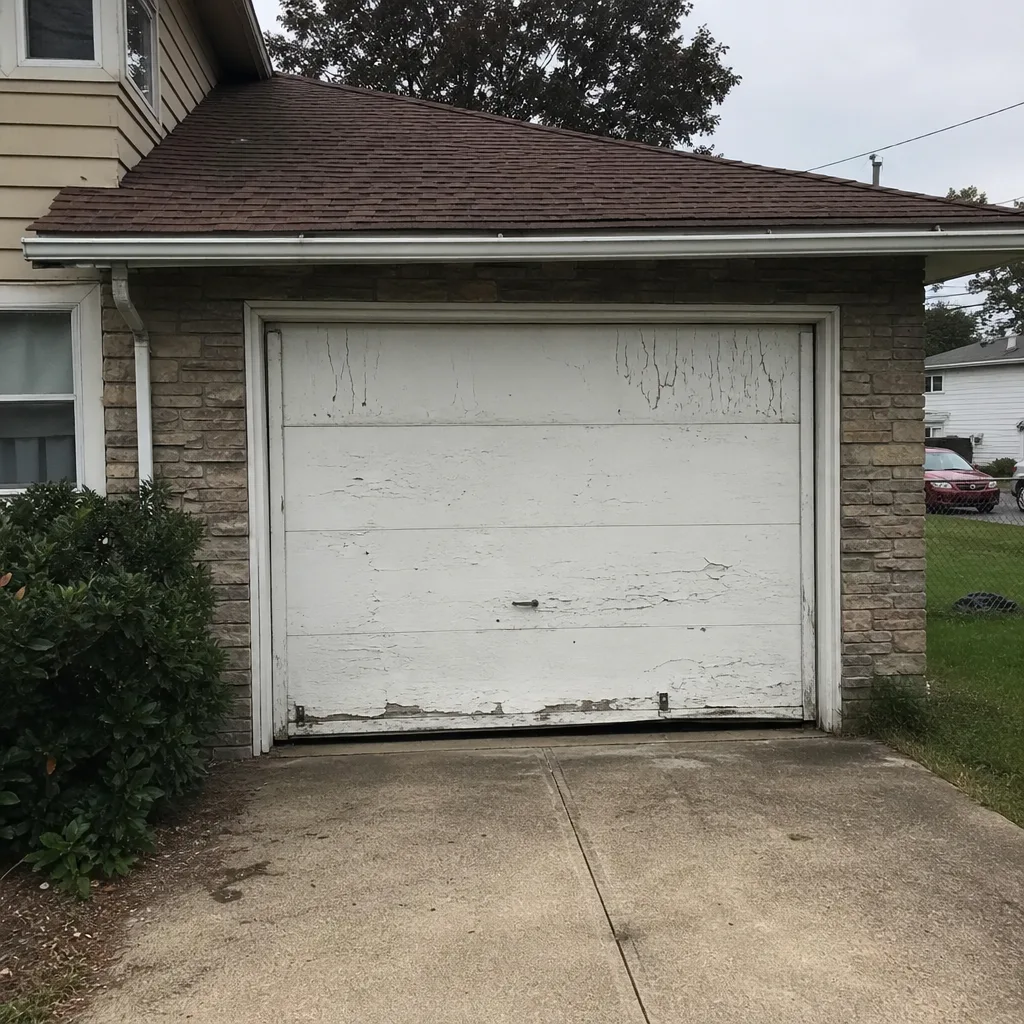 Before
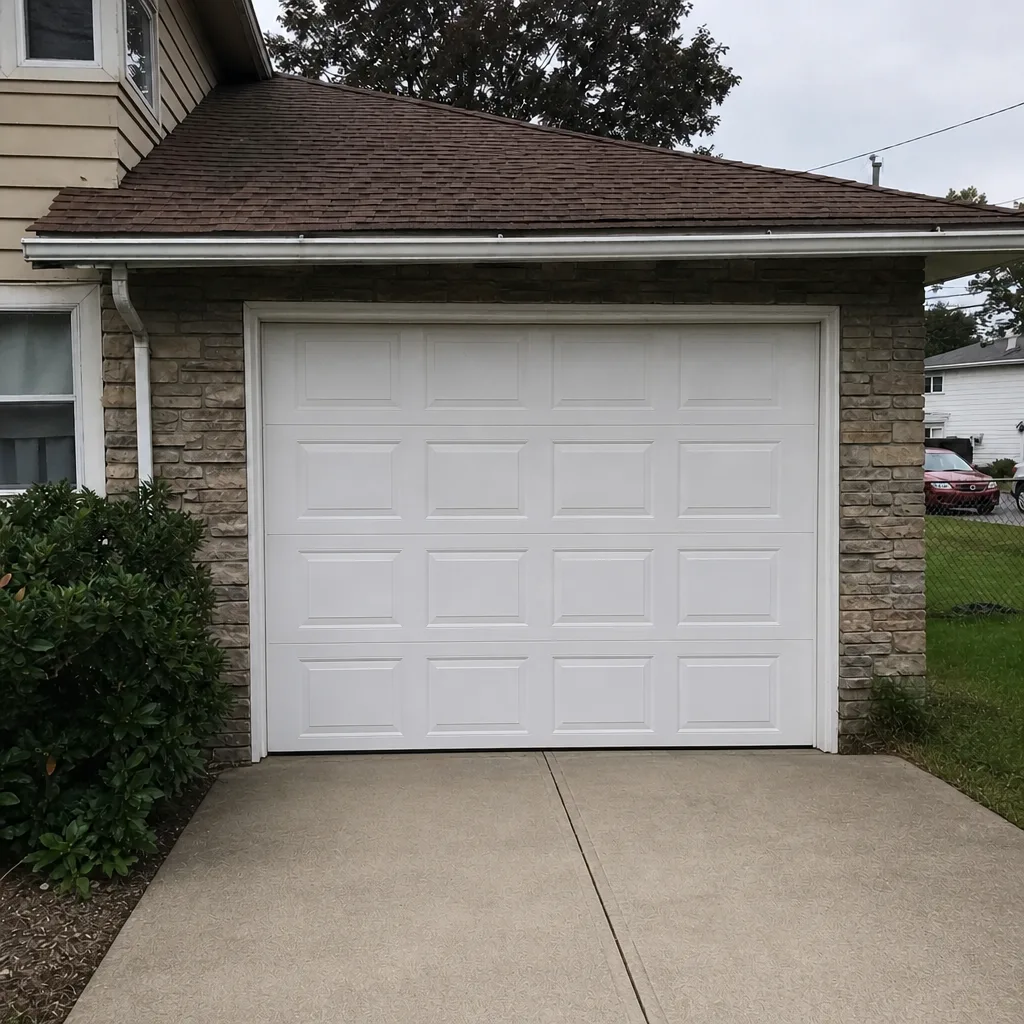 After
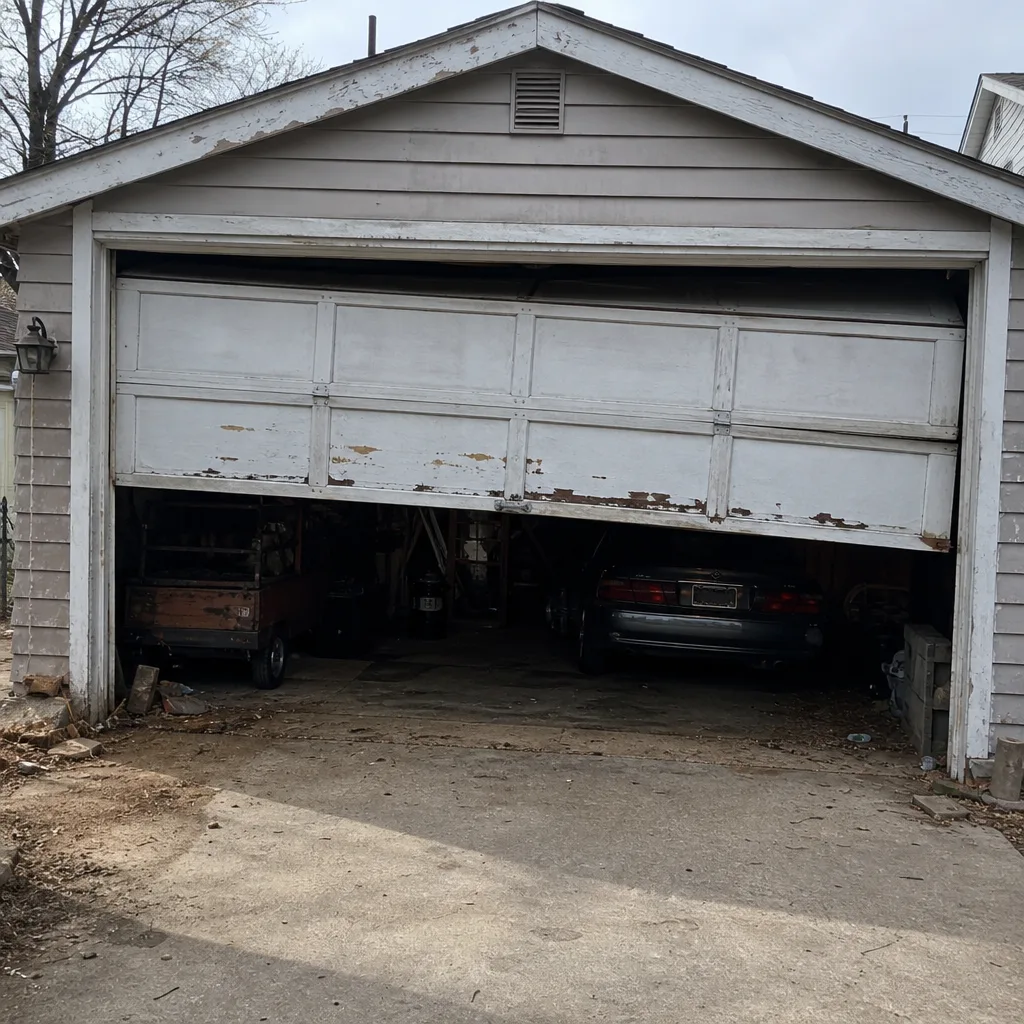 Before
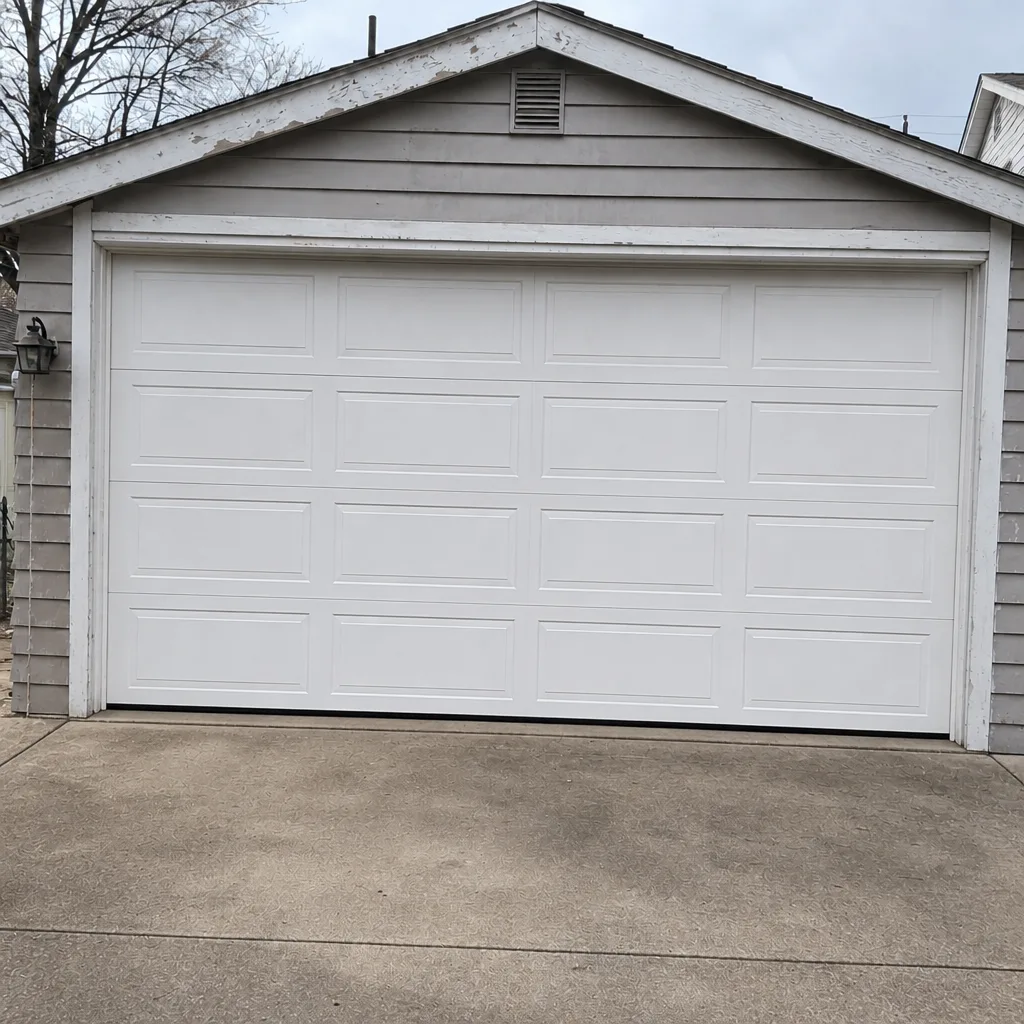 After
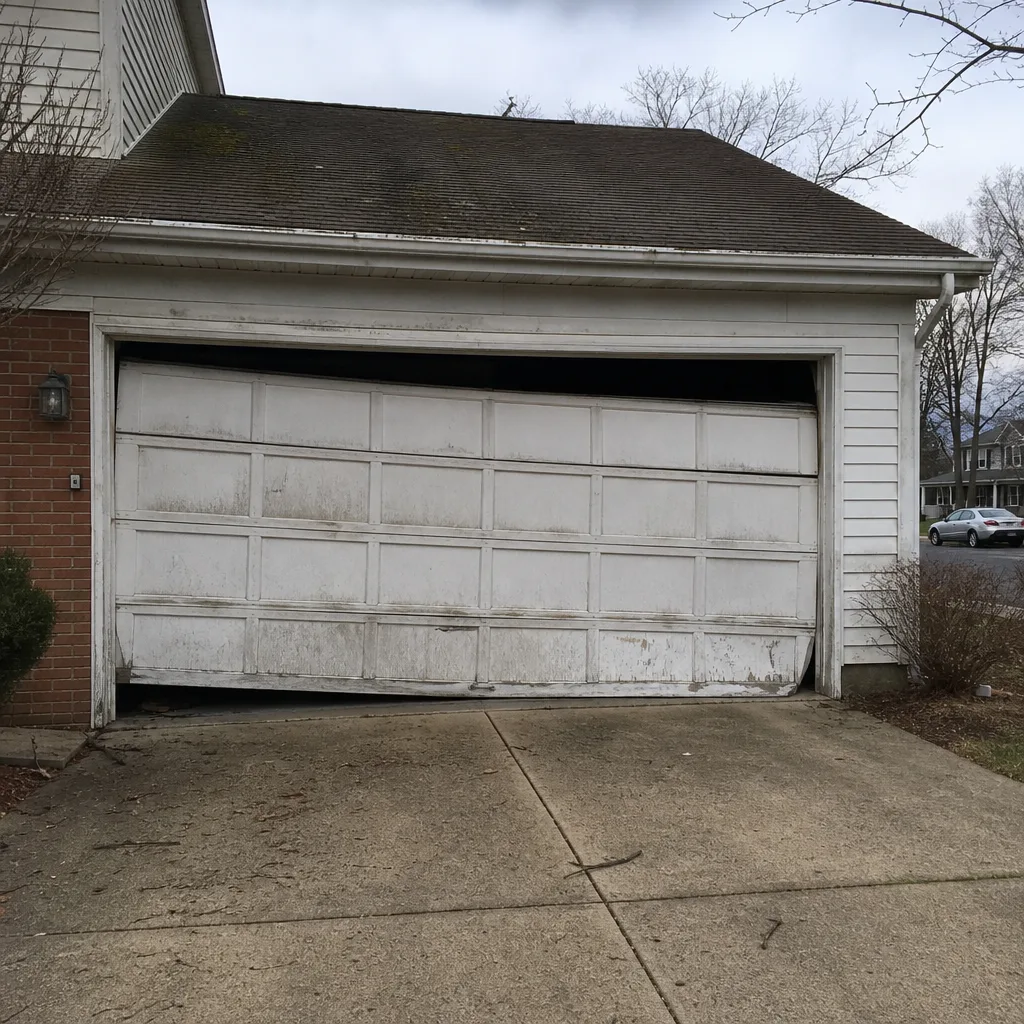 Before
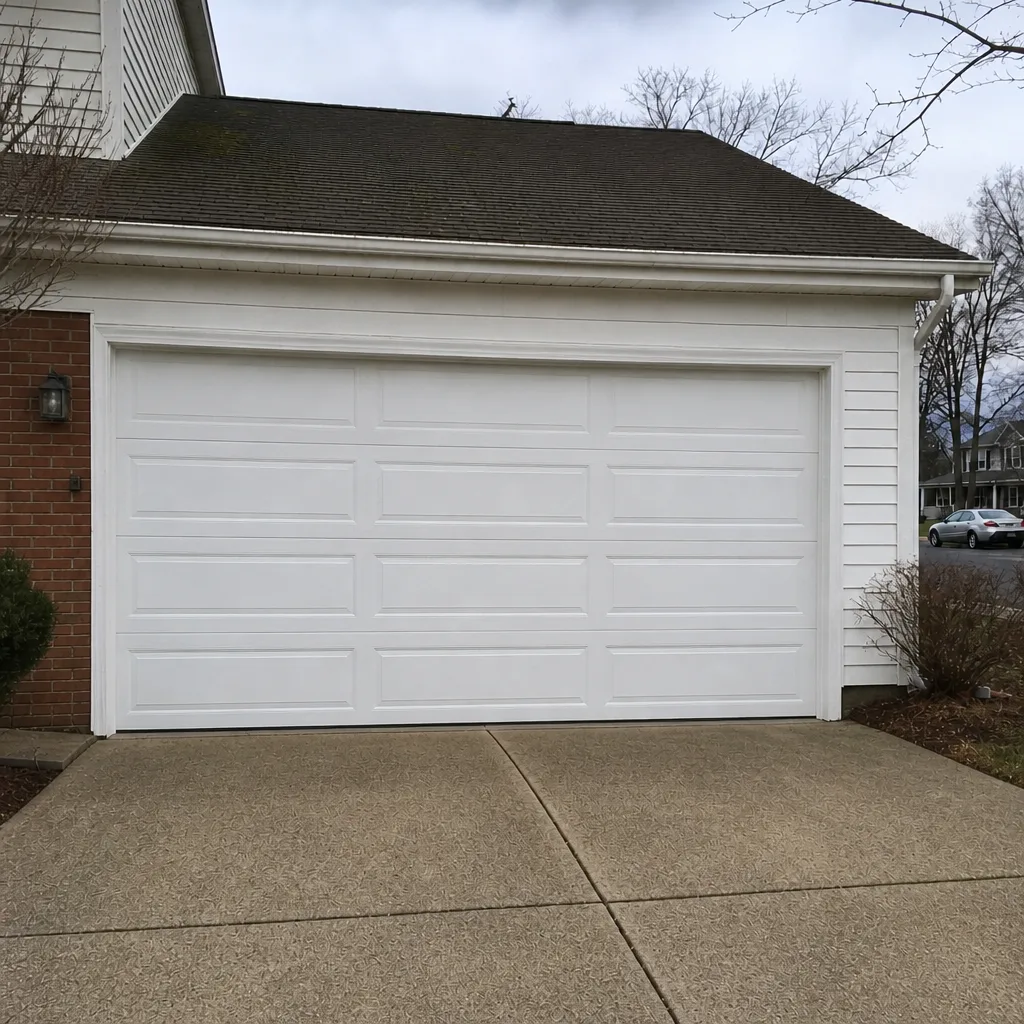 After
When to Call a Professional
Most brand decisions go wrong at two points: the dealer conversation and the installation. That’s where a trained garage door specialist earns their keep, and where jumping between a box-store purchase and a general handyman creates the most trouble. If your springs are making noise, your opener has stopped responding, or your door is showing rust at the bottom edge in a way that means panel or seal replacement, that’s a conversation worth having before you schedule a new door. Springs in particular are the highest-risk part on the door and should only be touched by a trained technician.
Greenville Garage Door Repair Pros offers free estimates in Greenville – call (855) 706-3964. We work on the eight major brands and can usually point to exactly which configuration makes sense for your home before you buy anything. If you’d rather have someone who specializes in the door and not the whole house, we can walk you through it. You can also start at our Greenville Garage Door Repair Pros home page to see the full range of what we handle.
Frequently Asked Questions
There is no single best brand. The best garage door brand for Greenville is the one whose mid-to-upper tier gives you the insulation R-value and steel gauge you need for a freeze-thaw climate, with a warranty document you can read and a dealer who measured your garage. Clopay and Amarr lead on insulation and design range; Wayne Dalton and Raynor build strong mid-tier insulated doors; Craftsman is mostly a legacy name on the door side. Configuration beats brand every time. Call (855) 706-3964 for an exact quote – estimates are free.
Both. Brand reputation reflects the manufacturer’s best product, not every product it makes. The same brand name can sit on an entry-level door with thin insulation and light steel, and on a premium door with double the R-value and heavier gauge. So brand matters once you know which model tier you’re looking at. It doesn’t substitute for the spec sheet. Verify the model number, the R-value, the steel gauge, and the warranty before deciding.
For a heated or attached garage in Greenville, aim for the highest R-value your budget supports, and treat thin-core mid-tier doors as a compromise, not a default. Uninsulated doors are fine for a detached, unheated garage that doesn’t share living space. The higher the R-value, the less your garage feels like a refrigerator in January and the less condensation you’ll see inside the assembly. Ask for the R-value on the specific model being quoted, not the brand’s average.
Ask for the warranty document for the exact model number you’re buying, not the brand’s general warranty overview. Then read the coverage length for each component (panel, springs, hardware, weatherstripping, opener), whether labor is covered, whether the warranty is pro-rated, whether it transfers to the next owner, and what voids it. Entry-level doors from a given brand usually get a shorter warranty than the premium line, even with the same brand name on the front.
Sometimes, but it’s a bad idea in most cases. The dealer’s role is partly to check that the door matches your track configuration, opener capacity, and garage dimensions before purchase. If something doesn’t fit or fails early, you’re the one holding the warranty and the installer. Buy through a professional who specifies and installs together, and agree the price in writing before work starts.
No. The written estimate is the price. We quote based on a real measure of your garage and the specific configuration you approve, and once it’s agreed, the number doesn’t move. If something unexpected turns up during removal or install, we talk it through with you before any extra work begins. Call (855) 706-3964 for a free estimate – the number you agree to is the number you pay.
The Bottom Line
Brand selection matters, but configuration selection matters more. The right door for Greenville is the one with the insulation R-value and steel gauge your climate and garage use require, matched to your opener, with a warranty document you’ve read and a dealer who measured before recommending. Clopay, Amarr, Wayne Dalton, Raynor, and Craftsman each have strong products and each have thin mid-tier ones; the brand name alone doesn’t tell you which you’re buying. Lock in the spec first, then pick the brand, then verify the fine print. If you want a second opinion on a configuration or a quote, we’re glad to help.
Written by the team at Greenville Garage Door Repair Pros.