Last updated November 21, 2026
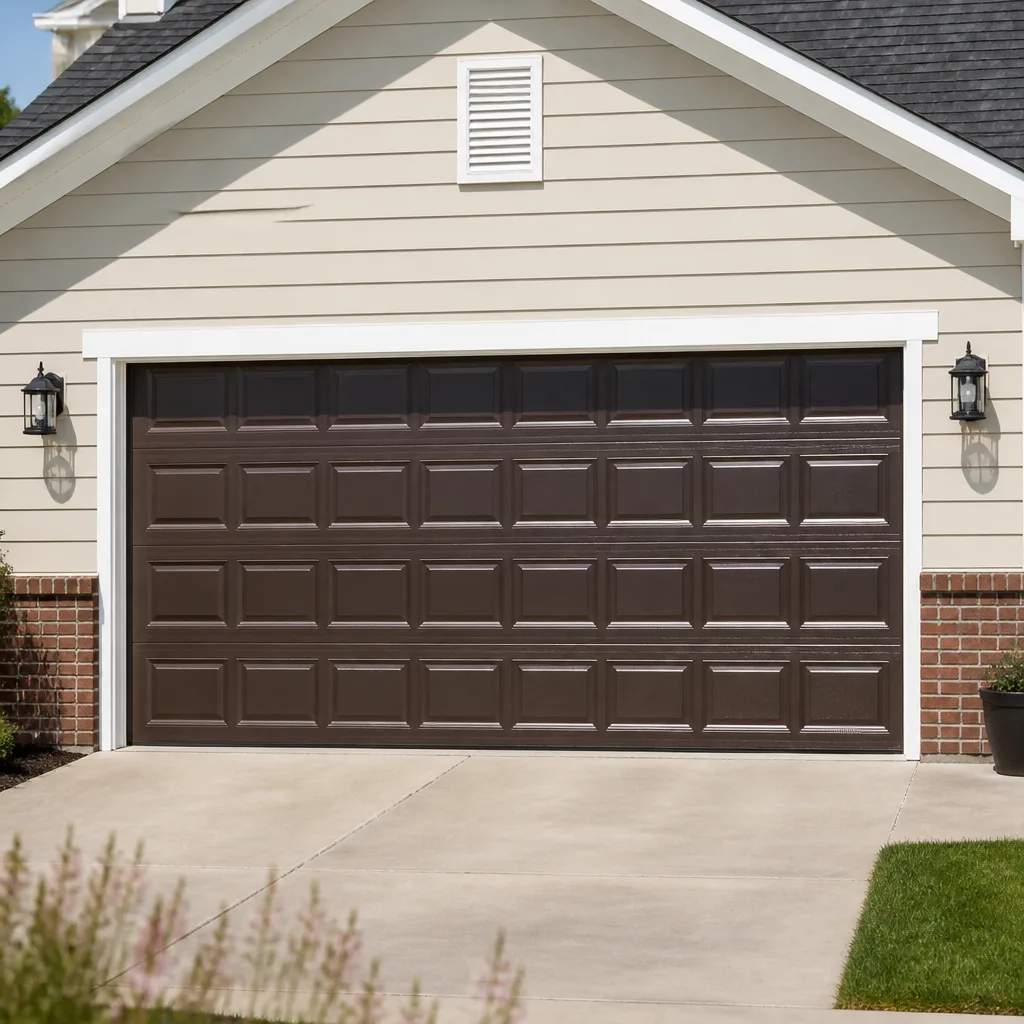 Raised-panel steel
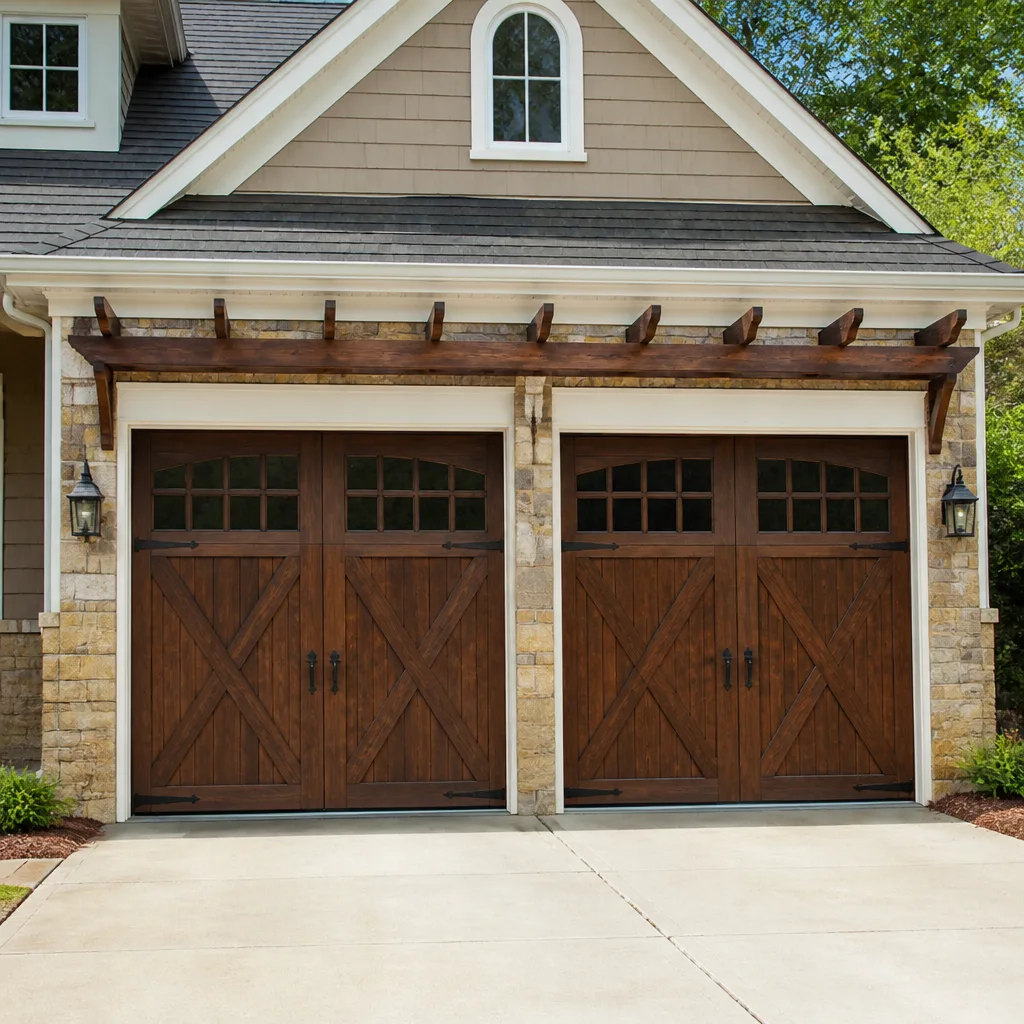 Carriage house
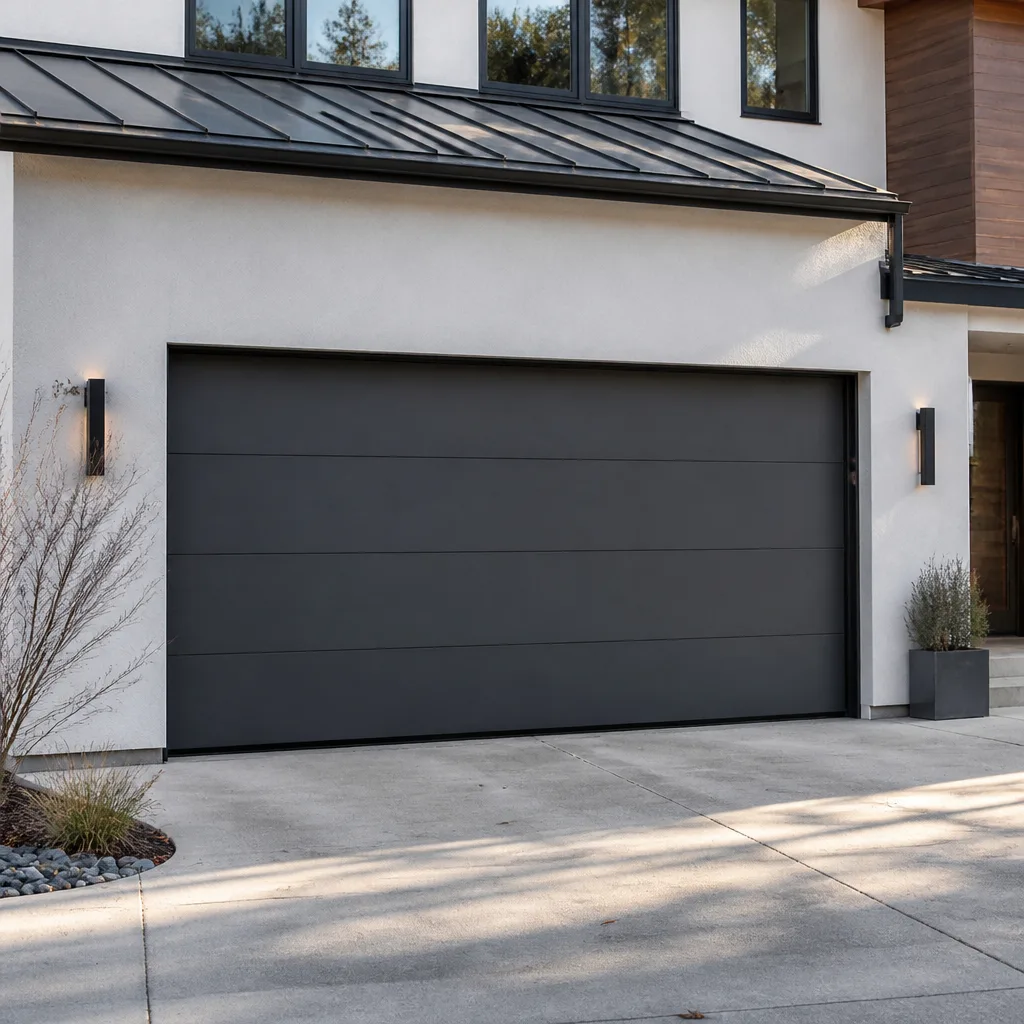 Modern flush
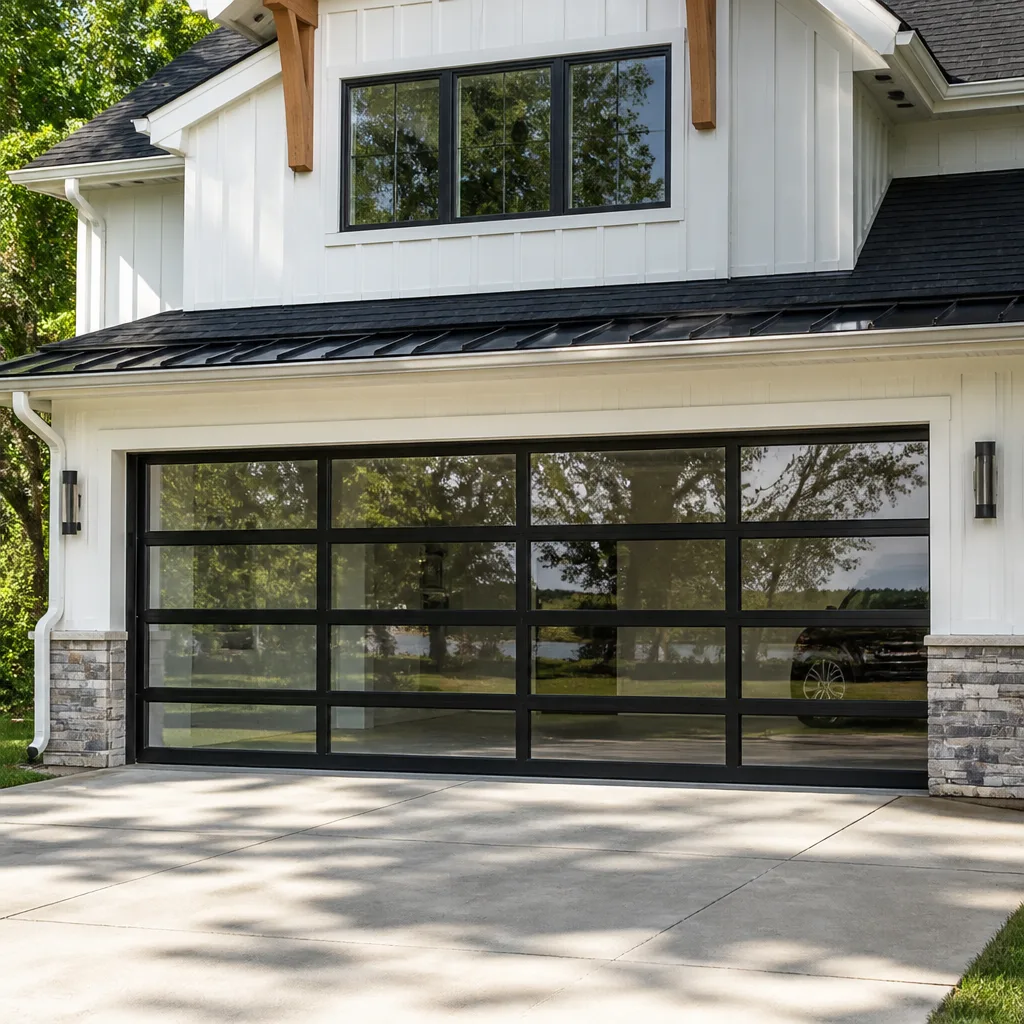 Full-view glass
 LiftMaster openers
 Chamberlain openers
Full 25-point door and opener safety check with every visit - springs, cables, rollers, tracks, and your LiftMaster or Chamberlain opener included
You get a price before we start. It does not change when the pro arrives.
Get your free estimateGarage Door Permits, Codes & Inspections in Greenville, NJ: What You Need to Know
Skipping a garage door permit in NJ can cost you a home sale. That’s the part most homeowners don’t see coming. Nobody flags the missing permit when the installer pulls away and the door runs smooth. It shows up years later, when a buyer’s inspector walks the property, notes an unpermitted alteration, and the lender wants proof that what’s attached to the house was done to code. Then the clock starts, and remediation gets expensive. We’re a garage door company working in Greenville, and we field permit questions constantly. This guide breaks down when New Jersey actually requires a permit, what inspectors look at, and how to fix unpermitted work before it becomes a closing problem.
Quick Answer
In New Jersey, replacing a garage door in the same opening generally falls under ordinary maintenance and doesn’t require a permit, but new openings, structural changes to the header or framing, and most electrical work on a hardwired opener do require one under the state Uniform Construction Code. Inspectors check structural integrity, attachment, and fire separation, not just whether the door goes up and down. If you’re selling a Greenville home with unpermitted garage door work, the practical fix is to permit it retroactively through the local construction office before you list.
Styles & brands we work with
- Raised-panel steel
- Carriage house
- Modern flush
- Full-view glass
- LiftMaster openers
- Chamberlain openers
Table of Contents
- What New Jersey’s Uniform Construction Code Actually Requires for Garage Doors
- Replacement vs. New Opening vs. Structural Modification: Which Triggers a Permit
- How Greenville Processes Garage Door Permits
- What Inspectors Actually Check During a Garage Door Inspection
- Fire-Rated Doors and Attached vs. Detached Garages
- How to Retroactively Permit Unpermitted Work Before Selling
- Common Mistakes to Avoid
- When to Call a Professional
What New Jersey’s Uniform Construction Code Actually Requires for Garage Doors
New Jersey runs on a single statewide construction code, the New Jersey Uniform Construction Code, which adopts the model building code and applies it uniformly across every municipality. Greenville is no exception. The code classifies work into a few buckets, and the bucket your job lands in determines whether you need a permit.
The core distinction is between ordinary maintenance and construction. Swapping a like-for-like door into an existing, properly sized opening is generally treated as maintenance. Changing the opening itself, altering the structural framing around it, or installing something the opening wasn’t built for crosses into construction, and construction needs a permit and an inspection.
Here’s where it gets muddy: the typical homeowner’s mental model is “a door is a door.” From a structural standpoint, it isn’t. A garage door is your home’s largest moving part, and it transfers a lot of load through its tracks, its mounting points, and the header above the opening. When you change door weight, change the opening width, or upgrade to a different system, the structure has to be checked. That’s the actual purpose of the permit. It’s not paperwork for paperwork’s sake; it’s a second set of eyes on how the door is tied into the house.
We also get questions about the electrical side. If your opener is hardwired and the job involves new or moved circuitry, that usually brings an electrical subcode into play. If you’re simply replacing an existing opener on an existing circuit, that’s a different situation. The practical answer for anyone in Greenville is: call the local construction office and describe the exact scope. A two-minute phone call settles it.
A quick reference on when NJ permits come up
- Same-size door swap, no structural change: usually ordinary maintenance, no permit required.
- New garage door opening cut into an existing wall: permit required, structural and framing inspection.
- Widening, raising, or changing the opening: permit required.
- Header or framing modification: permit required, structural review.
- New hardwired opener circuit or relocated wiring: typically electrical subcode applies.
- Attached garage with a fire-rated separation wall: fire-rated door requirements apply, and inspectors check the rating.
One thing worth saying plainly: this is a general orientation, not a legal ruling. Codes get amended, municipalities interpret them, and every house is different. Confirm your scope with the Greenville construction office. If your project is a repair rather than a replacement, our rundown of garage door repair covers what happens on the mechanical side.
Replacement vs. New Opening vs. Structural Modification: Which Triggers a Permit
The single most useful thing you can do before calling anyone is identify which of these three categories your job falls into. It changes the cost, the timeline, and who has to sign off.
1. Replacement in the same opening
This is the common case. The old door comes off, a new door of the same width and height goes in, and the tracks and mounting points stay where they are. In most New Jersey municipalities this is treated as ordinary maintenance, and no permit is required. It’s still worth verifying with the Greenville office, because if the new door is significantly heavier than the old one, the spring system and anchoring have to be recalculated, and some municipalities want a conversation about that.
The brands we work with most on replacements, including Amarr and Wayne Dalton, publish door weights and track requirements, which makes this math straightforward. That’s the benefit of working with a specialist: the weight and anchoring calculation is part of the job, not an afterthought.
2. New opening
Cutting a new garage door opening into a wall that didn’t have one is construction, full stop. It requires a permit, a structural review of how the header is sized and supported, and a framing inspection before the door goes on. This is the scenario where skipping the permit is most dangerous, because an undersized header is a genuine structural problem, not a technicality.
3. Structural modification
Widening an opening, raising the headroom for a taller door, or rebuilding the framing around the opening all fall here. Permit required, structural inspection required. If you’re converting a single door opening into a double, or vice versa, same answer.
A fourth category people forget: the opener
Mechanical opener replacement on existing wiring is usually not a permit item. Adding a new dedicated circuit, moving an outlet to serve the opener, or upgrading the electrical service in the garage generally is. Installers on modern systems like the LiftMaster and Chamberlain myQ ecosystem will tell you what’s involved on their end, but the circuit is an electrical question.
If you’re at the decision point between repair and full replacement, it’s worth reading our piece on garage door installation before you commit to a category. The permit conversation depends entirely on which one you’re actually doing.
How Greenville Processes Garage Door Permits
Every New Jersey municipality runs its own construction office, and the process varies in the details even though the underlying code is statewide. In Greenville, the practical flow looks like this:
- Scope call. Describe the project to the construction office: door size, whether the opening is changing, whether framing or wiring is involved. They’ll tell you which subcodes apply.
- Contractor licensing check. New Jersey requires the contractor pulling the permit to be registered with the state, and the construction office will check. This is one reason we’re specific about who performs the work.
- Application submission. The permit application names the scope, the estimated cost, and the contractor. For structural work, drawings or a description of the framing may be requested.
- Review. Straightforward applications are reviewed quickly. Structural applications take longer, and the timeline depends on the office’s current queue and whether the submission is complete.
- Permit issuance and work. Once issued, the work proceeds, and the permit has to be on site for the inspection.
- Inspection. The construction official or inspector visits at the appropriate stage. For a new opening, framing gets inspected before the door is hung. For a replacement, the inspection is often a final look at the installed door.
- Certificate of approval. When everything passes, the job is signed off. That piece of paper is what a buyer’s attorney will want to see years later.
Typical turnaround on a routine garage door permit in a New Jersey municipality runs from a few business days to a couple of weeks, depending on the office’s workload and whether the application is complete on the first pass. Structural reviews take longer. We won’t quote you a precise timeline for Greenville because it changes with the office’s queue, and anyone who gives you an exact number without checking is guessing.
Two practical notes. First, incomplete applications are the number one cause of delays, so get the scope description right the first time. Second, if the work is being done as part of a larger project, the garage door permit can often run alongside the main building permit rather than as a separate track. Ask the office about that.
What Inspectors Actually Check During a Garage Door Inspection
Here’s the misconception: homeowners assume the inspection is about whether the door works. It isn’t. The inspector is checking whether the installation is safe and structurally sound. Whether the door rolls up smoothly is the installer’s job. The inspection is about what happens if something fails.
What’s actually on the checklist
- Attachment and anchoring. Are the tracks and the torsion or extension system anchored into appropriate structural members, with correct fasteners, at the correct spacing? Anchoring into drywall or sheathing without proper blocking is a common failure.
- Header and framing. For new or modified openings, is the header sized and supported correctly? Is the framing adequate for the load?
- Door-to-opening fit and operation. Does the door travel without binding? Are the clearances appropriate?
- Safety devices. Modern openers require a photoelectric safety reversal system and, depending on the system, other safety features. The inspector checks that the safety devices are installed and functioning.
- Fire separation. On an attached garage, the door and the wall between garage and living space are part of the home’s fire separation. That’s a code item, not an optional upgrade.
- Labeling and listing. Doors and openers should be listed and labeled for their intended use. Inspectors look for that.
What inspectors are not doing: they aren’t tuning your springs, balancing the door, or adjusting your opener’s travel limits. Those are installation quality items. If the door is noisy or the opener is jerky, that’s a service call, not an inspection issue.
The safety devices item deserves emphasis. The springs, cables, and bottom bracket on a garage door are under extreme tension, and the spring system in particular is the most dangerous component on the whole assembly. We don’t publish do-it-yourself instructions for spring work, and we’d gently push back on anyone who’s considering it. If a spring or cable is broken, stop operating the door and call a trained technician. If the opener has stopped responding altogether, our garage door opener repair service covers both the smart-home systems and the older units.
Fire-Rated Doors and Attached vs. Detached Garages
This is the part of the code most homeowners have never thought about, and it matters more than any other item on this list when it comes time to sell.
When a garage is attached to the house, the wall and door between the garage and the living space form part of the home’s fire separation. The logic is simple: a fire starting in the garage should be slowed from spreading into the bedrooms above or beside it. That separation is a code requirement, and the door that fills the opening is part of it.
What that means in practice:
- An attached garage with a door opening into the house needs a door rated for the separation. The specific rating depends on the configuration and the code edition your municipality enforces.
- The self-closing function matters. A fire-rated door that’s propped open isn’t doing its job, and inspectors notice.
- If you’re replacing that door, the replacement has to maintain the rating. Swapping a rated door for an unrated one “because it matches the others” is a code violation, and it’s exactly the kind of thing a buyer’s inspector flags.
A detached garage doesn’t carry the same separation requirements, because there’s no shared wall with the living space. That’s the key distinction. A detached garage in Greenville is held to a different standard than an attached one, and the permit scope reflects that.
If your home has an attached garage and the door between the garage and the house is original to the build, it’s worth having it looked at before you list. The manufacturer documentation matters here, and doors from brands like Raynor and Craftsman often have ratings printed or labeled on the door itself. Losing that paperwork is not a disaster, but it makes the conversation harder.
How to Retroactively Permit Unpermitted Work Before Selling
This is the scenario our thesis is really about. You bought a house, or you’ve owned it a while, and at some point a garage door was replaced or an opening was modified without a permit. Now you’re listing, the buyer’s inspector notes it, and the lender wants documentation. What happens next?
The good news: New Jersey has a process for legalizing unpermitted work, and it’s usually manageable if you start early. The bad news: it takes time, so starting it after the inspection report comes back is a bad plan.
The steps, in order
- Find out what was actually done. Pull the prior permit history from the Greenville construction office. Many municipalities have this available online or on request. If there’s no record of a permit for the garage door work, that confirms the gap.
- Describe the existing work accurately. Was the opening changed? Was the framing touched? Is the current door the same size as what the opening was built for? Be honest; the inspection will reveal the truth anyway.
- Apply for a permit to cover the existing work. This is often called a “permit to legalize” or an “after-the-fact” permit. The scope describes what’s already installed, not what’s being installed.
- Expect an inspection of the existing installation. The inspector will check anchoring, framing, fire separation, and safety devices on what’s there now.
- Correct anything that fails. This is where unpermitted work gets expensive. If the original installation cut corners on anchoring or framing, that has to be fixed before the job can be signed off.
- Get the certificate of approval. Once it passes, the work is legal and documented. That’s the paper your buyer’s attorney wants.
Timing matters. If you’re listing in the next month and the unpermitted work surfaces during the buyer’s inspection, you’ll be negotiating a credit or a repair under pressure. If you deal with it before you list, you’re just doing maintenance. The difference in outcome is significant.
We’ve seen enough of these in Greenville to say this clearly: a homeowner who calls the construction office and starts the process early almost always has a smoother closing than one who waits. If the existing door needs replacement as part of the remediation, our team at Greenville Garage Door Repair Pros can scope that alongside the permit conversation.
Common Mistakes to Avoid
- Assuming a replacement never needs a permit. Same-size replacement usually doesn’t, but “usually” isn’t “always.” If the door weight changed significantly or the anchoring is being redone, confirm with the Greenville construction office before you book the install.
- Permitting the door but forgetting the electrical. A hardwired opener on a new circuit is an electrical subcode item. Skipping it means the job never fully closes out, and that gap can surface at resale.
- Replacing a fire-rated door with an unrated one. It’s an easy mistake if the rated door is more expensive. It’s also a code violation, and an attached garage in Greenville with an unrated separation door is a red flag for any inspector.
- Waiting until the buyer’s inspection to deal with unpermitted work. Retroactive permits take time. Start the process before you list, not after the report lands.
- Using a general handyman for structural garage door work. New openings and header modifications are construction. They need a contractor registered with the state and a specialist who understands door load, anchoring, and spring systems. The permit process assumes that expertise; it doesn’t substitute for it.
- Treating the inspection as a formality. Inspectors check anchoring into structural members, fire separation, and safety devices. A quick visual pass by the installer isn’t the same thing, and the gap between the two is where failed inspections happen.
- Losing the manufacturer documentation. Door ratings and installation specs matter during an inspection. Keep the paperwork with your home files.
When to Call a Professional
Some garage door work is genuinely a professional job, and the permit question is a good way to tell which is which. If the scope involves cutting or altering the opening, modifying framing, replacing an attached-garage fire-rated door, or anything touching a spring or cable, call a trained technician. Springs and cables are under extreme tension and cause serious injuries when handled by untrained hands. We don’t publish how-to steps for them for a reason.
Beyond safety, the permit process assumes a state-registered contractor and an installation that will pass inspection. That’s not a generalist’s job. Our technicians have up to 11 years of experience, and we work with doors from Amarr, Wayne Dalton, Craftsman, Raynor, and several other major brands, so we know what inspectors in this area expect to see.
Greenville Garage Door Repair Pros offers free estimates in Greenville, including for retroactive permit scoping and for replacement work that needs to close out an unpermitted installation. Call (855) 706-3964 and we’ll walk you through what the job involves and what the construction office will want to see.
See the difference
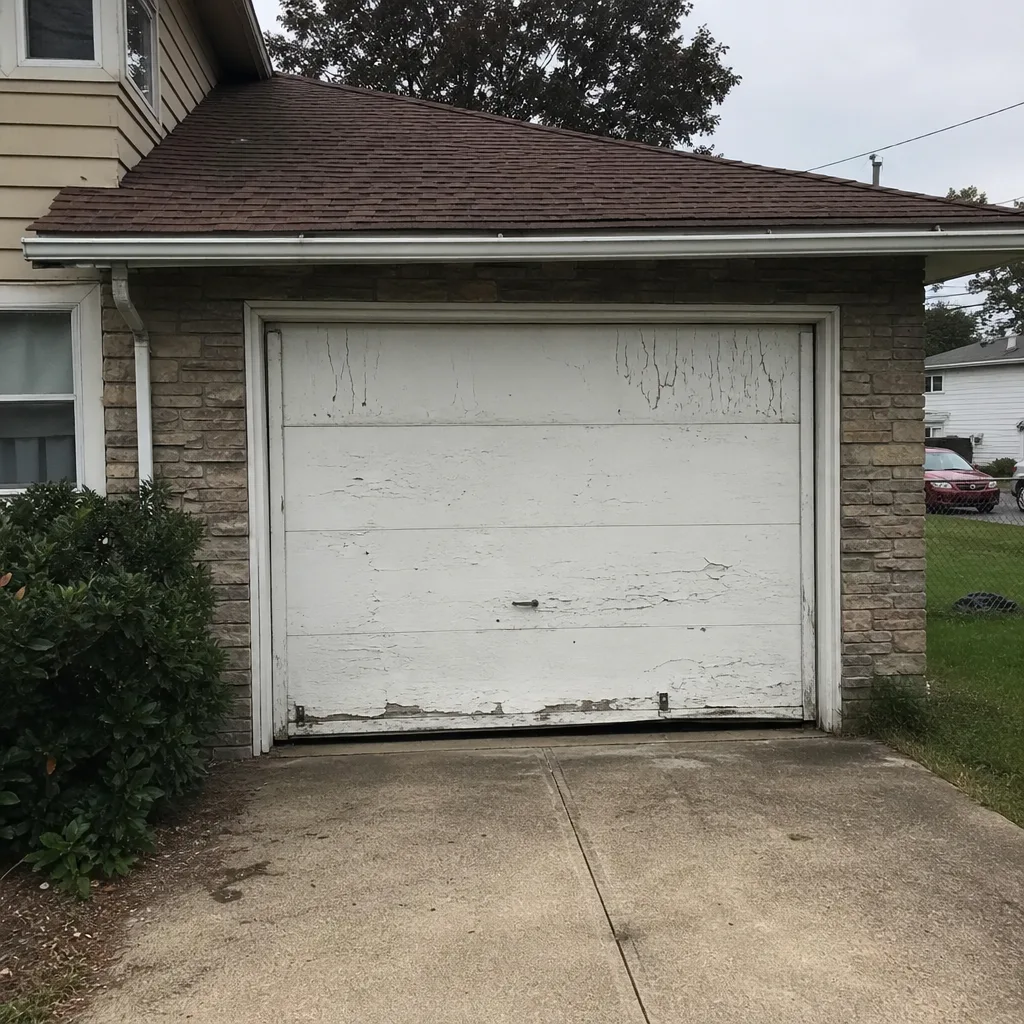 Before
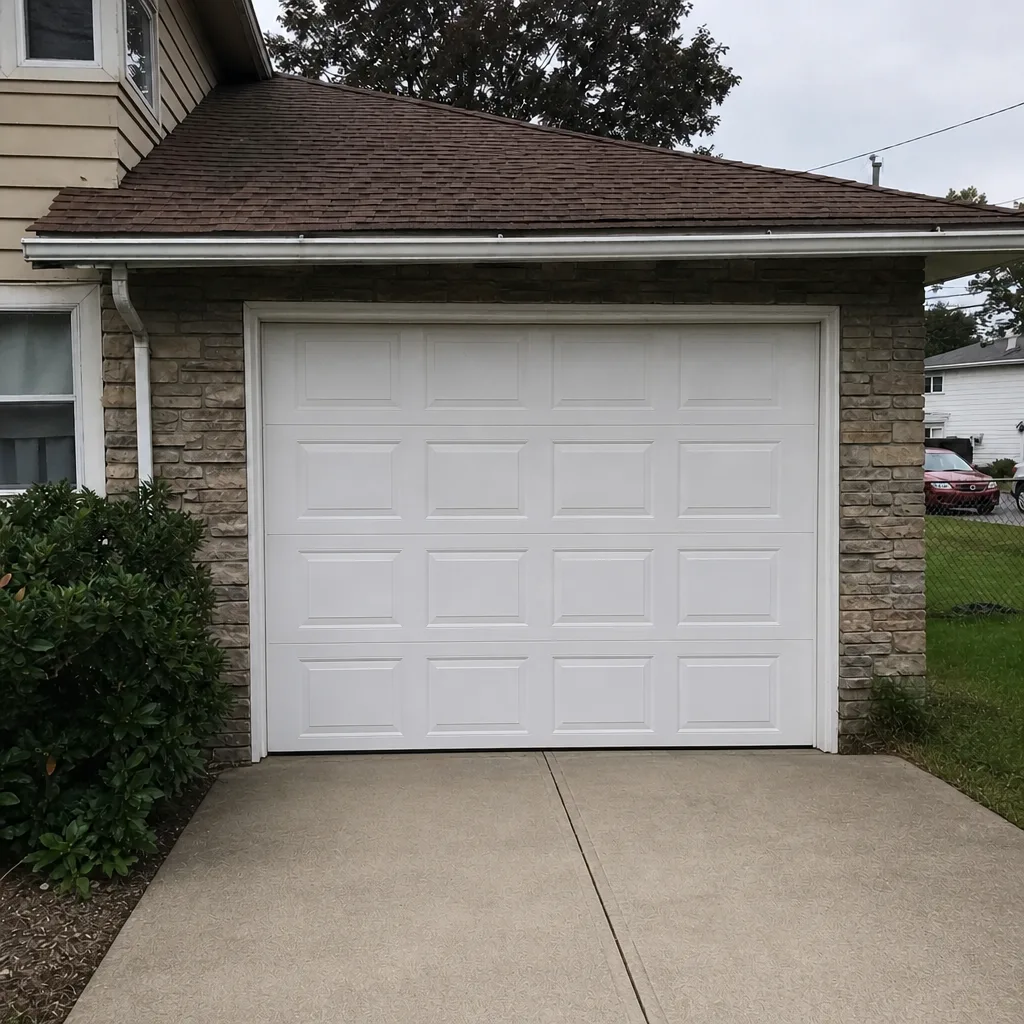 After
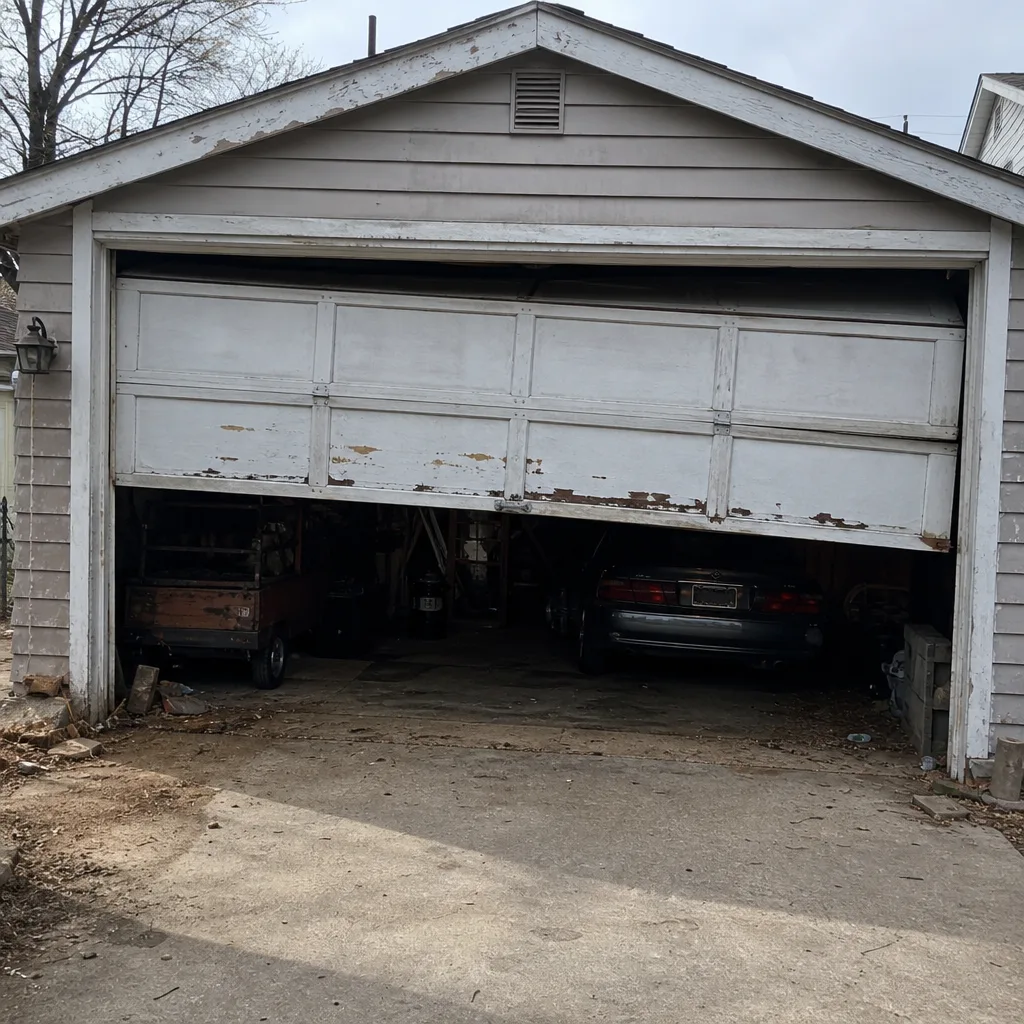 Before
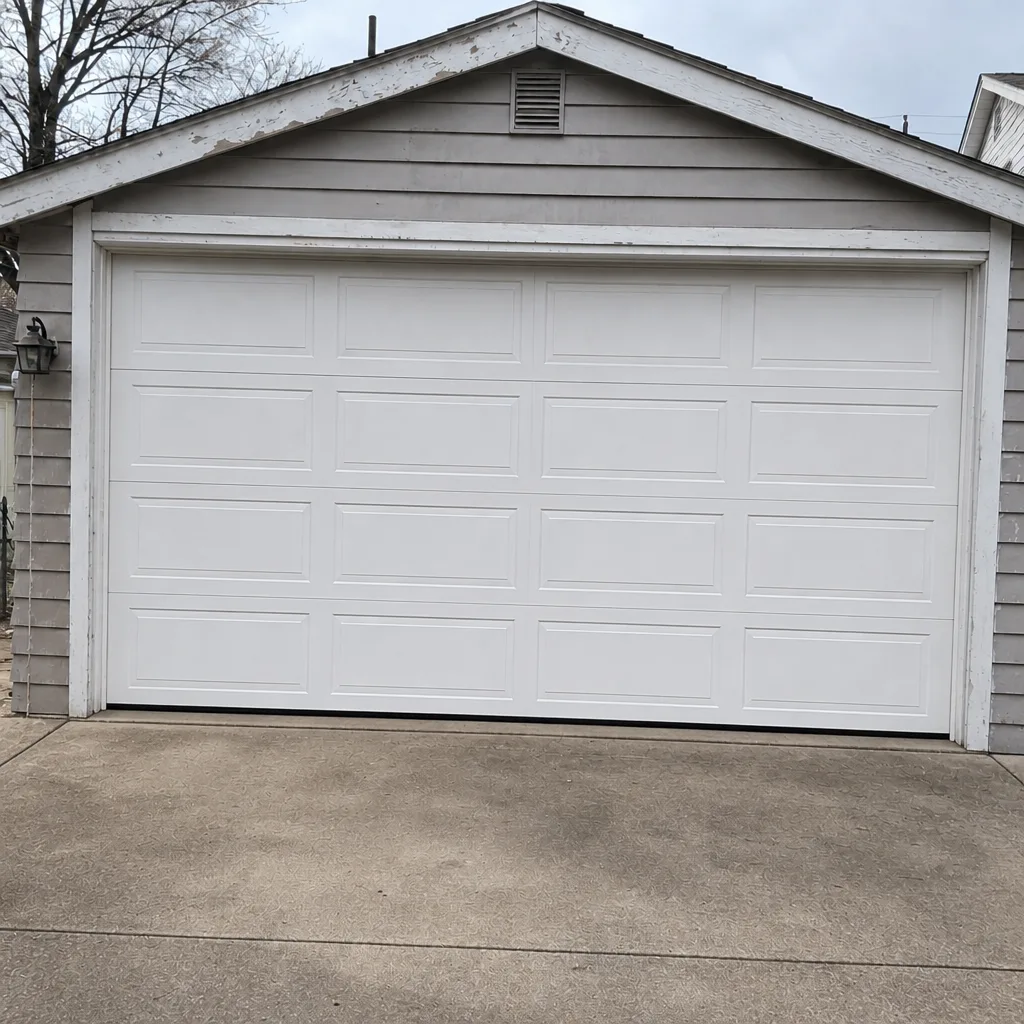 After
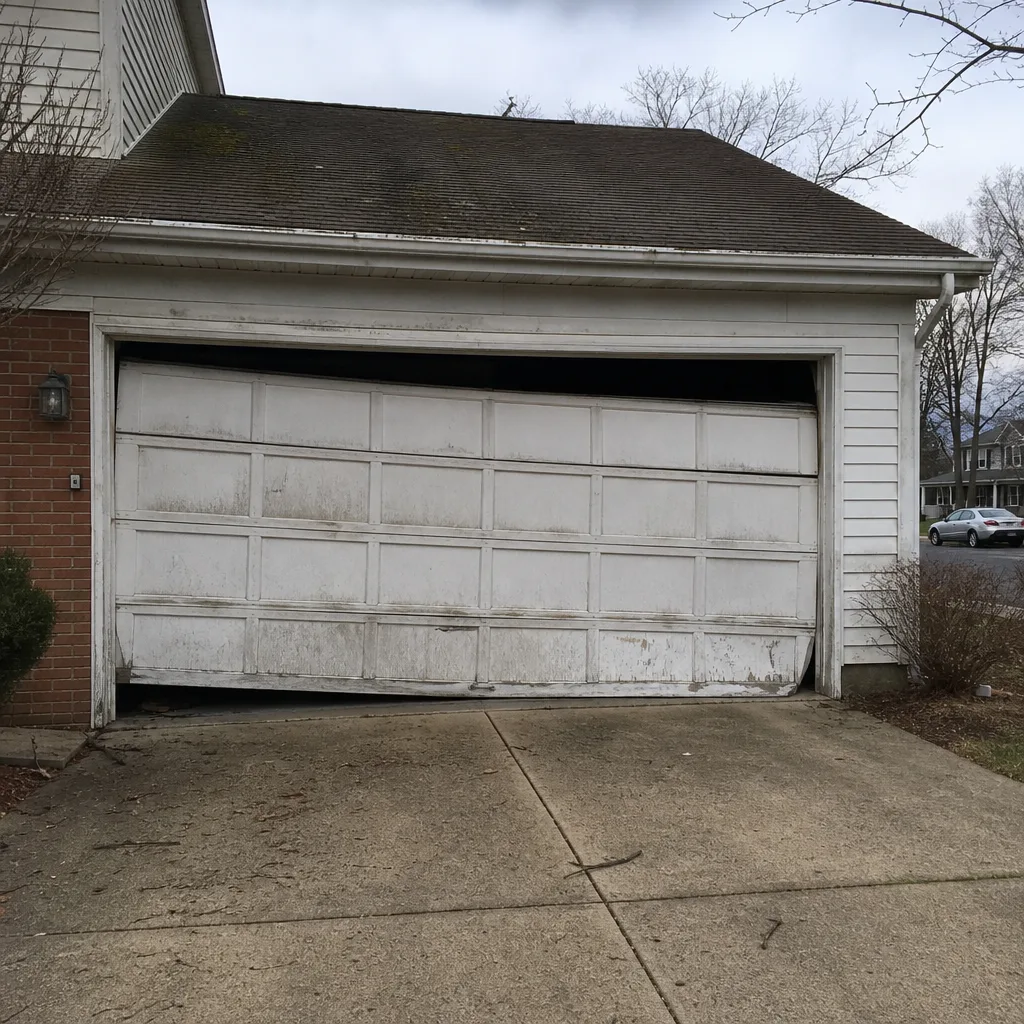 Before
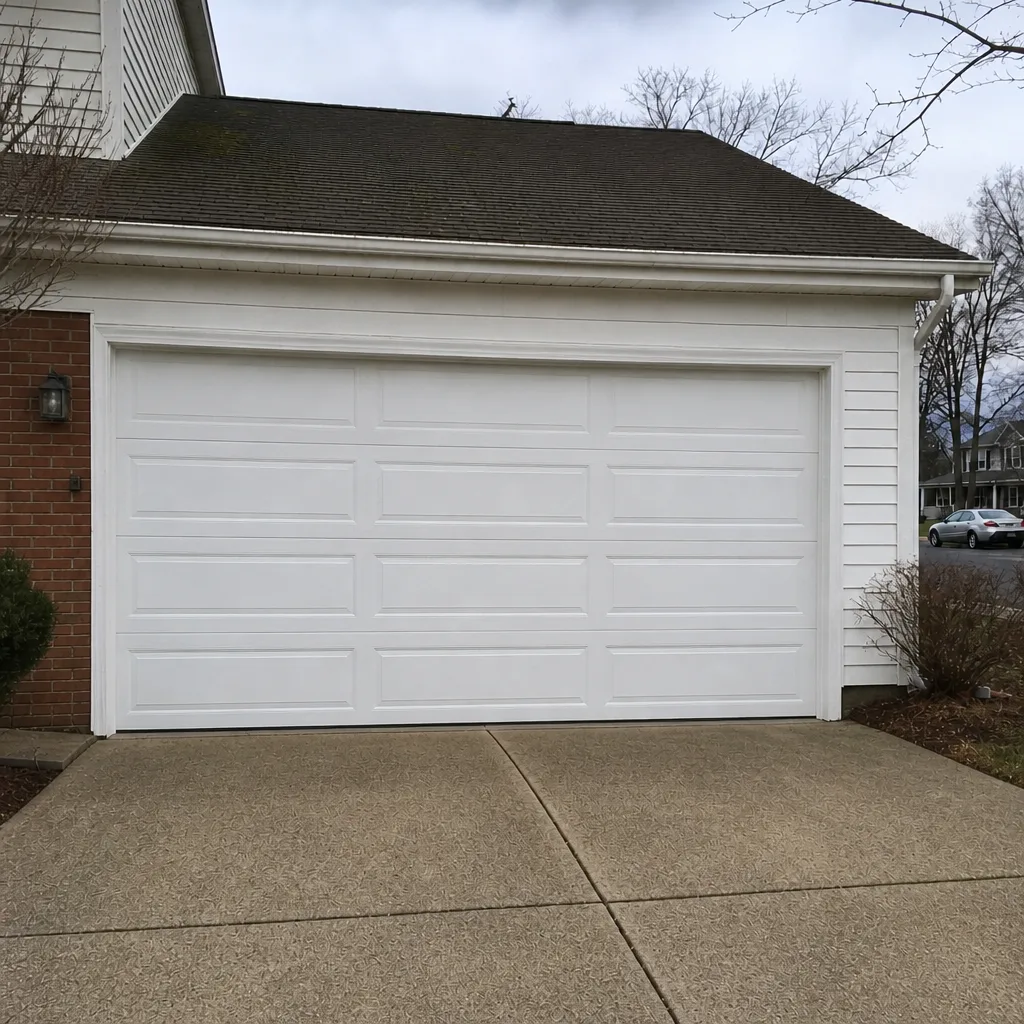 After
Frequently Asked Questions
Usually no, if it’s a same-size replacement in the existing opening with no structural change. New Jersey generally treats that as ordinary maintenance. If the opening is being modified, framing is touched, or wiring is added, a permit is required. Call the Greenville construction office with the exact scope and confirm, because the answer depends on the specifics of your job.
It checks anchoring into structural members, header and framing adequacy for new openings, fire separation on attached garages, safety devices on the opener, and correct labeling. It does not check whether the door is smooth or quiet; that’s an installation quality issue. The inspection is about safety and structure, not cosmetics.
Apply for a permit to legalize the existing work through the Greenville construction office, then pass the inspection. Start before you list. The process takes time, and a buyer’s inspector will flag unpermitted work regardless, so dealing with it early is almost always cheaper and smoother than negotiating it under contract pressure.
Yes. An attached garage’s wall and the door between the garage and the living space form part of the home’s fire separation, and the door has to be rated for that separation. A detached garage doesn’t carry the same requirement. If you’re replacing an attached garage’s separation door, the replacement has to maintain the rating.
Routine permits typically move through review in a few business days to a couple of weeks, depending on the office’s queue and whether the application is complete on the first pass. Structural applications take longer. We don’t quote an exact timeline because it changes, and the fastest way to know is to call the construction office directly.
For a same-size swap, some homeowners do, but it’s a hard job to get right and a failed inspection means redoing structural work. For new openings, framing changes, fire-rated doors, or anything involving springs or cables, hire a professional. The permit process assumes a state-registered contractor, and the safety risk on spring work is real. Call (855) 706-3964 if you want an honest scoping conversation.
The Bottom Line
New Jersey’s garage door permit rules are less about the door and more about the structure around it. Replacing a door in an existing opening is usually maintenance. Changing the opening, touching framing, adding wiring, or replacing an attached-garage fire-rated door is construction, and construction needs a permit and an inspection. The mistake that costs people real money is discovering an unpermitted installation during a home sale, when there’s no time to fix it gracefully. If you own a Greenville home with an unpermitted garage door, start the legalization process before you list. If you’re planning new work, confirm your scope with the construction office first, then hire a specialist who knows what the inspector expects. That sequence saves time, money, and a closing headache.
Written by the team at Greenville Garage Door Repair Pros.