Last updated November 21, 2026
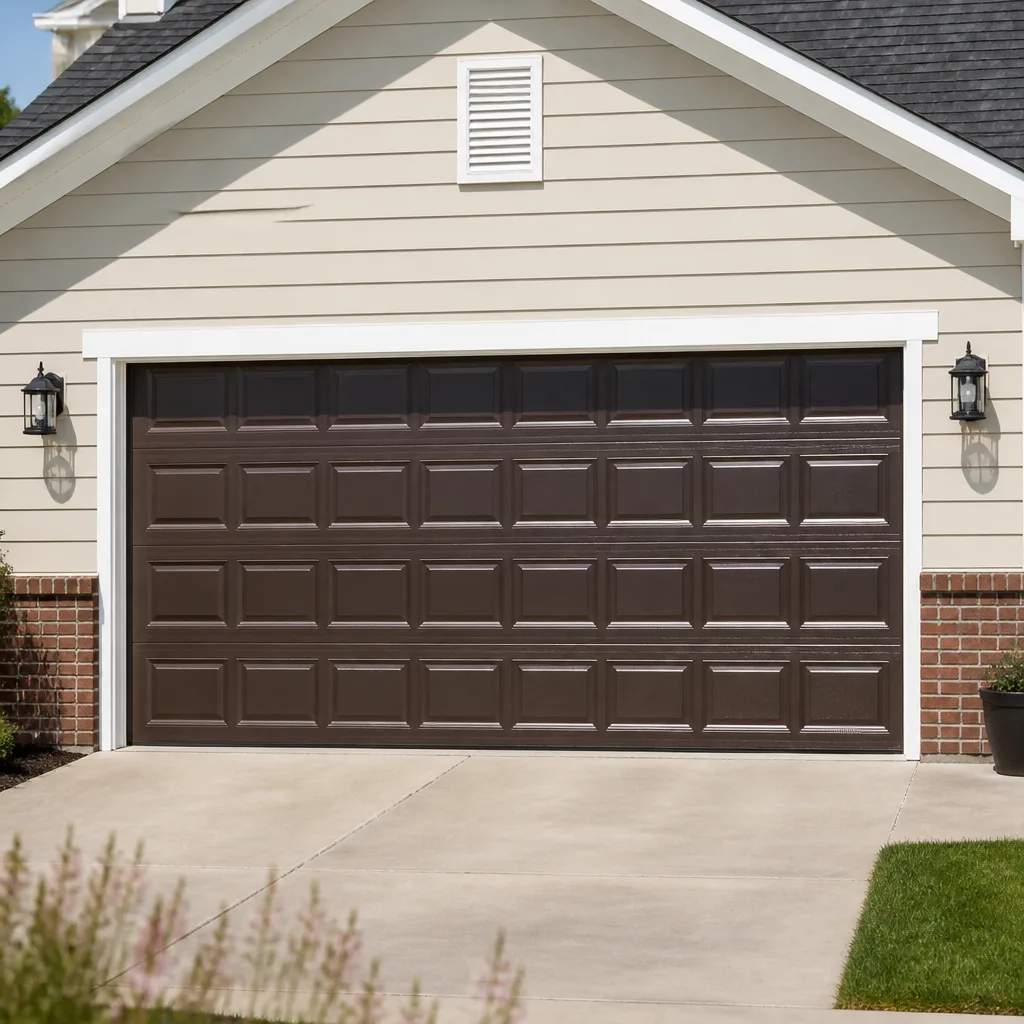 Raised-panel steel
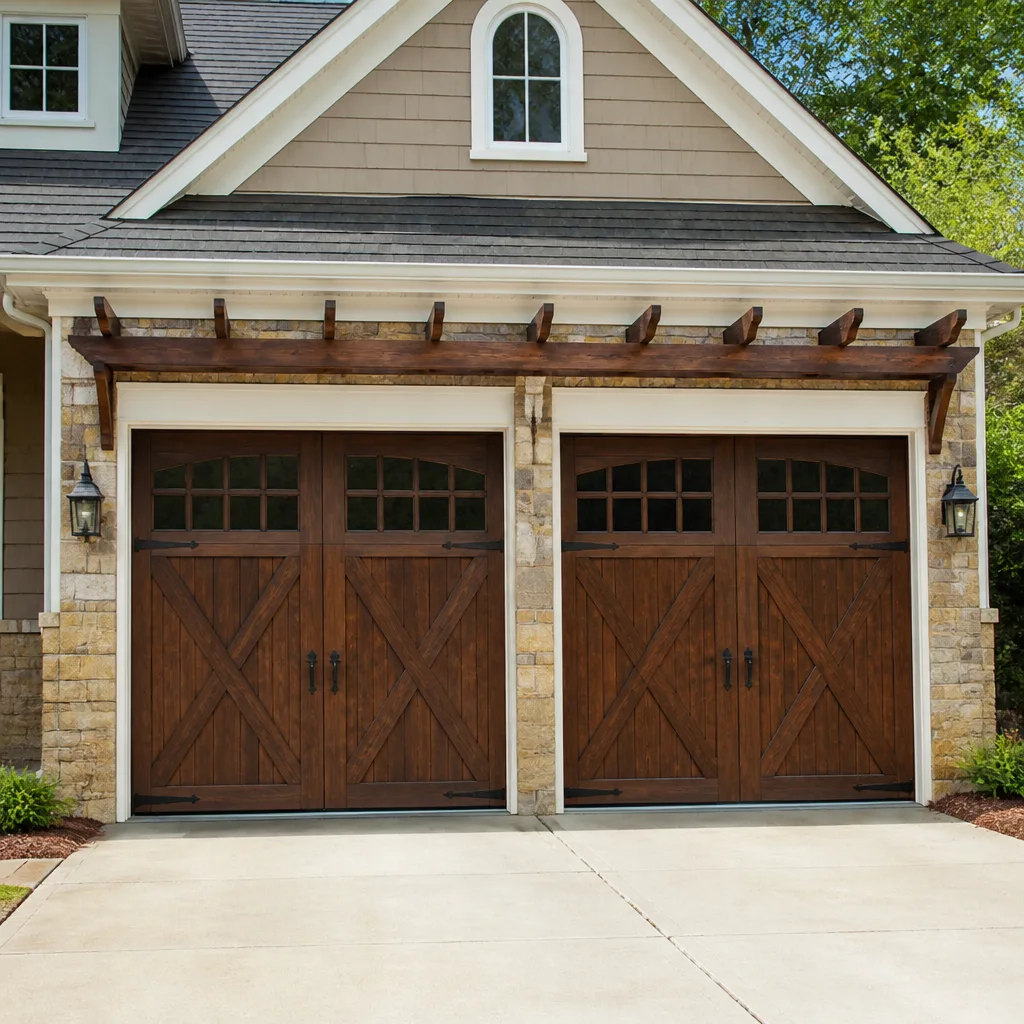 Carriage house
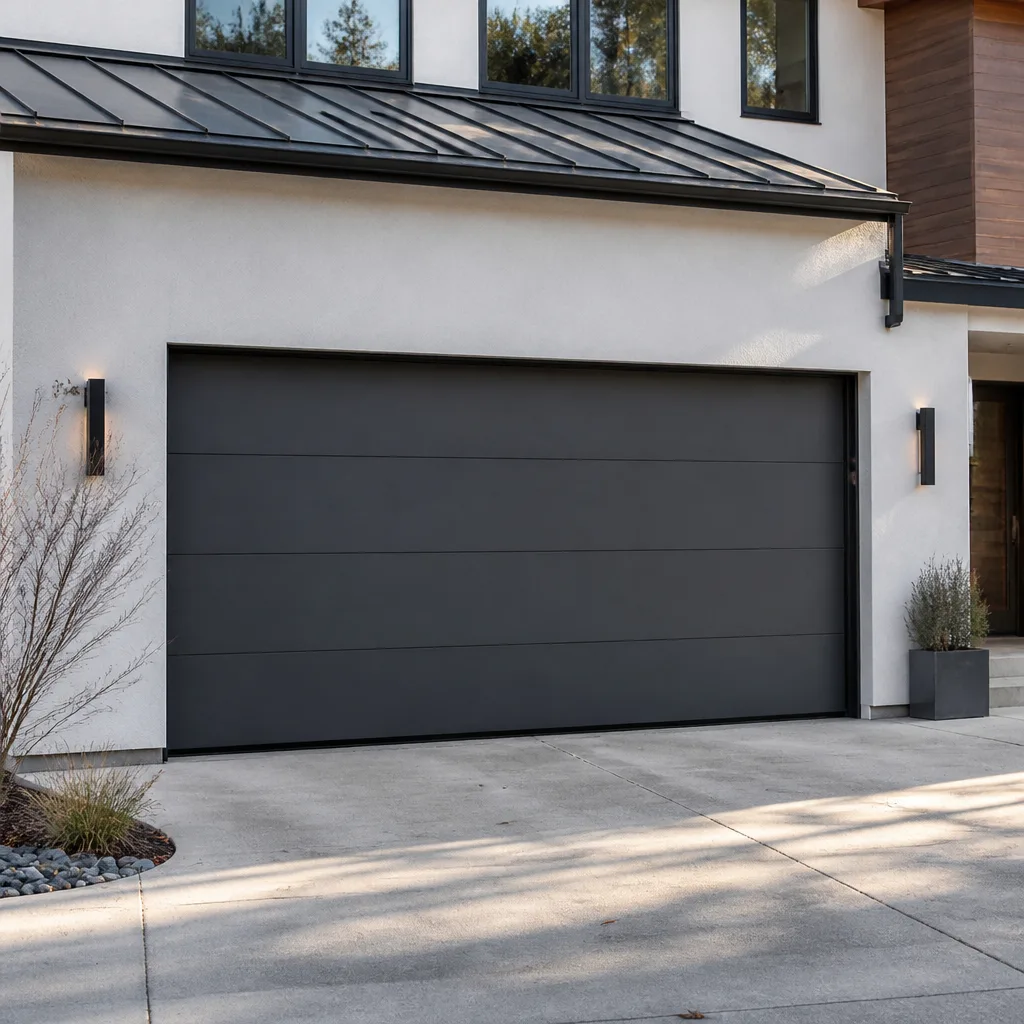 Modern flush
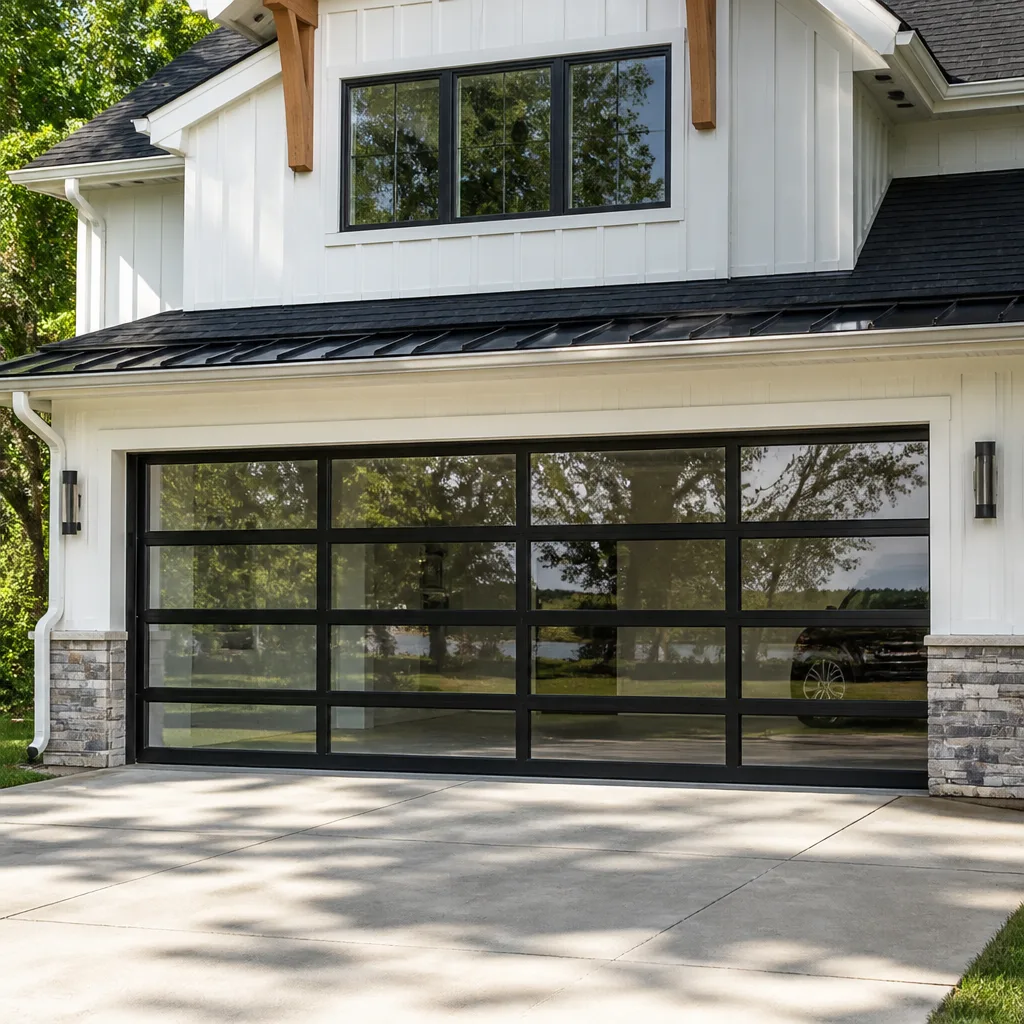 Full-view glass
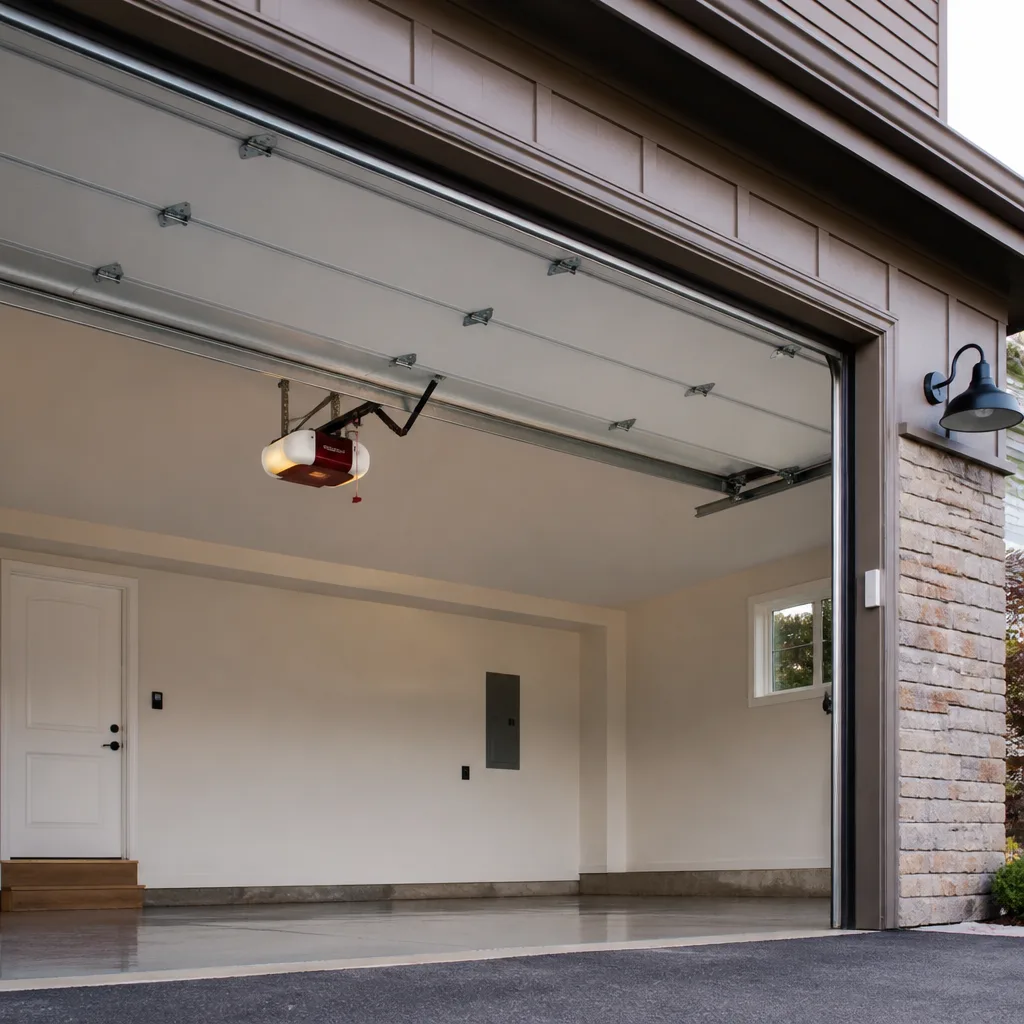 LiftMaster openers
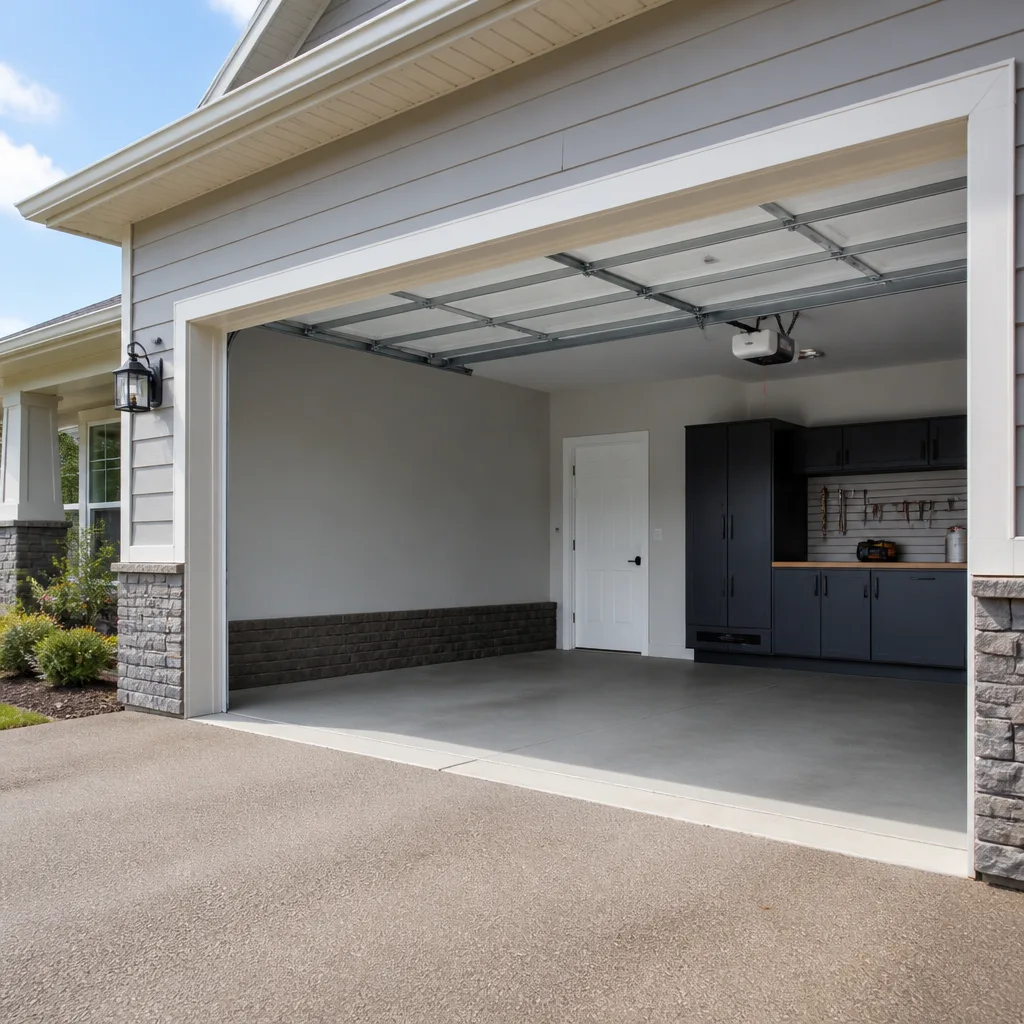 Chamberlain openers
Full 25-point door and opener safety check with every visit - springs, cables, rollers, tracks, and your LiftMaster or Chamberlain opener included
You get a price before we start. It does not change when the pro arrives.
Get your free estimateGarage Door Repair Maintenance Checklist for Greenville Homeowners
Most garage door maintenance checklists online were written by content teams, not technicians. They tell you to “lubricate moving parts” without naming which lubricant, and that omission matters: a spray of the wrong product can swell nylon rollers and shorten their life rather than extend it. A checklist only works if it tells you what you’re looking for – what a worn spring looks like, sounds like, and measures like before it fails. This guide is built around observable evidence you can actually see and hear on a Greenville door, and it separates the tasks you can safely handle from the ones that involve stored spring tension and belong to a trained specialist.
Quick Answer
A garage door maintenance checklist for Greenville homeowners should cover monthly visual and balance checks, a twice-yearly lubrication and hardware pass, and an annual close inspection of springs, cables, and rollers. You can safely lubricate and wash the door, but springs, cables under tension, and opener adjustments belong to a trained technician. Use the right lubricant, log every check so you spot patterns, and adjust frequency for South Jersey’s humid summers and freezing winters.
Styles & brands we work with
- Raised-panel steel
- Carriage house
- Modern flush
- Full-view glass
- LiftMaster openers
- Chamberlain openers
Table of Contents
- Why a Maintenance Checklist Beats a Repair Bill
- Monthly Checks You Can Do Yourself
- Lubricants That Work and the One That Ruins Rollers
- Measurable Thresholds That Signal Replacement
- Seasonal Calendar for Greenville’s Climate
- How to Log Maintenance and Read the Patterns
- DIY Tasks vs. Spring-Tension Tasks for a Pro
- Common Mistakes to Avoid
Why a Maintenance Checklist Beats a Repair Bill
A garage door is your home’s largest moving part, and it carries more load than any other system in the house. The door itself can weigh hundreds of pounds, and the springs, cables, and opener work together to move it smoothly every single time. Small problems stay small only if someone notices them early. Left alone, a slightly frayed cable becomes a snapped one, and a dry hinge becomes a worn roller that drags the track out of alignment.
In Greenville, maintenance matters for reasons that are specific to this area. The summers bring high humidity that works on steel parts and hinges, and the winters bring freeze-thaw swings that contract and expand every joint in the door. A door that runs quietly in October can rattle by January if the hardware hasn’t been checked. That’s why a consistent, evidence-based checklist beats a one-time tune-up: it gives you a baseline so you know what “normal” sounds and feels like on your door.
For homeowners who rely on their garage as the primary entry point, downtime is the real cost. A door that won’t close means a car trapped inside or a house left open. Maintenance is the cheapest way to keep that from happening, and the checklist below is designed to catch the symptoms weeks before they become failures. When a repair does come up, the same evidence helps you get an accurate estimate the first time.
Monthly Checks You Can Do Yourself
You don’t need tools for the monthly pass. Most of it is watching and listening. Set aside ten minutes, run the door, and pay attention to what it’s doing rather than walking away while it moves.
- Run the door and listen. A steady hum from the opener and a smooth glide from the panels is what you want. Grinding, squeaking, or a repeated click points to a specific component.
- Check the balance. Disconnect the opener (pull the release handle), lift the door by hand to about waist height, and let go. A balanced door holds in place. One that drifts down or races up needs spring attention from a professional.
- Look at the tracks. They should be straight and clear. Any dent, bend, or debris means the rollers are going to wear fast.
- Test the auto-reverse. Place a block of wood or a roll of paper towels on the floor in the door’s path and close it. The door should reverse on contact. This is a safety test, not a performance test – do it every month.
- Check the photo-eye sensors. With the door open, wave your hand through the beam. If the door doesn’t respond, the sensors need cleaning or alignment.
None of these steps involves spring tension or moving under a loaded door. They’re observational, and they give you a written record of what your door was doing before it started misbehaving. For Greenville homeowners who track these things, the monthly pass is usually where a problem first shows up. If a month’s check flags something you can’t explain, that’s the point to garage door repair before it gets worse.
Lubricants That Work and the One That Ruins Rollers
WD-40 is not a garage door lubricant. That’s the single most useful sentence in this guide. The classic blue-and-yellow can is a solvent and water displacer, not a lubricant, and on nylon rollers it can accelerate wear by breaking down the surface and attracting grit. It also penetrates into parts where you don’t want residue, and it dries out the actual lubricant underneath.
What you should use depends on the component. Here’s how technicians match the product to the part:
- Nylon rollers: a dry silicone spray. Nothing that grabs dust.
- Steel rollers and hinges: a lithium or white grease applied sparingly with a rag.
- Hinges and pivot points: a light grease or dedicated garage door lubricant, one drop per hinge.
- Springs: a light coating of garage door lubricant on the coil only. Never grease the cable itself.
- Tracks: nothing. Tracks should stay dry and clean. Grease on a track collects dirt and causes drag.
The right order matters too. Wipe the component clean first, apply a thin film, and run the door a few times to distribute it. If you’re not sure what’s on your door – especially on an older Craftsman or Wayne Dalton system a previous owner maintained – start with a silicone spray on the rollers and grease on the hinges. The wrong product on the wrong part is the most common way a well-intentioned homeowner shortens a component’s life. Our technicians have up to 11 years of experience, and they’ve seen what a WD-40 habit does to a set of rollers.
Measurable Thresholds That Signal Replacement
“Inspect the springs” is advice that helps nobody unless you know what you’re looking for. The items below are the measurable signs a trained eye uses. You can check some of them safely from the ground; the rest are reason to call.
- Cable fraying: three or more broken strands, or a visible bird’s-nest tangle at the drum, means the cable needs replacing. One broken strand is already a warning sign.
- Spring gap: on a torsion spring, a visible gap of a quarter inch or more between the coil indicates a stressed spring. Even without a gap, look for a stretched or uneven coil.
- Balance deviation: a door that drifts more than a few inches when released at waist height is out of balance and pointing to spring wear.
- Roller wear: flat spots, cracks, or wobble on any roller. Nylon rollers that have lost their shape or surface shine are due.
- Panel stress: cracks at the hinge points or near the bottom corners, especially on steel panels.
These thresholds matter because garage door failures are cumulative. A door doesn’t snap a spring out of nowhere; the spring was fatigued for weeks before it let go. A cable doesn’t break without fraying first. Logging these measurements on a Greenville door through a full year tells you what your door’s normal wear pattern looks like, and lets you schedule a replacement on your terms instead of an emergency. For anyone weighing a full replacement, our guide to garage door installation walks through the decision.
Seasonal Calendar for Greenville’s Climate
Greenville sits in South Jersey, and its weather is what drives the timeline below. Humid summers stress steel and wood; freezing winters work every joint and seal. Adjust your checklist to the season, not to a fixed date.
Spring (March-May): The thaw is the time to check what winter did. Inspect for rust on hinges, hardware, and springs; test the balance after the freeze-thaw cycles; and look at the weather seal at the bottom of the door. This is the best window to schedule the annual pro inspection and to install a new door if last winter left you thinking about it.
Summer (June-August): Humidity is the main enemy. Reapply silicone spray to the rollers and check for corrosion on any steel fasteners. Watch for a rubber weather seal that’s starting to crack or harden from the heat. Keep an eye on the opener motor, which runs harder in high heat.
Fall (September-November): Before the first freeze, check every hinge for looseness, confirm the door closes tight against the frame, and test the auto-reverse again. If you have a wood door, this is the season to check for paint peeling and moisture damage. Tighten any loose track bolts with a socket, not a screwdriver.
Winter (December-February): Cold makes the door heavier and the grease thicker. If the door feels sluggish, don’t force it – a sluggish door in freezing weather is often a sign the springs are past their service life. Keep the tracks clear of snow and ice, and never pour hot water or de-icer on the tracks.
How to Log Maintenance and Read the Patterns
The single best thing you can do for a garage door is to write down what you find. A log turns a pile of symptoms into a timeline, and a timeline tells you when something is failing rather than just different.
- Start with a baseline. Note the door brand (on a Clopay, Amarr, or Raynor, look for the label on the inside of a panel), the door type, and the opener model. Note the date, the sound of the door, and the balance test result.
- Log every check. Date, what you did, what you saw, and any noise or symptom. Two lines is enough.
- Flag the “new” symptoms. A squeak you haven’t heard before, a track that’s moved, or a door that’s suddenly harder to lift. Note the date it started.
- Read the trend. If the balance test has drifted twice in three months, the springs are telling you something. If the door has been getting noisier every month, something is wearing.
This log is also useful when you call for service. Instead of “my door is acting weird,” you can say “since August it’s been harder to lift and it drifted on the last two balance tests.” That’s the kind of information a specialist can use immediately, and it makes the estimate more accurate. If a repair or new opener is coming, use our garage door opener repair page to understand what happens next.
DIY Tasks vs. Spring-Tension Tasks for a Pro
Knowing which side of the line you’re on is the most important part of any checklist. Springs and cables are under enormous stored tension. They are not a homeowner job, not even for a confident one.
Safe to do yourself:
- Lubricating hinges, rollers, and springs (from the ground, with the door closed).
- Cleaning the tracks with a dry cloth or a mild cleaner.
- Testing the auto-reverse and photo-eye sensors.
- Tightening visible hinge and track bolts.
- Washing the door panels with mild soap and water.
- Replacing the bottom weather seal.
Call a professional:
- Replacing springs, either torsion or extension.
- Replacing or re-tensioning cables.
- Adjusting spring tension on any door – this requires specific tools and training.
- Repairing a bent or off-track door.
- Replacing broken panels or a damaged bottom section.
- Troubleshooting opener boards, travel limits, or sensor wiring.
If a spring has broken, the door may appear stuck or may slam. Don’t run the opener repeatedly to force it. Call for emergency service – a spring failure is the one problem where sitting under a loaded door is a real hazard. For everything else, a yearly inspection from a specialist catches the thresholds the monthly checklist can’t measure. Our team at Greenville Garage Door Repair Pros works on both modern systems and the older openers common in South Jersey homes.
Common Mistakes to Avoid
- Spraying WD-40 on the rollers. It’s a solvent, not a lubricant, and on nylon rollers it accelerates wear. Use a dry silicone spray instead.
- Greasing the tracks. Grease collects dirt and grit, which drags on the rollers. Tracks should stay dry and clean.
- Loosening a spring to “check it.” A torsion spring is holding hundreds of pounds of force. There’s no safe check that involves touching the tension.
- Skipping the balance test. It’s the cheapest way to catch spring wear early, and it takes a minute with the door open by hand.
- Ignoring a small dent in the track. A bent track wears rollers fast. In Greenville’s freeze-thaw climate, a small alignment problem gets worse each winter.
- Forcing a sluggish door in the cold. If the door drags in January, the springs are past their service life. Forcing it adds strain to the opener and everything else.
- Not logging anything. Without a record, every symptom looks new, and you can’t tell wear from noise. A two-line monthly entry is the difference.
See the difference
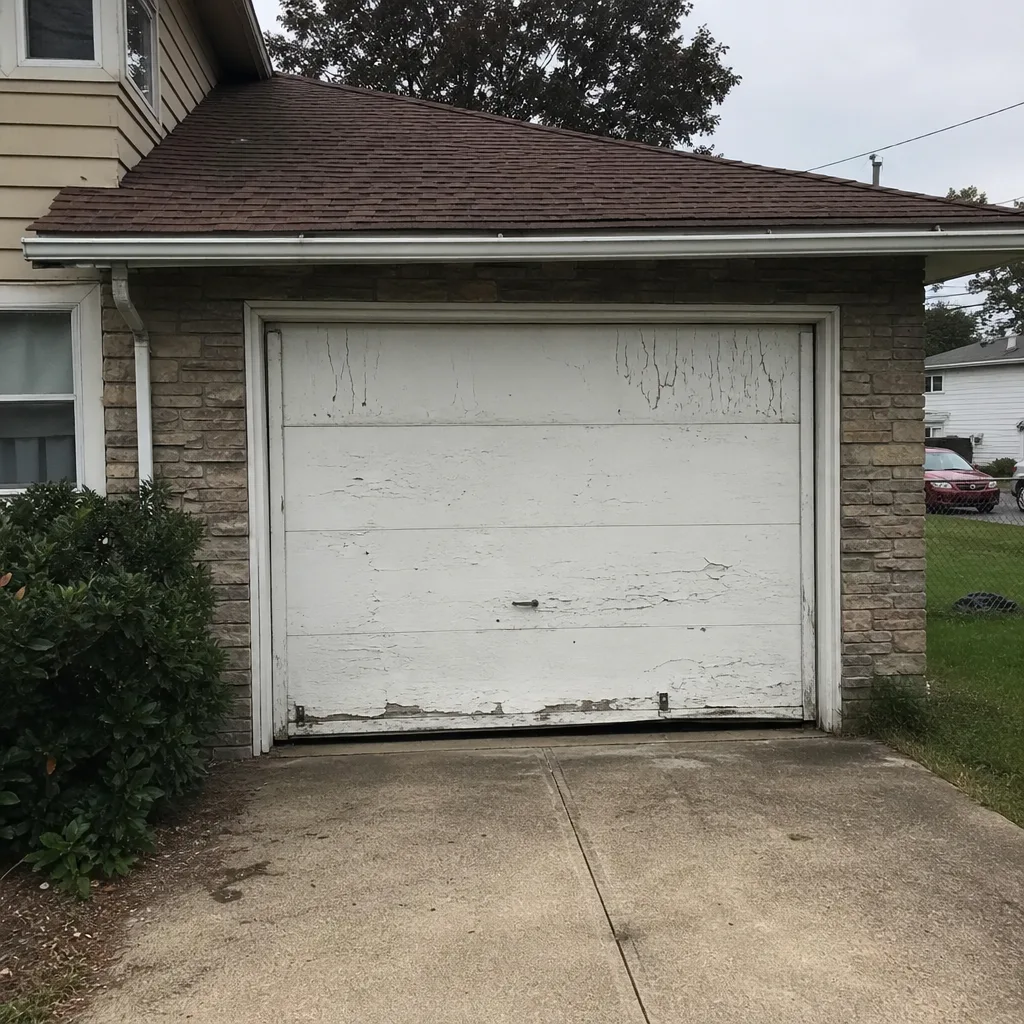 Before
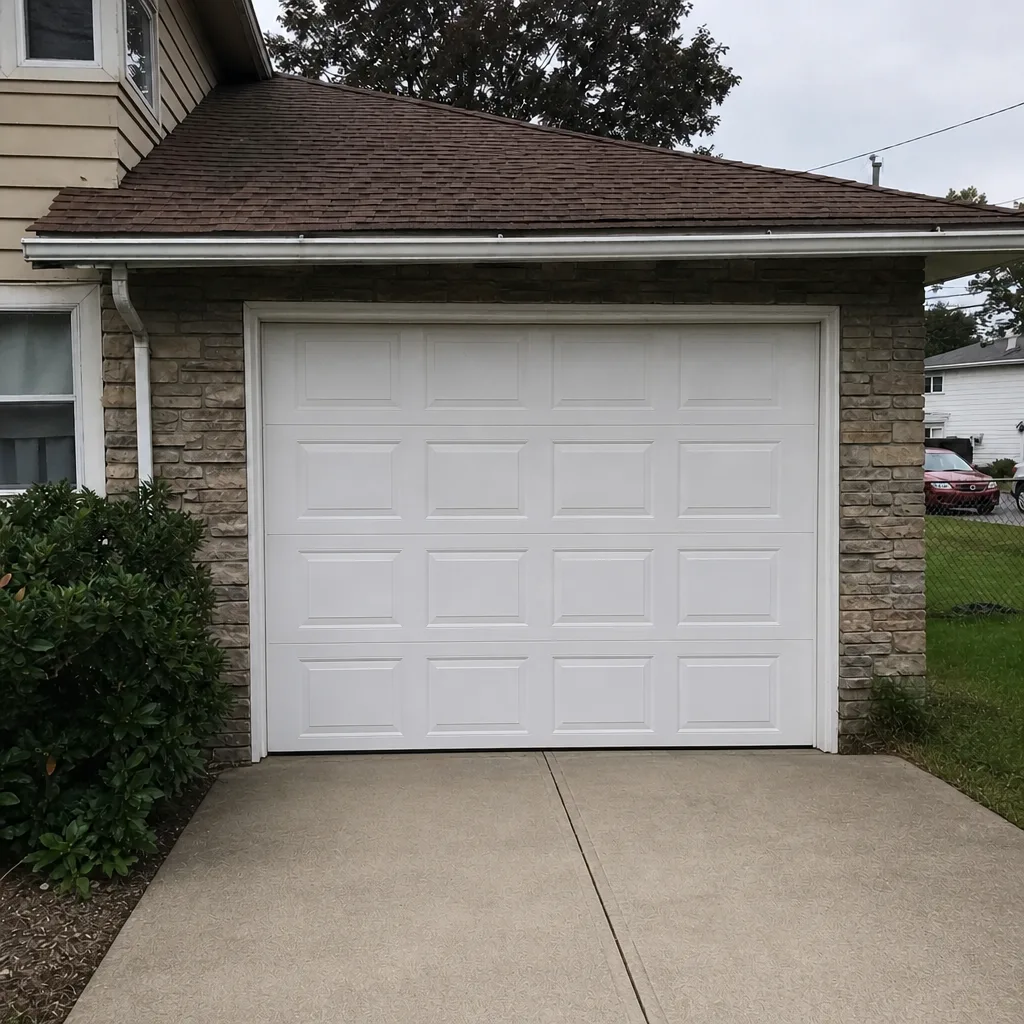 After
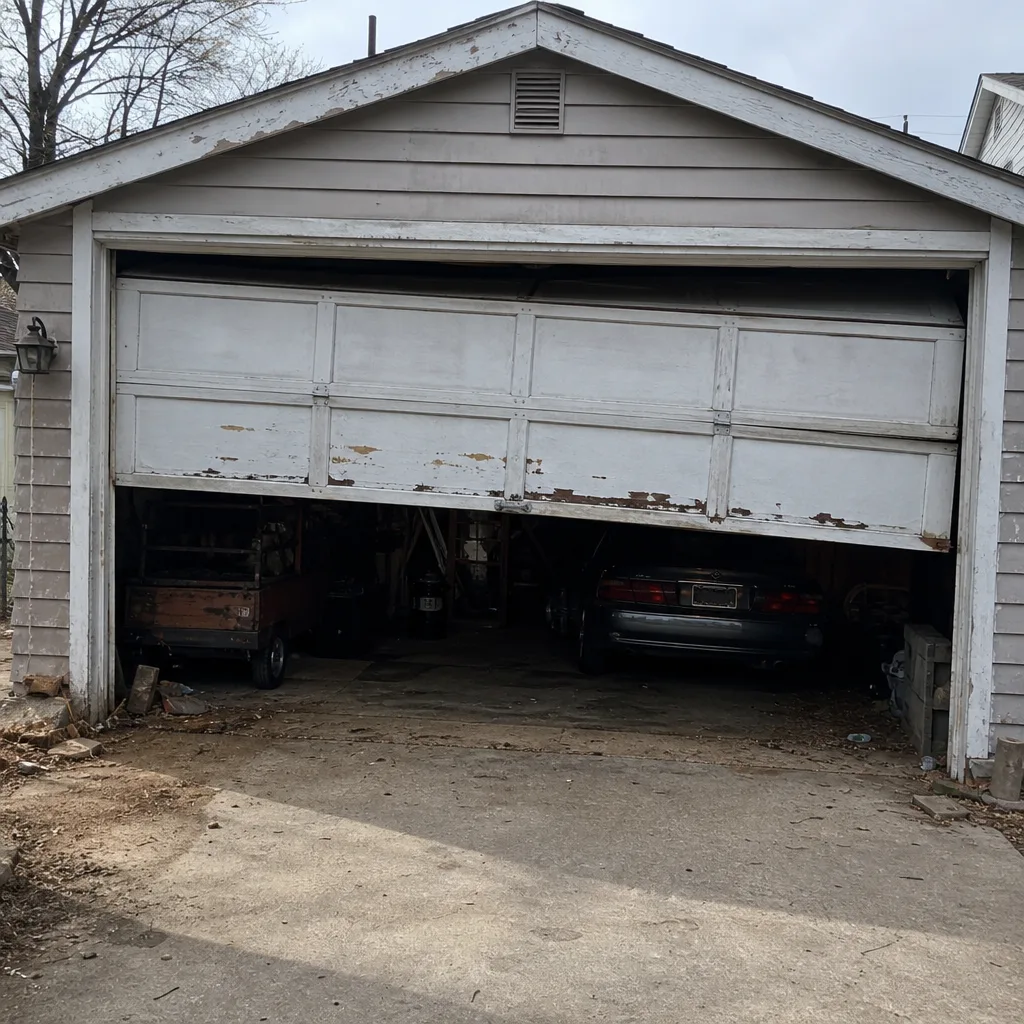 Before
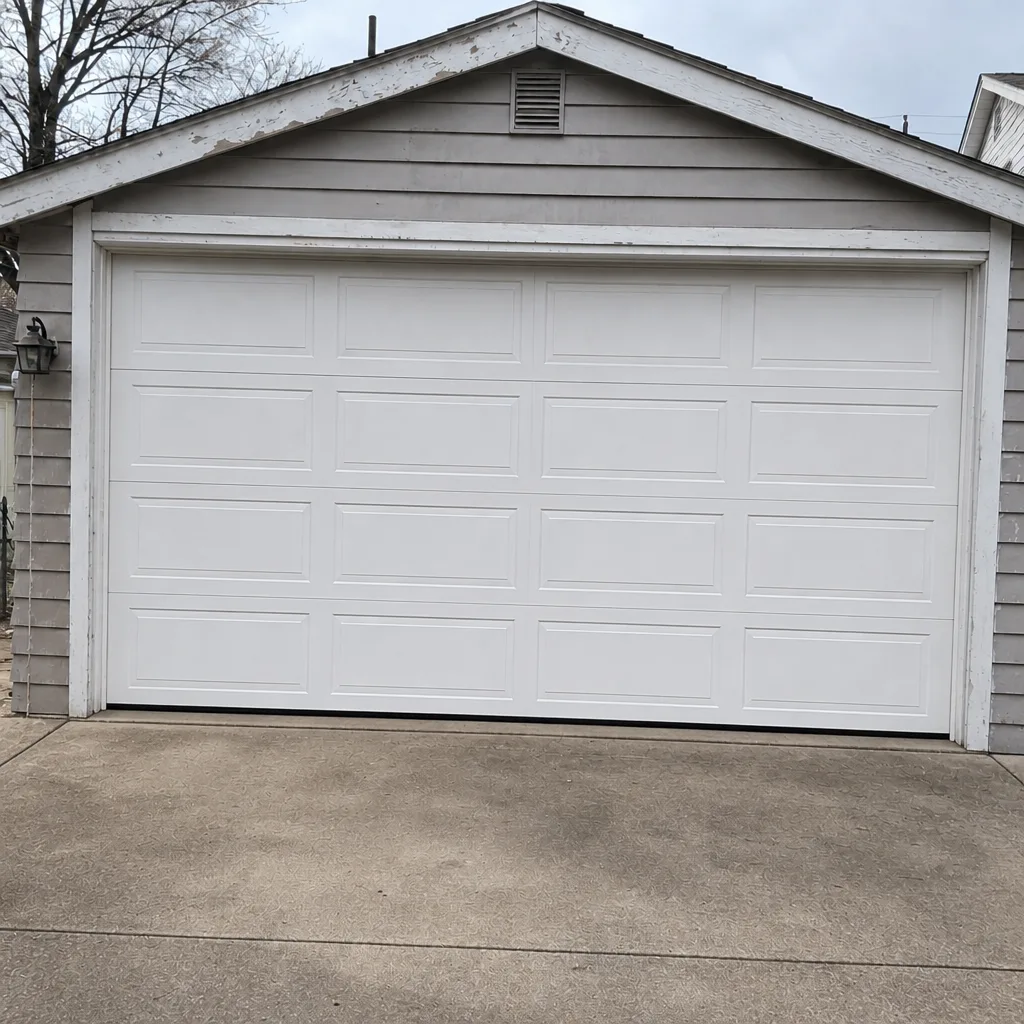 After
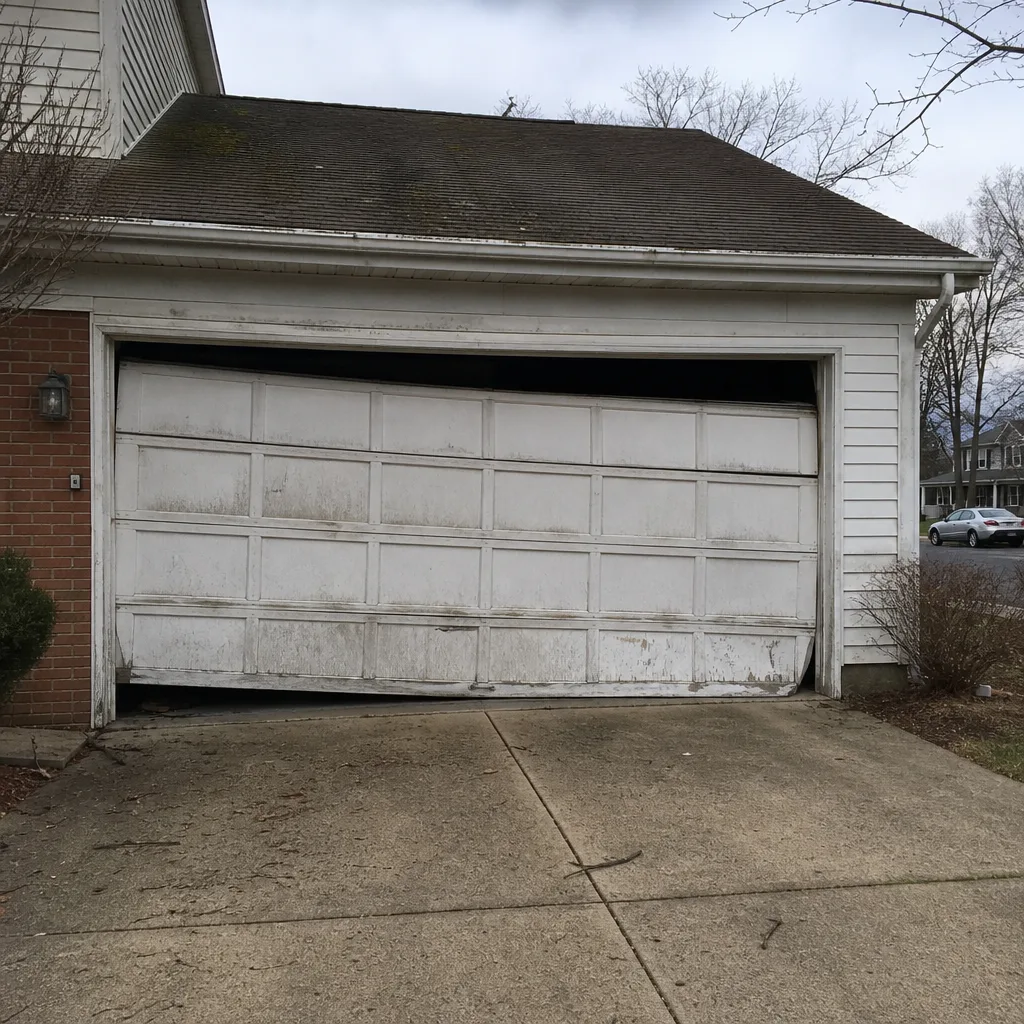 Before
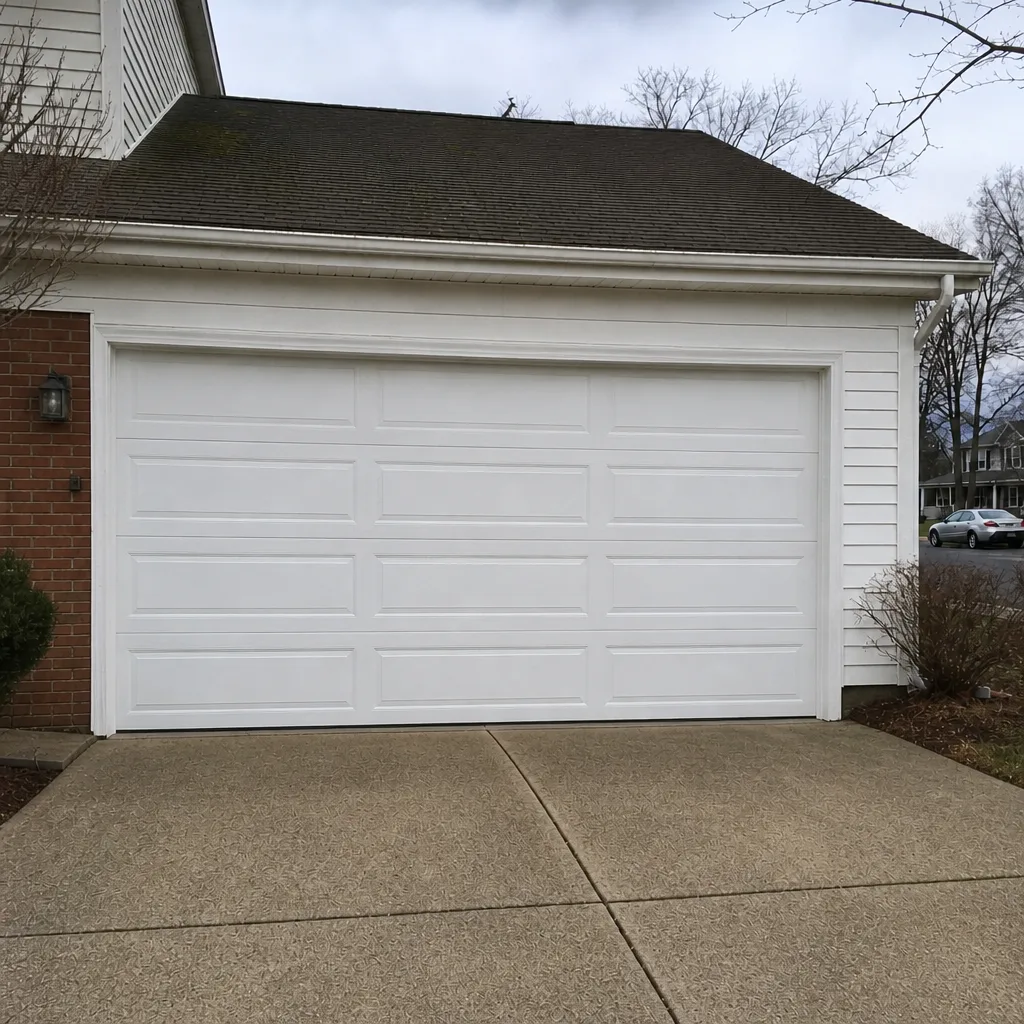 After
When to Call a Professional
Call a professional if you find a broken spring, a frayed or tangled cable, a bent track, a door that won’t balance, or an opener that runs but the door doesn’t move. Those are the situations where the fix is either dangerous to attempt or requires the diagnostic read a specialist brings to a specific brand. If your door is making new noises or has drifted on the balance test, that’s also a good time to book an inspection before it becomes a repair. Greenville Garage Door Repair Pros offers free estimates in Greenville – call (855) 706-3964. Same-day service and a free estimate on repair calls mean a symptom caught this week doesn’t become a failure next month. For a full replacement, we’ll arrange a measure and a written quote.
Frequently Asked Questions
Use a dry silicone spray on nylon rollers and a lithium or white grease on steel rollers and hinges. Never use WD-40 on rollers – it’s a solvent and can accelerate wear on nylon.
Test the balance monthly, and especially after the freeze-thaw swings of a Greenville winter. Disconnect the opener, lift the door by hand to waist height, and release – a balanced door holds, one that drifts needs a professional spring check.
Spring repair is quoted per spring, and a matched pair is usually replaced together, so a pair runs about twice a single-spring figure. The exact price depends on the door and the spring type, and the written estimate sets the final cost. Call (855) 706-3964 for an exact quote – estimates are free.
We offer dedicated emergency garage door service for exactly that situation, so call (855) 706-3964 and we’ll arrange the soonest available repair. If a spring has broken, don’t keep running the opener – it adds strain and can damage the door further.
The written estimate sets the price before any work starts. What you see on the estimate is what you pay, unless you approve a change yourself. Call (855) 706-3964 to book a free estimate.
You can lightly lubricate the springs from the ground with the door closed, but leave the tracks alone. Tracks should stay dry; wiping them with a cloth is the only routine care they need.
Cold thickens the grease and makes the door feel heavier, so a sluggish January door is often a sign the springs are worn. If the door drags, don’t force it – book an inspection instead.
The local pro we connect you with is licensed and insured as the state requires. Our team focuses entirely on garage doors, so you’re not calling a general contractor who also does doors.
The Bottom Line
A maintenance checklist works when it tells you what to look for. Check the balance and safety reverse monthly, use silicone on the rollers and grease on the hinges, never WD-40, and log what you see. Watch the thresholds – a quarter-inch spring gap, three broken cable strands, a door that drifts on the balance test – and call before they become failures. Springs and cables are pro work; everything else is within reach. Adjust the whole checklist to a Greenville season, and the door will keep working long after the noise from the last storm has faded.
If you want a baseline you can trust, Greenville Garage Door Repair Pros can look at your door and give you a clear read on what needs attention. Call (855) 706-3964 for a free estimate.
Written by the team at Greenville Garage Door Repair Pros.