Last updated November 21, 2026
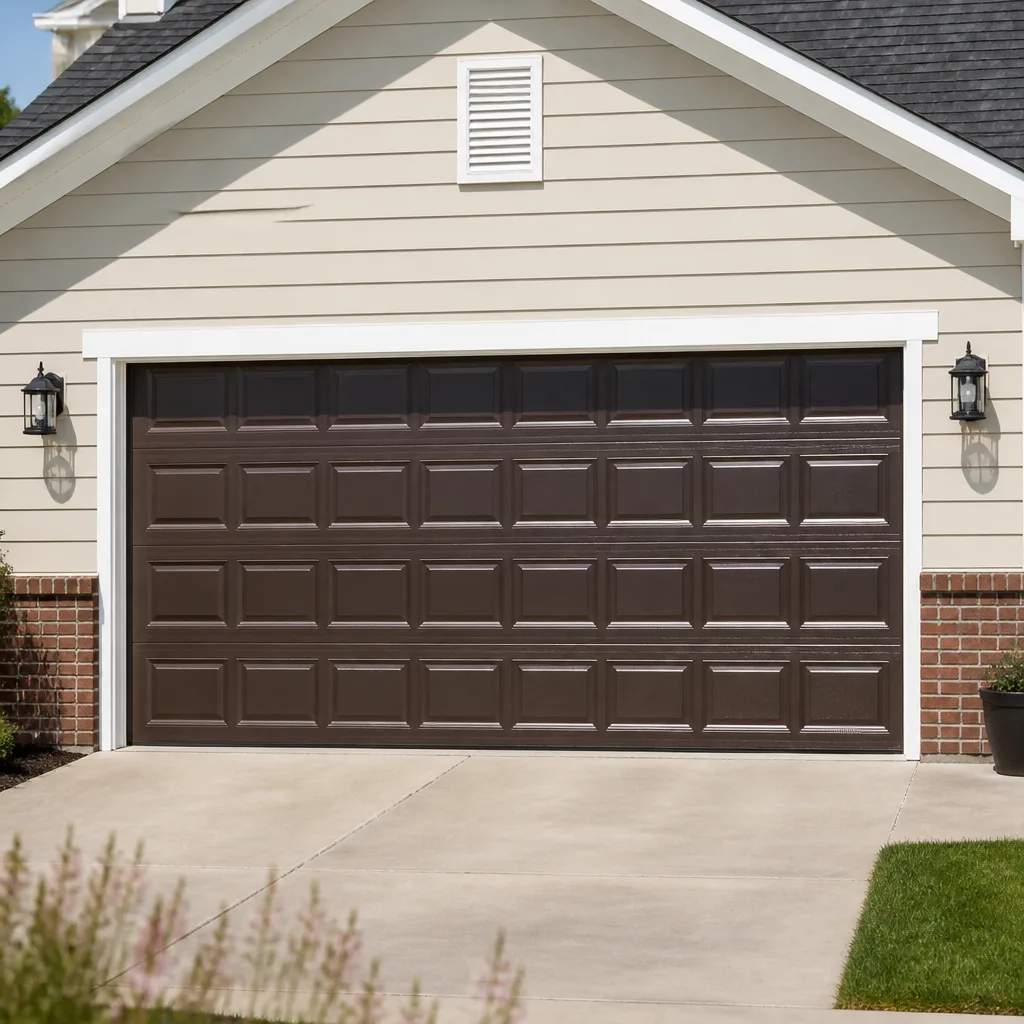 Raised-panel steel
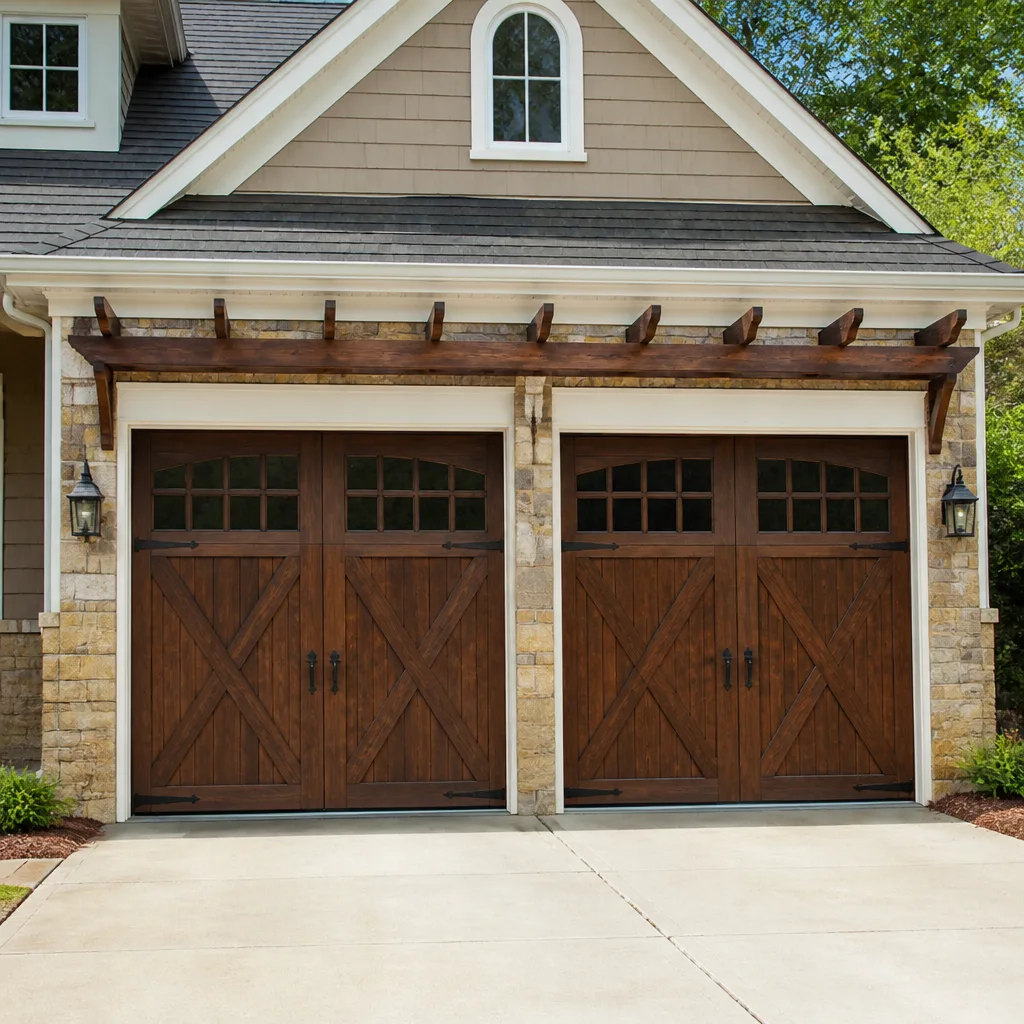 Carriage house
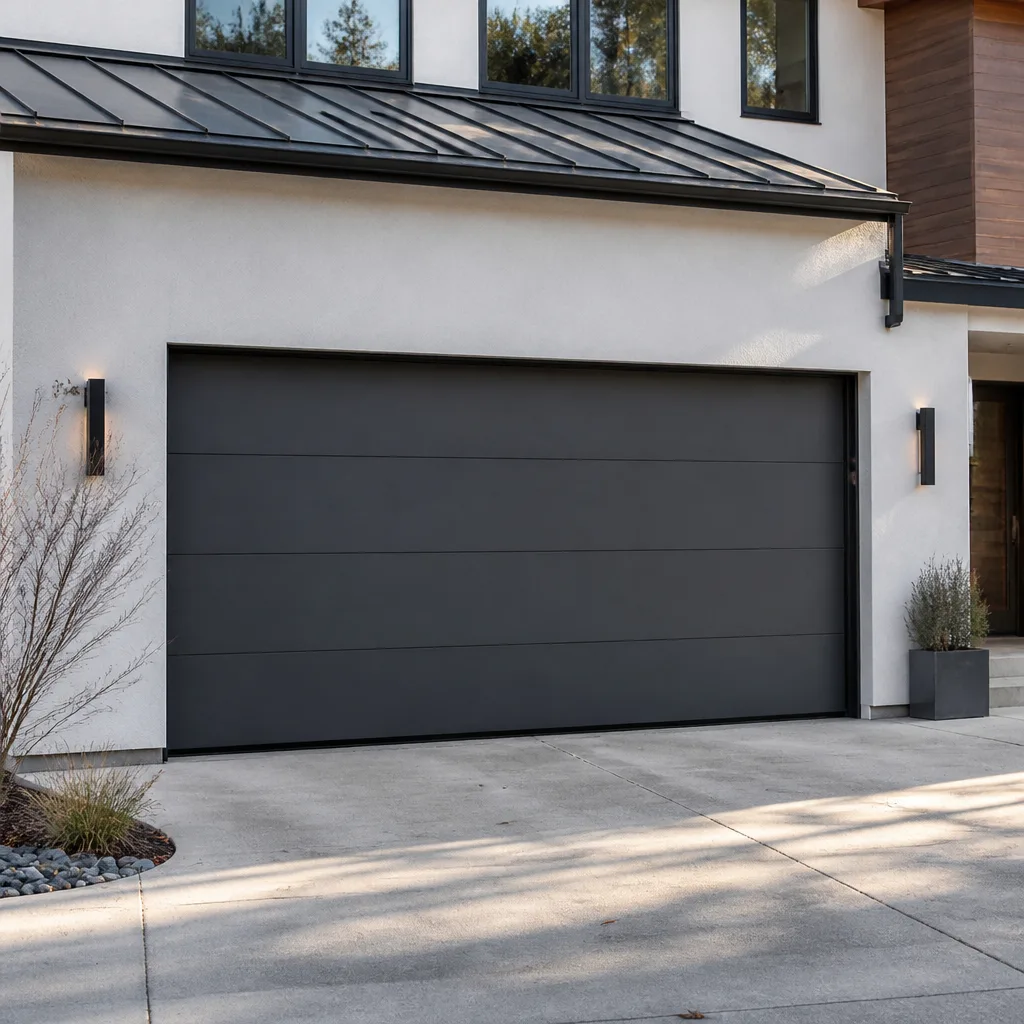 Modern flush
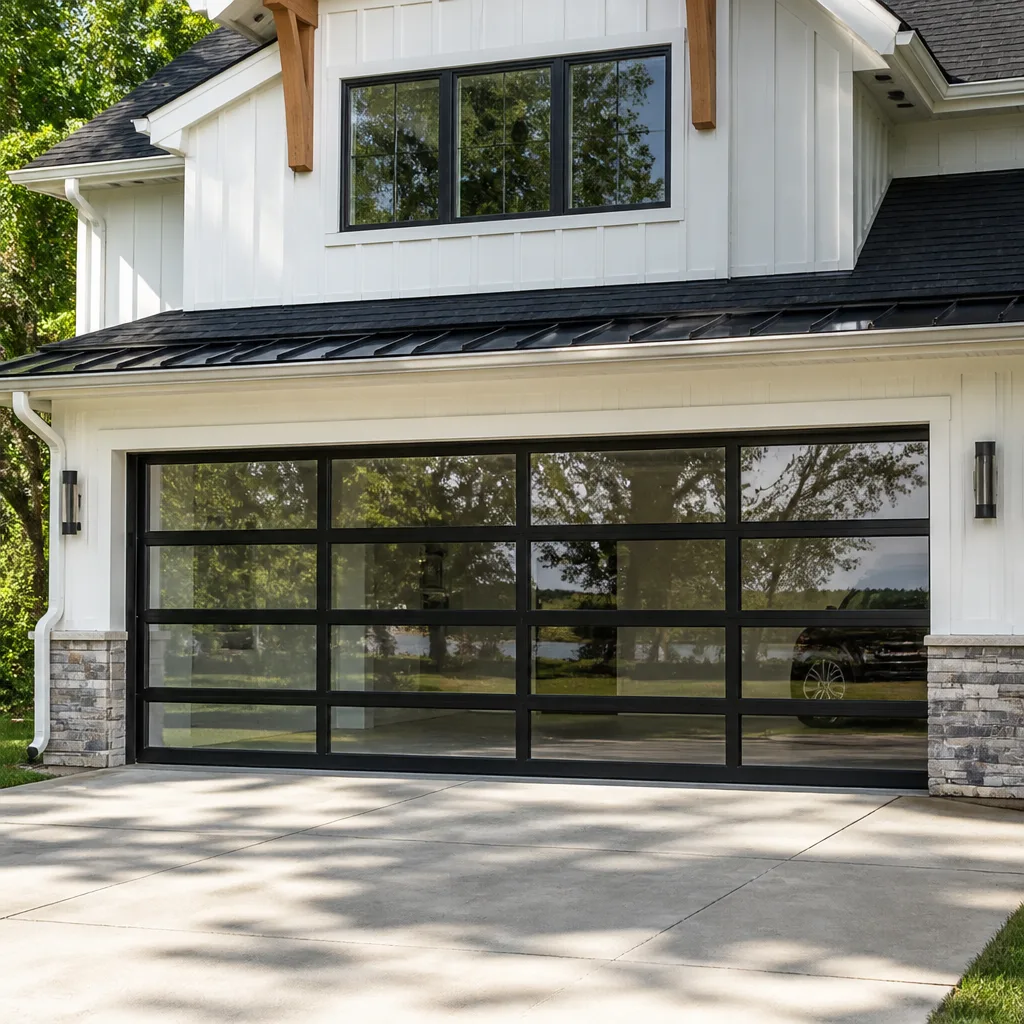 Full-view glass
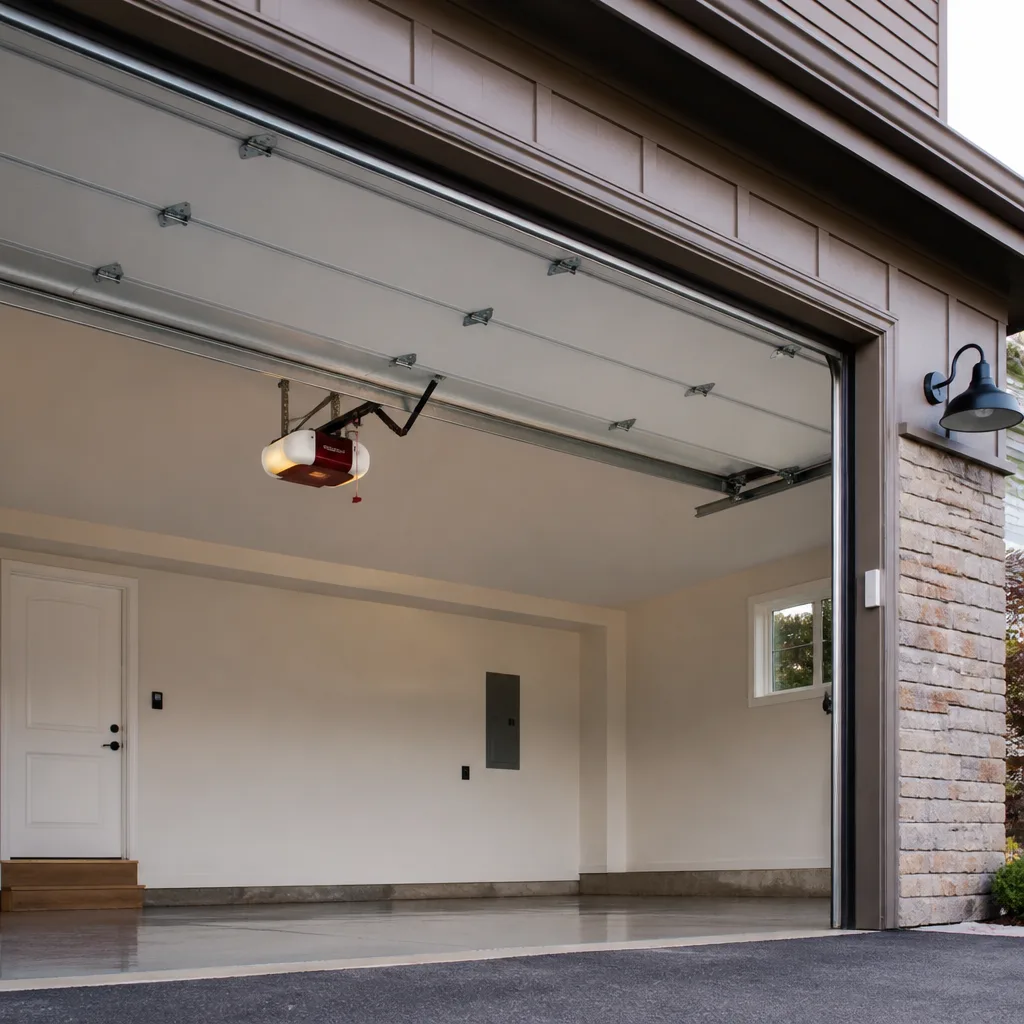 LiftMaster openers
 Chamberlain openers
Full 25-point door and opener safety check with every visit - springs, cables, rollers, tracks, and your LiftMaster or Chamberlain opener included
You get a price before we start. It does not change when the pro arrives.
Get your free estimateGarage Door Emergency Preparedness Guide for Greenville Homes
A broken spring doesn’t just inconvenience you. In a storm or a power outage, it can trap your car inside or leave your home’s largest entry point unsecured if you don’t know how to operate the manual release correctly. Here’s the part most homeowners miss: the majority of garage door emergencies we see aren’t random bad luck. They’re predictable failures, and they almost always land at the worst possible moment because the warning signs went ignored for weeks. This guide covers both sides of that equation – how to prevent the failure in the first place, and how to respond safely when one happens. We’ll walk through manual release mistakes, how to secure a door that won’t close, what actually warrants an emergency call, and why Greenville winters push garage door systems harder than any other season.
Quick Answer
Garage door emergencies usually come down to one of five failures: a snapped spring, a broken or off-track cable, a door stuck open or closed, a dead opener, or a panel that’s come loose. Handle power-outage and stuck-door situations by disengaging the opener and locking the door manually – never force the door. Anything involving a broken spring or a hanging cable needs a professional, same-day if your car is trapped or your home is exposed. Everything else can be scheduled, but should still be addressed within days rather than weeks. For urgent situations in Greenville, our team provides dedicated emergency garage door service.
Styles & brands we work with
- Raised-panel steel
- Carriage house
- Modern flush
- Full-view glass
- LiftMaster openers
- Chamberlain openers
Table of Contents
- Why Greenville Winters Cause the Most Garage Door Emergencies
- How to Use the Manual Release Correctly (And the Mistake That Ruins Cables)
- How to Temporarily Secure a Garage Door That Won’t Close
- The Emergency Call Decision Tree: What Can Wait and What Can’t
- Warning Signs You Should Never Ignore
- What to Have Ready When You Call for Emergency Service
- Winter Prep Checklist for November Through February
- Brand-Specific Notes for Opener and Door Owners
Why Greenville Winters Cause the Most Garage Door Emergencies
Cold is the single biggest stressor on a garage door system. Between November and February, the volume of emergency calls climbs sharply, and there’s a mechanical reason for it. Steel springs, torsion and extension alike, lose tension as temperatures drop. Lubricant thickens and stops doing its job. Metal components contract and shift. On an older door, a Greenville cold snap after a mild fall is often the exact moment a tired spring lets go – usually first thing in the morning, when the door is called on to open after sitting overnight in a cold garage.
The physics are straightforward. A torsion spring that’s been cycled thousands of times is already near the end of its service life. Cold weather doesn’t create the failure, it exposes it. That’s why the same door that worked fine in October can snap a spring in January without warning. It’s also why the fix isn’t just “replace the spring” – the reason it failed is the reason we inspect the whole system.
Greenville winters are cold enough to trigger this consistently, and older housing stock around town often still runs original or single-replacement springs past their safe range. Here’s what the cold season actually does to a system:
- Reduces torsion spring tension, increasing load on the opener and cables
- Thickens lubricant in the tracks, rollers and hinges
- Makes weather seals brittle, so the door starts binding against them
- Widens the gap between the door and floor as seals stiffen
- Exposes worn rollers and bearings as contraction changes alignment
You can’t stop winter from arriving in Greenville. You can absolutely stop it from catching you unprepared. That’s what the checklist later in this guide is for.
How to Use the Manual Release Correctly (And the Mistake That Ruins Cables)
Every garage door opener has a manual release – usually a red cord or handle hanging from the trolley that runs along the rail. The purpose is simple: it disengages the door from the opener so you can move the door by hand. The mistake homeowners make most often is pulling that cord while the door is open or halfway up. Do that and the door’s weight slams down under its own load, and if a spring is broken or weak, the door can free-fall and derail a cable in the process. That single move can turn a stuck door into a much bigger repair.
The safe way to use the release:
- Make sure the door is fully closed before you do anything.
- If a spring is broken or the door feels unusually heavy, do not disengage it – call a professional instead. The door’s full weight is riding on the cables at that point.
- Stand clear of the door’s path. The release sits near the opener rail, not the door face.
- Pull the release cord down and away from the door. You’ll feel the trolley detach.
- Lift the door slowly by hand. A healthy door lifts with modest effort and stays up on its own.
- If it feels heavy, unresponsive, or won’t stay open, stop and call for emergency service.
Once disengaged, the door operates manually until you re-engage the trolley. Most openers re-latch automatically the next time you run the opener, though some LiftMaster and Chamberlain units want the door pushed to the fully closed position first. Know which one you have before you need it. If the opener itself is dead and you’re not sure why, that may be a garage door opener repair issue rather than a door problem, and it’s worth a proper diagnosis.
If your door is a Craftsman or Raynor with an older trolley design, the release mechanism can stick after years of disuse. Test it once before winter arrives so you know how it behaves in a real outage. A two-minute test in October can save you a very long morning in January.
How to Temporarily Secure a Garage Door That Won’t Close
A door that won’t close is more than a mechanical nuisance. It’s an open doorway into your home. Whether the cause is a broken spring, a dead opener, or an off-track roller, you need a temporary way to secure the opening until a technician arrives, and you need it without making the situation worse.
Work in this order:
- Check the safety sensors first. A misaligned photo-eye stops most doors from closing. Look at the two sensors near the floor by the door track and see if the indicator light is blinking. Clear any obstruction and wipe the lenses clean with a dry cloth.
- Look for a physical obstruction. A stick, a toy, a leaf pile, even a loose threshold strip can stop the door.
- Try the wall switch. If the remote doesn’t work but the wall switch does, the issue is usually the remote or its batteries, not the door.
- If the door still won’t close, secure the opening. Manually lower the door as far as it will safely go and brace it with something solid across the inside face – a couple of stacked bins or a piece of lumber across the floor. Don’t try to force it flush.
- If the door won’t come down at all, secure the room. Lock the interior door from the garage into the house and move valuables out of the garage if you can.
- Call for emergency service. A door that won’t close after a spring failure is a genuine same-day situation.
What you should never do is try to muscle a jammed door down. A door with a broken torsion spring or a cable that has jumped its drum is under unpredictable load. Forcing it can bend panels, snap a hinge, or worse – a cable can whip loose with serious force. Springs and cables are the one part of this trade that genuinely injure people, which is why garage door repair on those components is a specialist job and not something we’d ever recommend doing yourself.
The Emergency Call Decision Tree: What Can Wait and What Can’t
Not every garage door problem is an emergency, and treating them all as one just costs you money and time. Here’s how we help Greenville homeowners triage the situation quickly. Read the condition, match it to the category, and act accordingly.
Call immediately – same-day service
- A broken torsion or extension spring. The door is unsafe and won’t open reliably. This is the number one emergency we get called for.
- A snapped or hanging cable. The door can drop without warning. Keep people and cars clear of it.
- A door stuck open, especially overnight or in bad weather. Your home is exposed.
- A door that won’t close and can’t be secured. Same reasoning.
- A door off its tracks or hanging unevenly. A fall risk with weight behind it.
- An opener that won’t respond at all when the garage is the only way you can get your car in or out.
Call the same day or the next morning
- An opener that runs but won’t lift the door. Usually an opener or spring issue, not always urgent, but worth a quick call.
- A single panel with cosmetic damage that isn’t affecting operation.
- Squealing, grinding, or popping noises. A sign something is about to fail, not something that’s already failed.
- A door that reverses before closing. Likely a sensor alignment issue you may be able to check yourself first.
Can wait for a scheduled visit
- A remote that stops working but the wall switch is fine. Usually a battery or remote pairing issue.
- A minor weather seal gap. Annoying, but not unsafe.
- Routine maintenance or an inspection. This is what prevents emergencies in the first place.
When in doubt, call. We’d rather talk through a non-emergency and tell you it can wait than have you sit on a broken cable. Emergency service is a core part of what we do, not an upsell.
Warning Signs You Should Never Ignore
The reason most emergencies feel sudden is that the early signs were there and got dismissed. Garage door systems telegraph failure well in advance. Learn the signals and you’ll almost always see the failure coming.
- The door feels heavy when you lift it by hand. A balanced door lifts easily. If yours doesn’t, the springs are losing tension.
- The opener strains or shudders when it starts. The opener is compensating for a spring that’s not doing its job.
- You can see a gap in the spring coil or a stretched spring. Extension springs especially – a gap means it’s on its way out.
- The door doesn’t open evenly. One side rises faster than the other, which points to cable or roller issues.
- Rollers look worn or cracked. Small, cheap fixes that prevent bigger damage.
- The door drifts down on its own. A spring is no longer holding the load.
- New noises. Grinding, banging, popping, or a new squeak you didn’t have last month.
Any one of these warrants a call. Two or more and you’re living on borrowed time. In our experience working on Greenville doors, the vast majority of emergency repair calls we handle trace back to a warning sign the homeowner noticed weeks earlier and didn’t realize was serious. A quick inspection catches most of these before they cost you a morning.
Worth noting: your garage door is your home’s largest moving part. It cycles thousands of times a year, and every cycle puts load on the springs, cables, rollers, and opener. Treat it like a system that wears, because it is one.
What to Have Ready When You Call for Emergency Service
The information you have ready when you call determines whether the first technician visit solves the problem or whether you’re waiting on a second trip for parts. This matters most in an emergency, when you’re already frustrated. Have these details on hand and the call takes two minutes.
- What happened, in plain terms. “I heard a loud bang and the door won’t open” tells us a lot. So does “it works from the wall switch but not the remote.”
- The door make and model, if you know it. Check the inside of the door panel – most manufacturers stamp or label it. Clopay, Amarr and Wayne Dalton doors are easy to identify this way.
- The opener brand. LiftMaster, Chamberlain, Genie, and Craftsman each have different controls and quirks. Knowing the brand helps us arrive with the right parts. We’re factory-familiar with these systems, so a brand name on the call shortens the diagnostic.
- The door size. Single-car or double-car, and roughly how tall.
- What you can and can’t do right now. Can the door open at all? Is your car trapped inside? Have you tried disengaging the opener?
- Your Greenville address and access notes. Which side the garage is on, whether there’s a gate, or anything else that helps us find you quickly.
- Any recent changes. New opener, recent power outage, a door that took a hit from a car or a storm.
The more you can tell us up front, the faster we can pin down the likely repair and bring the right parts the first time. If you’re not sure about a detail, leave it. A call with what you know beats a call you put off because you can’t find the manual.
Winter Prep Checklist for November Through February
The most effective emergency prevention you can do costs almost nothing and takes a single afternoon. Greenville winters hit the garage door system hard, and every year we spend November through February responding to failures that an hour of prep would have prevented. Here’s the checklist.
- Lubricate the moving parts. Use a garage door lubricant, not general-purpose grease, on the springs, hinges, rollers and bearings. Do this before the first hard freeze.
- Inspect the springs by eye. Look for gaps, stretched coils, or visible rust. If you see anything off, have it checked professionally.
- Test the manual release. Pull the release cord, lift the door by hand to confirm it’s balanced, then re-engage. If it’s heavy, call us.
- Check the safety sensors. Wipe the lenses and confirm both indicator lights are solid. Realign if needed.
- Look at the weather seal. A cracked or compressed seal lets cold air in and stresses the door. Replace it if it’s brittle.
- Tighten the hardware. Check the brackets, hinges and track bolts for looseness by hand. Loose hardware accelerates wear.
- Test the auto-reverse. Place a block of wood flat on the floor in the door’s path and close the door. It should reverse on contact. If it doesn’t, that’s a safety issue worth a service call.
- Clear the track. Sweep out debris that’s worked into the tracks over the fall.
Do this in October or early November, before the first cold snap, and you’ll enter winter with confidence instead of guesswork. And if a new door is genuinely on the horizon, an garage door installation in the off-season tends to be smoother than one during peak emergency weeks – our team handles the full lifecycle, from a single spring repair to a complete new door.
Brand-Specific Notes for Opener and Door Owners
One of the things that makes garage door repair harder than it looks is that every brand has its own quirks. We’re factory-familiar with the major names – LiftMaster, Chamberlain, Genie, Clopay, Amarr, Wayne Dalton, Craftsman, and Raynor – and knowing the brand on a call speeds up diagnosis and parts planning considerably.
On the opener side, LiftMaster and Chamberlain (which share the myQ ecosystem) have their own diagnostic codes and safety sensor behavior. Recent models tend to have clearer error indicators, which makes a fast diagnosis easier. Older Craftsman and Genie units vary more, and the same symptom can mean different things depending on the model. On the door side, Clopay, Amarr, and Wayne Dalton panels are easy to identify by their interior labels, which helps when we need to order replacement panels or sections.
The point isn’t to memorize brand quirks. It’s to know your brand so you can tell us on the call. That’s often the difference between a one-visit repair and a second appointment. Whatever brand you have, we work on it, and we approach the system as a whole rather than swapping one part and leaving the root cause in place.
Common Mistakes to Avoid
- Pulling the manual release while the door is open. The door free-falls and can derail a cable. Always disengage with the door fully closed, and never with the door under spring load.
- Forcing a stuck door up or down. A door with a broken spring or cable can bend a panel, snap a hinge, or send a cable flying. If it won’t move with gentle effort, stop and call.
- Ignoring a new noise for weeks. Grinding or popping is your system telling you something is wearing. In Greenville, that warning usually gets worse when the first cold snap hits.
- Trying to replace a torsion spring yourself. It’s the single most dangerous garage door repair. Trained technicians handle this with proper tools and technique, and it’s not a project for a homeowner with a ladder.
- Assuming a dead remote means a dead opener. Most of the time it’s the remote, the battery, or a sensor issue. Test the wall switch before you panic.
- Waiting until the door fails outright to call. A quick inspection catches most failures before they happen, which costs you less than an emergency.
- Skipping the winter prep checklist. Greenville winters are the peak season for emergency calls, and the checklist is the cheapest insurance against a morning spent trapped in the driveway.
See the difference
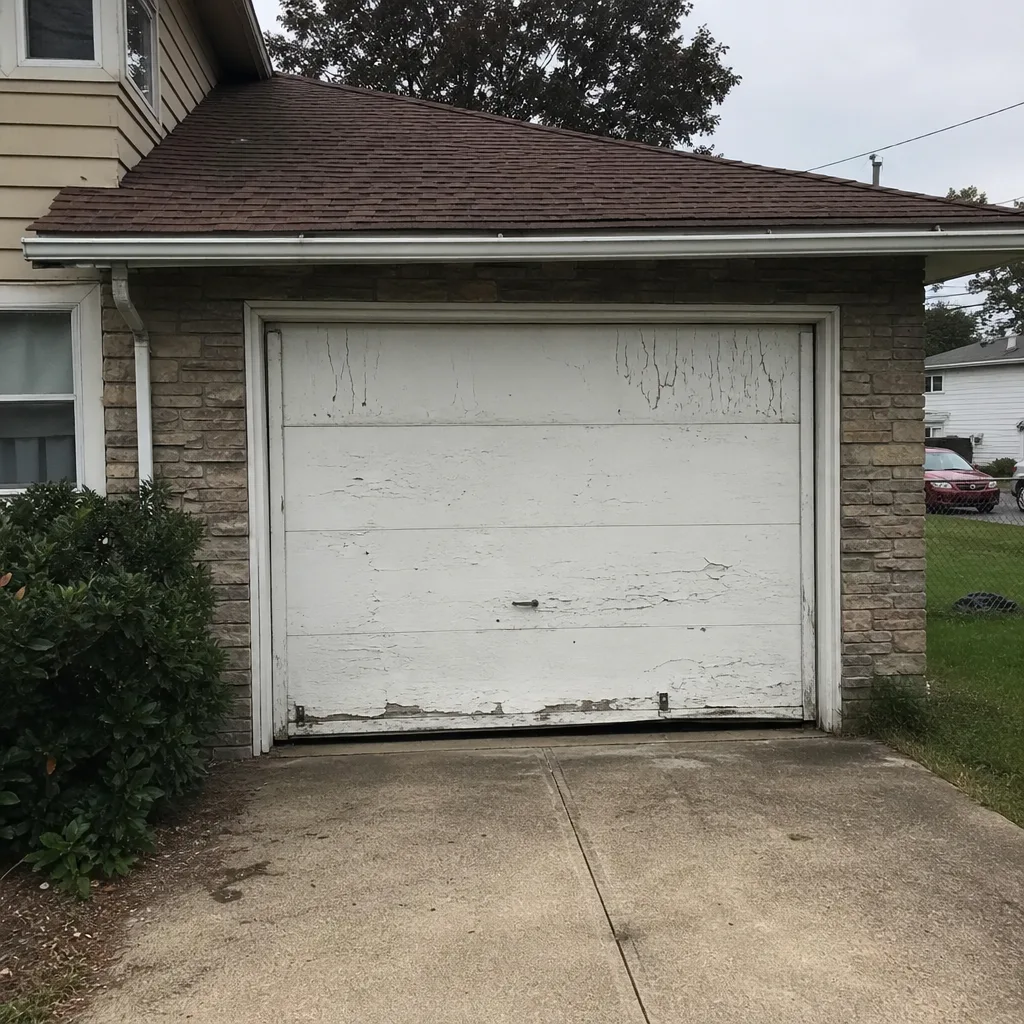 Before
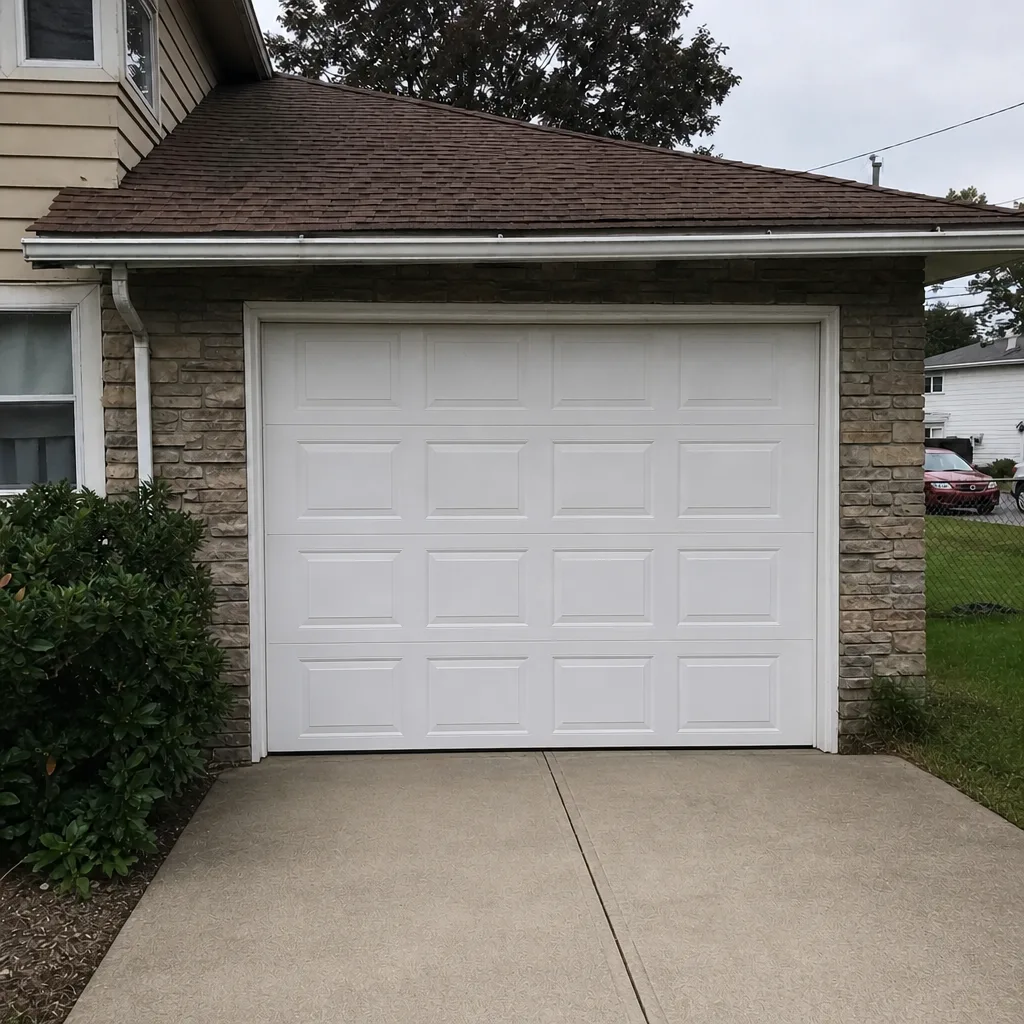 After
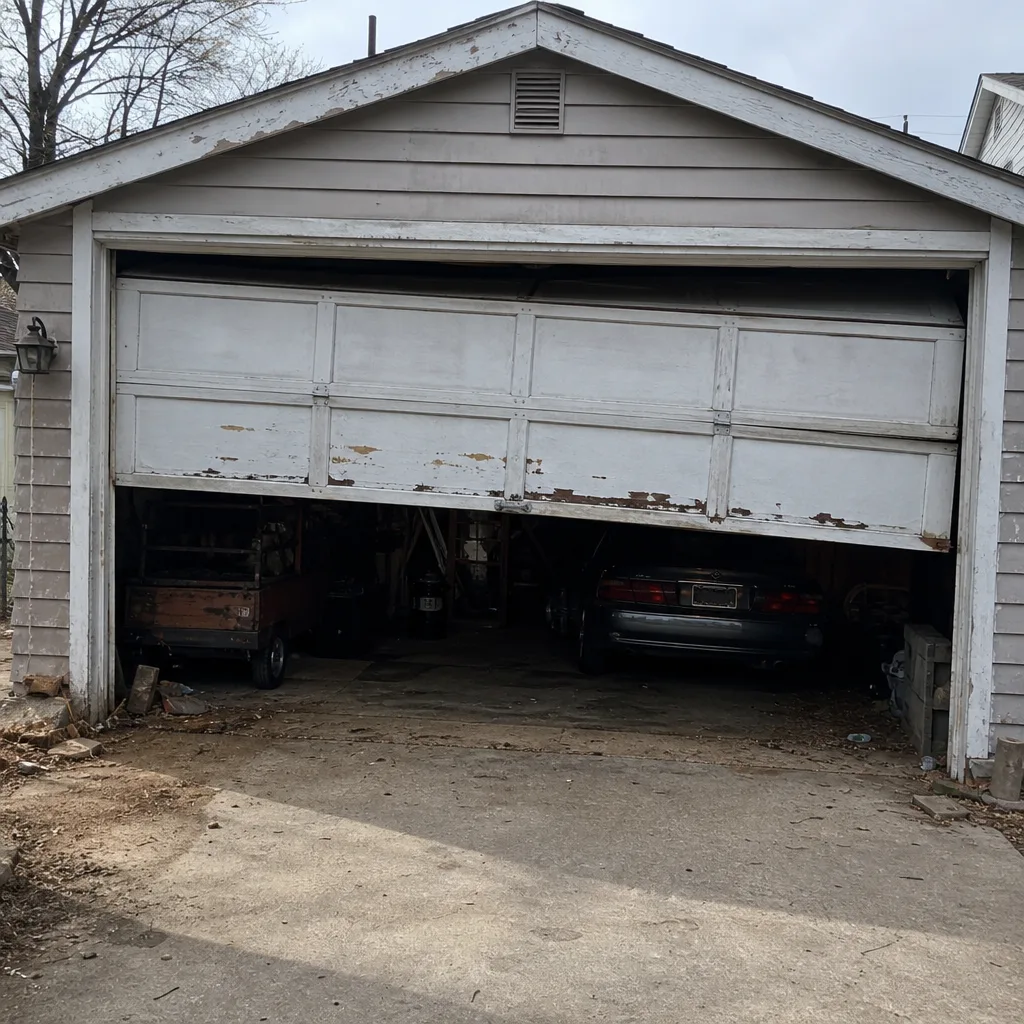 Before
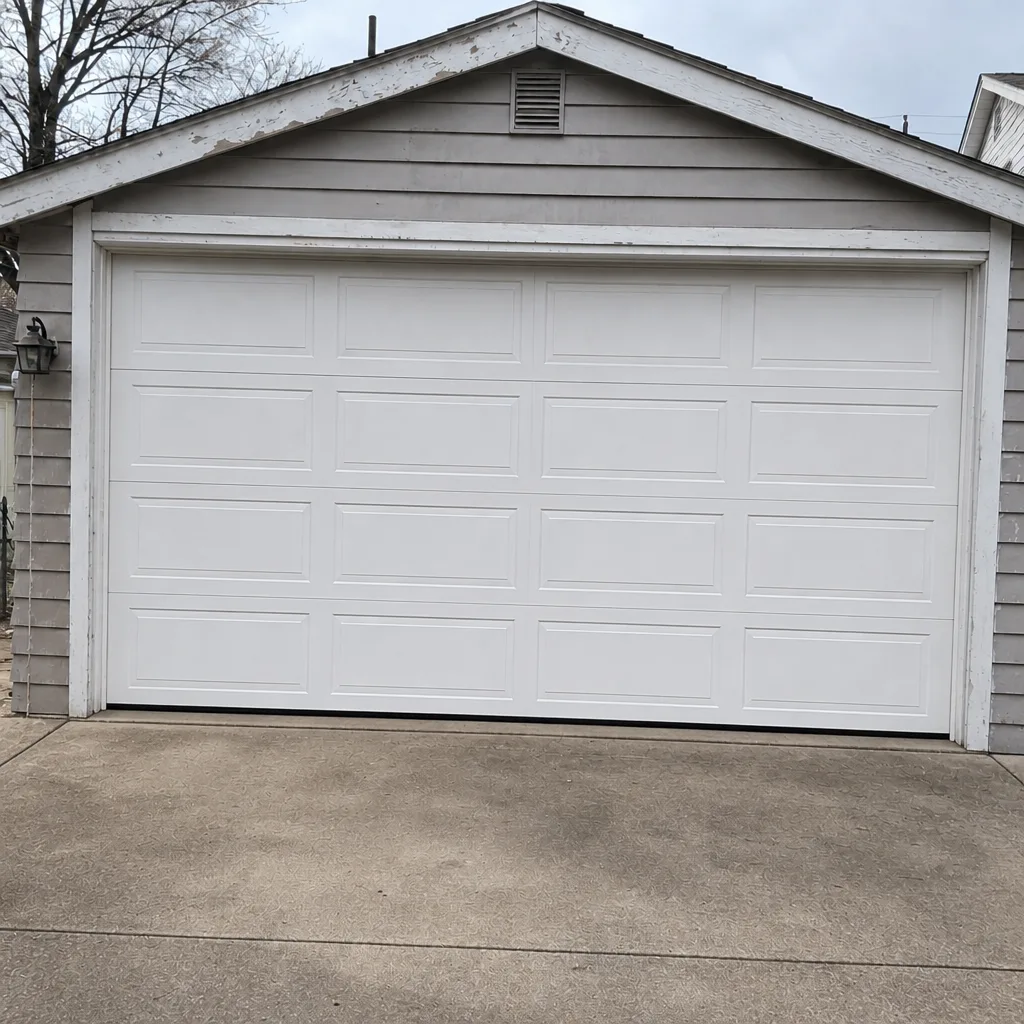 After
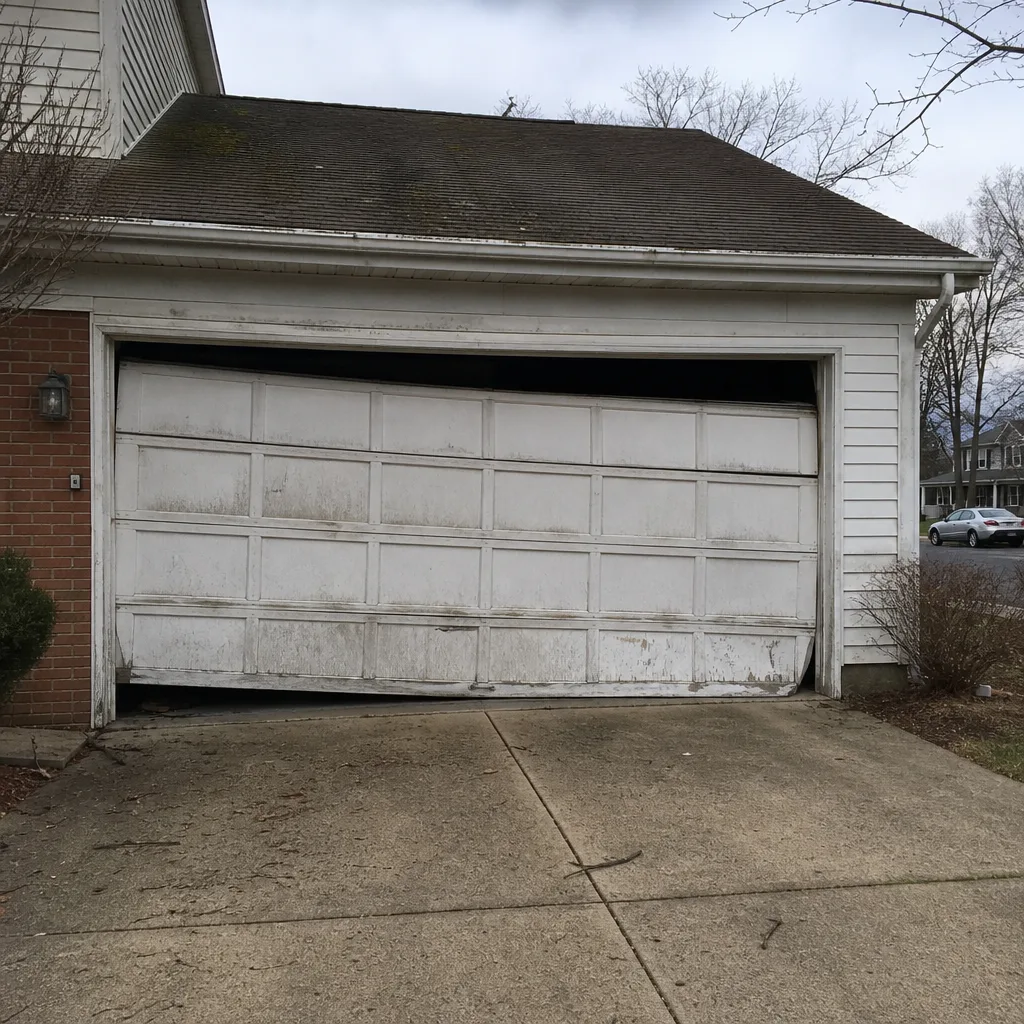 Before
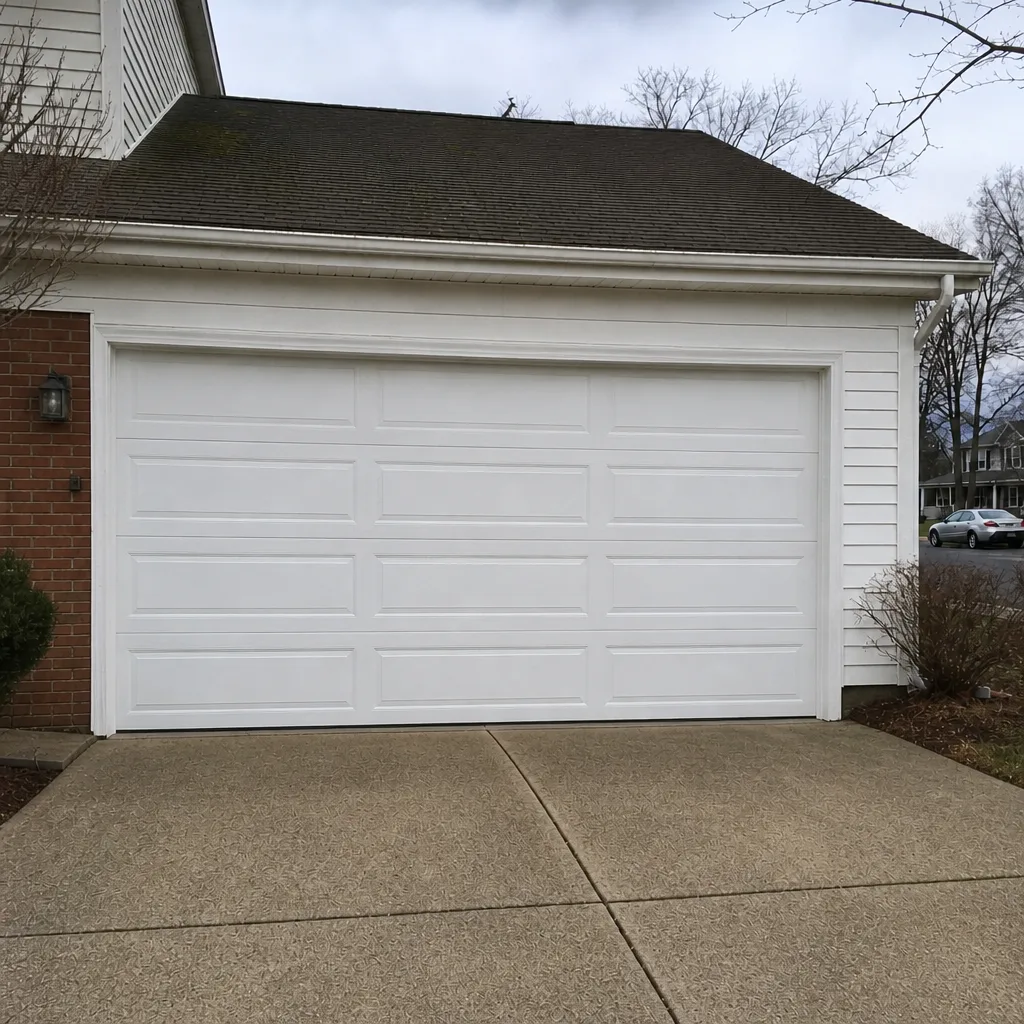 After
When to Call a Professional
Call a professional any time the problem involves a spring, cable, or the door’s balance or alignment. Those are the high-risk components, and a trained technician should be the one working on them. Call for an opener that won’t respond, a door that won’t close, panels that are off-track or hanging, and any noise that suggests something is failing. Call when your garage is your only way to get your car out and the door won’t move. And call for a routine inspection if you’ve noticed warning signs but nothing has failed yet – the cheapest repair is the one you prevent. Greenville Garage Door Repair Pros offers free estimates in Greenville – call (855) 706-3964.
Our technicians have up to 11 years of experience, and our single-trade focus means we’re not splitting attention across unrelated home services. For urgent situations, we provide dedicated emergency garage door service, and for non-urgent work, we’ll get you a written estimate and schedule around your week.
Frequently Asked Questions
Spring replacement is typically quoted per spring, and a matched pair costs about twice the single-spring price because both springs are usually replaced together. Opener repairs, cable repairs, and panel fixes are each quoted separately once we’ve diagnosed the issue. The written estimate sets the final price, and we always quote before any work starts. Call (855) 706-3964 for an exact quote – estimates are free.
Yes, same-day emergency service is available for urgent situations like a broken spring or a door stuck open. Our emergency response is a core offering, not an upsell. For installations and routine repairs we schedule a free measure and a written price instead. Call (855) 706-3964 to check availability.
No. We diagnose the issue, quote the repair in writing, and only start work once you’ve agreed to the price. If we discover something new during the repair that changes the scope, we stop and re-quote with you before proceeding. The written estimate sets the final price. Call (855) 706-3964 to schedule.
The local professionals we connect you with are licensed and insured as required by the state. Our technicians have up to 11 years of experience, and spring repair in particular is a specialist job, not a general handyman task. If you have questions about credentials before booking, call (855) 706-3964 and we’ll walk you through it.
Yes, using the manual release – but only with the door fully closed. Disengage the trolley with the door down, then lift by hand. If the door feels heavy or a spring is broken, don’t disengage it; call for service. The most common mistake that damages a cable is pulling the release while the door is open or partly up.
Secure the opening first, then call for emergency service. Manually lower the door as far as it will safely go and brace it with something solid across the inside face. Don’t force it. A door that won’t close after a spring failure is a genuine same-day emergency because your home is exposed. Call (855) 706-3964 for emergency service in Greenville.
The Bottom Line
Most garage door emergencies are predictable. The warning signs show up weeks in advance, the cold weather exposes weakness that was already there, and the same handful of failures keep happening – broken springs, snapped cables, dead openers, doors stuck open or closed. Prevention is cheap: lubricate in the fall, test the manual release, check the springs and sensors, and call when something looks off. Response is what matters when the failure happens anyway – know how to use the manual release correctly, know how to secure a door that won’t close, and know which situations warrant a same-day call. Both halves of this guide exist to keep you out of trouble in a Greenville winter.
If you’re facing a broken spring, a door that won’t close, or an opener that’s died on you, the fastest path to a working door is to call us. We’re a 100% garage door specialist, we handle everything from opener to panel to spring, and we work on the brand you own. Whether you need emergency service today or a scheduled inspection to prevent the next one, Greenville Garage Door Repair Pros can help.
Call (855) 706-3964 for a free estimate and get your garage door back in working order. We’ll diagnose the problem, quote the repair in writing, and get you scheduled.
Written by the team at Greenville Garage Door Repair Pros.